Oscar Robertson’s Financial Success & NBA Record
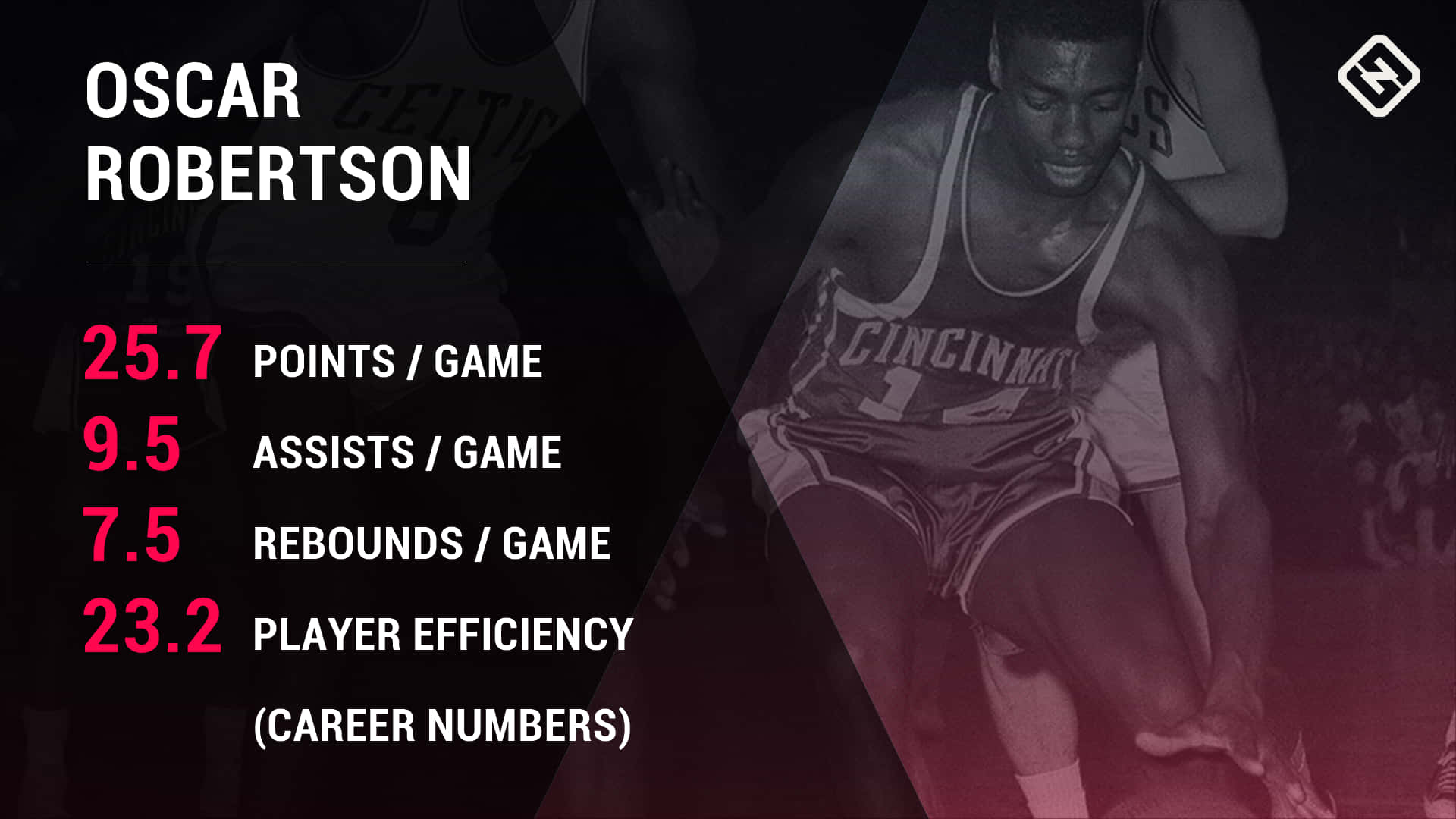
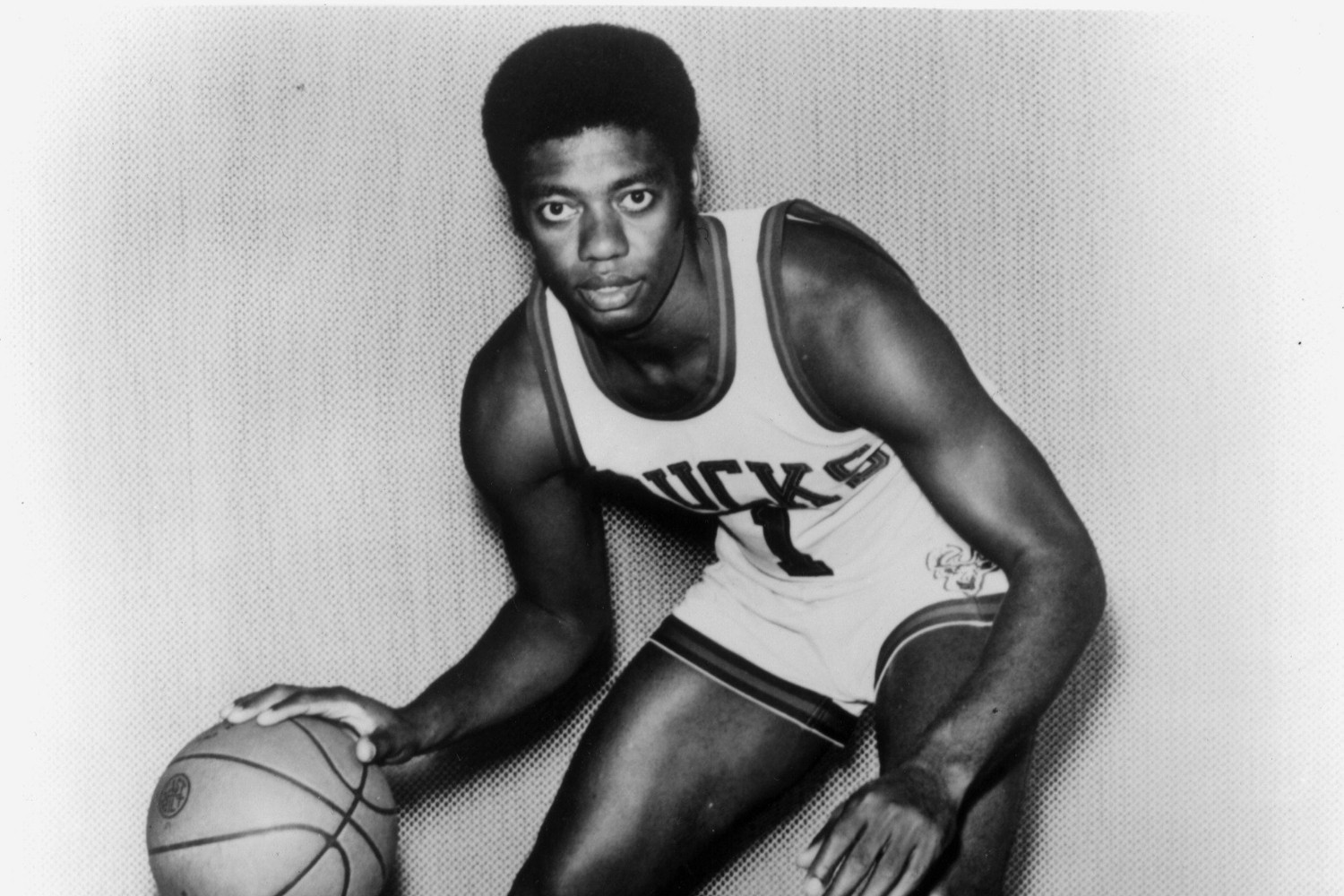
When basketball fans discuss Oscar Robertson, the conversation usually centers on his legendary triple-double record, his smooth jumper, and his dominance in the 1960s with the Cincinnati Royals and Milwaukee Bucks. However, "The Big O" made an equally profound impact off the court. Oscar Robertson’s financial success: how his net worth broked NBA records—both through his pioneering legal battles that changed professional sports forever and his savvy post-retirement investments—remains one of the most compelling stories in sports economics.

The Economic Reality of the 1960s NBA
To understand the magnitude of Robertson’s financial achievements, you must look at the era in which he played. Modern NBA superstars routinely sign contracts exceeding $200 million, backed by massive television deals and global merchandise sales. In contrast, Robertson played during an era when professional basketball was a fringe entertainment product.
Players in the 1960s earned modest salaries, lacked robust pension plans, and had no free agency. Team owners held absolute control over player movement through the infamous "reserve clause," which bound a player to a single franchise indefinitely unless he was traded or sold. Endorsement opportunities were sparse, and top-tier athletes frequently worked offseason jobs just to maintain a comfortable standard of living.
Robertson v. National Basketball Association: The Ultimate Legal Victory
Robertson’s most significant contribution to financial success—not just for himself, but for generations of professional athletes—did not happen in the box score. As the president of the National Basketball Players Association (NBPA), Robertson spearheaded a monumental antitrust lawsuit against the NBA in 1970.
Breaking the Reserve Clause
The lawsuit, known as Robertson v. National Basketball Association, aimed to block a proposed merger between the NBA and the American Basketball Association (ABA) and dismantle the restrictive reserve system. Owners fought fiercely to maintain their monopoly power, dragging the legal battle out for six years.
Ultimately, the lawsuit resulted in a landmark settlement in 1976. The resolution yielded two massive victories for labor:
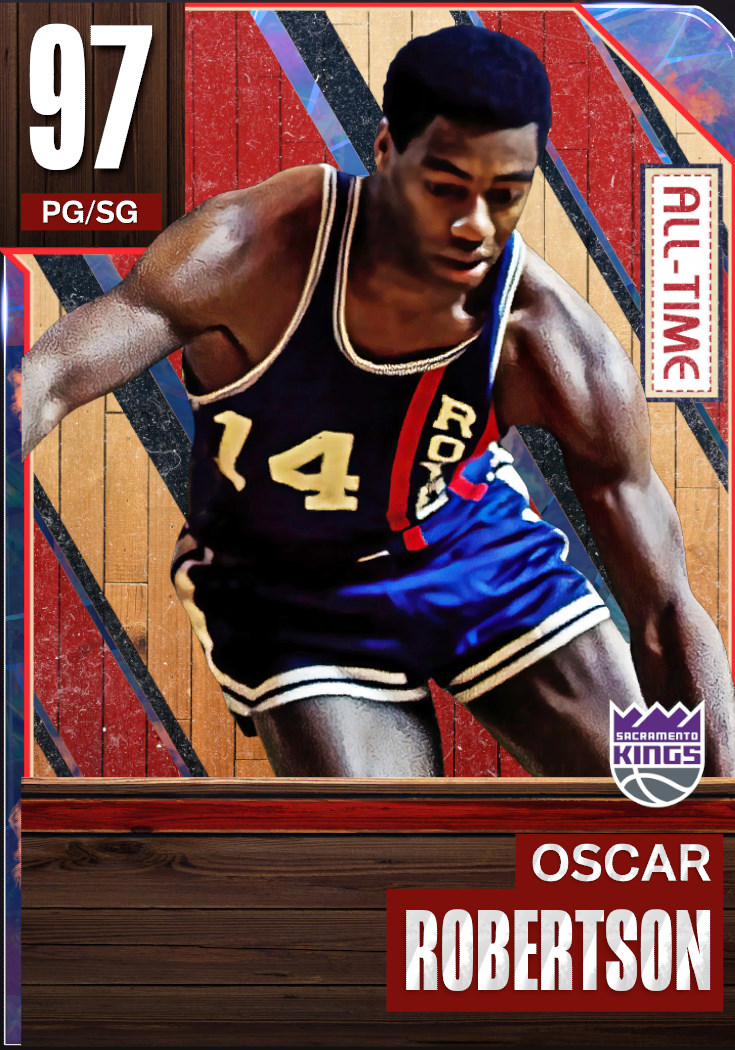
Video: The Lifestyle Of Oscar Robertson 2025!! Wife, Age, Kids, Houses, Cars, Biography And Net Worth
- The Birth of Free Agency: Players gained the right to sell their services to the highest bidder upon the expiration of their contracts.
- College Draft Reform: The terms governing how teams drafted amateur players were significantly liberalized, curbing unchecked owner leverage.
By breaking the reserve clause, Robertson directly unlocked the exponential salary growth that defines the modern NBA, cementing his status as a financial trailblazer.
Building Wealth Beyond the Hardwood
While playing salaries during Robertson's era were low compared to today, his business acumen allowed him to build a substantial net worth during and after his playing career. Estimated today to be in the range of tens of millions of dollars, Robertson’s fortune stems from strategic entrepreneurship.
Early Entrepreneurship in Real Estate and Industry
Long before current athletes launched venture capital funds, Robertson recognized the importance of economic self-sufficiency. During his playing days and immediately following his retirement in 1974, he invested heavily in real estate and chemical manufacturing.
In 1981, Robertson founded Orchem, a chemical manufacturing company based in Cincinnati, Ohio. Serving as CEO, he built a successful business enterprise that supplied cleaning chemicals and sanitation products to major corporations. This venture provided long-term revenue streams far outside the volatile sports industry, proving that his strategic mindset extended well beyond basketball strategy.
Legacy of Oscar Robertson’s Financial Success
Oscar Robertson’s financial journey serves as a bridge between the amateur-style era of early professional sports and the multibillion-dollar enterprise of today. He demonstrated that athletes could be more than just commodities for entertainment; they could be owners, executives, and architects of their own economic destinies.
Modern players like LeBron James, Stephen Curry, and Kevin Durant owe a direct debt of gratitude to The Big O. Without his courage in leading the NBPA through years of litigation, the current landscape of high-paying contracts, player empowerment, and generational wealth would simply not exist.