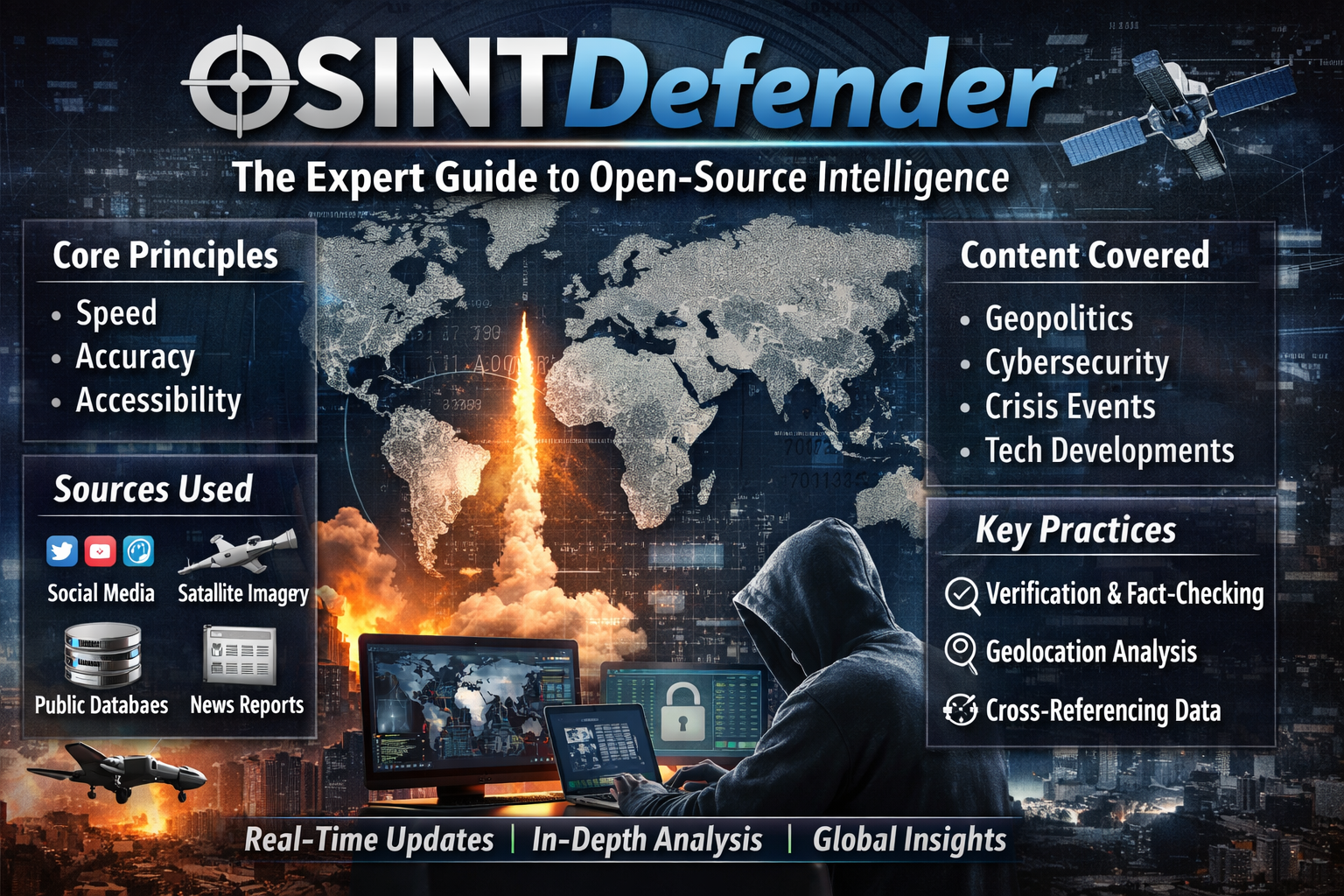
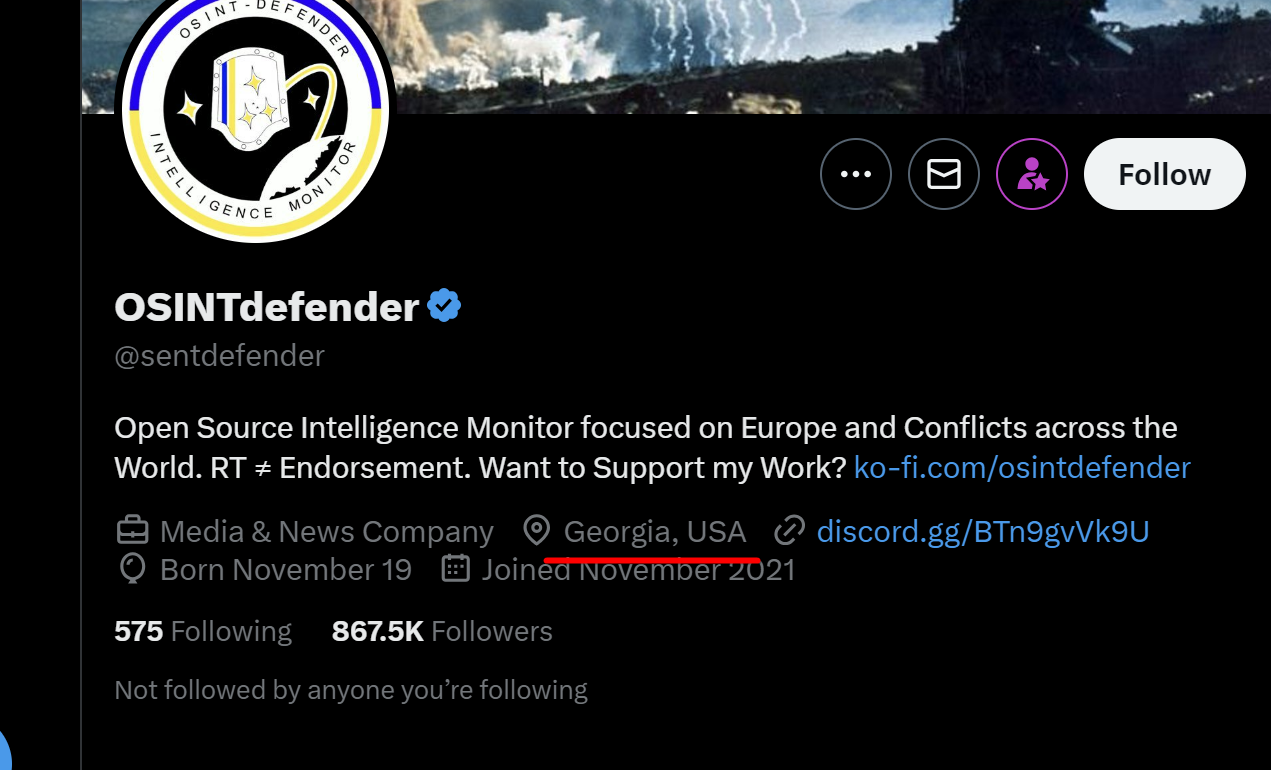
OSINT Defender Blocks Threats Before They Grow
The Warning Signs We Choose to Ignore
Every major cybersecurity incident or reputational crisis usually begins the same way: with a warning that someone dismissed. A strange credential leak on a fringe forum, a sudden spike in negative mentions, or an exposed database discovered by a security researcher. Security teams are perpetually overwhelmed, forcing them to triage active alerts while subtle precursor signals fade into the background noise of the internet.
This reactive cycle leaves organizations vulnerable to targeted attacks, data breaches, and coordinated disinformation campaigns. Waiting for an adversary to strike inside your perimeter is a losing strategy. That is why modern security operations are shifting away from defense-in-depth toward proactive threat hunting. When organizations implement proactive measures, **OSINT Defender blocks threats before they grow** into enterprise-level catastrophes.
Understanding the Power of Open-Source Intelligence
Open-source intelligence (OSINT) involves the collection, analysis, and dissemination of information gathered from public, openly available sources. Far from just searching Google, professional OSINT operations dive deep into the digital underground, public code repositories, social media graphs, dark web chatter, and specialized forums.
What Makes Up an OSINT Dataset?
Modern threat intelligence platforms aggregate vast oceans of unclassified, publicly accessible data. This includes:
- Surface Web: News outlets, public forums, corporate websites, and social media platforms.
- Deep Web: Databases, unindexed academic journals, and restricted-access public records.
- Technical Footprints: DNS records, SSL certificates, exposed API keys, and IP geolocation data.
- Paste Sites and Code Repositories: Developer platforms where source code or credentials are accidentally leaked.
When analyzed correctly, these disparate data points form a comprehensive mosaic of potential risk, giving defenders the foresight needed to neutralize threats long before execution.
How Threats Evade Traditional Security Tools
Traditional cybersecurity tools—such as endpoint detection and response (EDR) software, firewalls, and secure email gateways—are essential, but they suffer from a fundamental blind spot. They only look at traffic and devices operating within your direct network perimeter or endpoint estate.

Threat actors rarely launch attacks from thin air. Weeks or months before an intrusion, they conduct reconnaissance. They research your employees on LinkedIn, map your corporate infrastructure via public DNS tools, and purchase leaked employee passwords on underground markets. Because these activities happen outside your network, traditional perimeter defense tools remain entirely blind to them. Monitoring the external attack surface is the only way to catch these early warning indicators.
OSINT Defender in Action: Stopping Crises Early
Implementing an intelligence-led defense framework transforms security from a guessing game into a precise science. By continuously scanning public and deep-web spaces for indicators of compromise and targeting, organizations can disrupt threat lifecycles at the earliest possible stage.
Key Capabilities of Proactive Intelligence Platforms
Advanced intelligence platforms provide several distinct advantages to security and risk management teams:
- Credential Leak Monitoring: Instantly identifying when employee or executive login credentials appear on public paste sites or dark web markets, allowing for mandatory password resets before account takeover occurs.
- Infrastructure Mapping: Automatically discovering forgotten shadow IT assets, open cloud storage buckets, and vulnerable subdomains before malicious scanners find them.
- Brand and Executive Protection: Tracking fraudulent domains, phishing kits, and impersonation profiles designed to scam customers or target high-profile executives.
- Geopolitical and Physical Risk Awareness: Correlating physical security threats, protests, or supply chain disruptions with organizational assets in specific geographic regions.
By automating the collection and analysis of these vectors, security teams no longer have to chase ghosts. They can focus their limited resources on verifiable, high-priority vulnerabilities.
Building a Culture of Proactive Defense
Technology alone cannot solve the challenge of modern threat actors; organizations must also cultivate a proactive mindset. Security leaders need to bridge the gap between IT security, physical security, and corporate communications. When intelligence gathered from open sources is shared freely across departments, the entire organization becomes more resilient.
Stop waiting for the next alert to trigger an emergency response. By embracing external visibility, organizations can ensure that warning signs are never ignored again, securing their digital future against evolving threats.