Ouchi Hisashi: The Painful Truth About Radiation
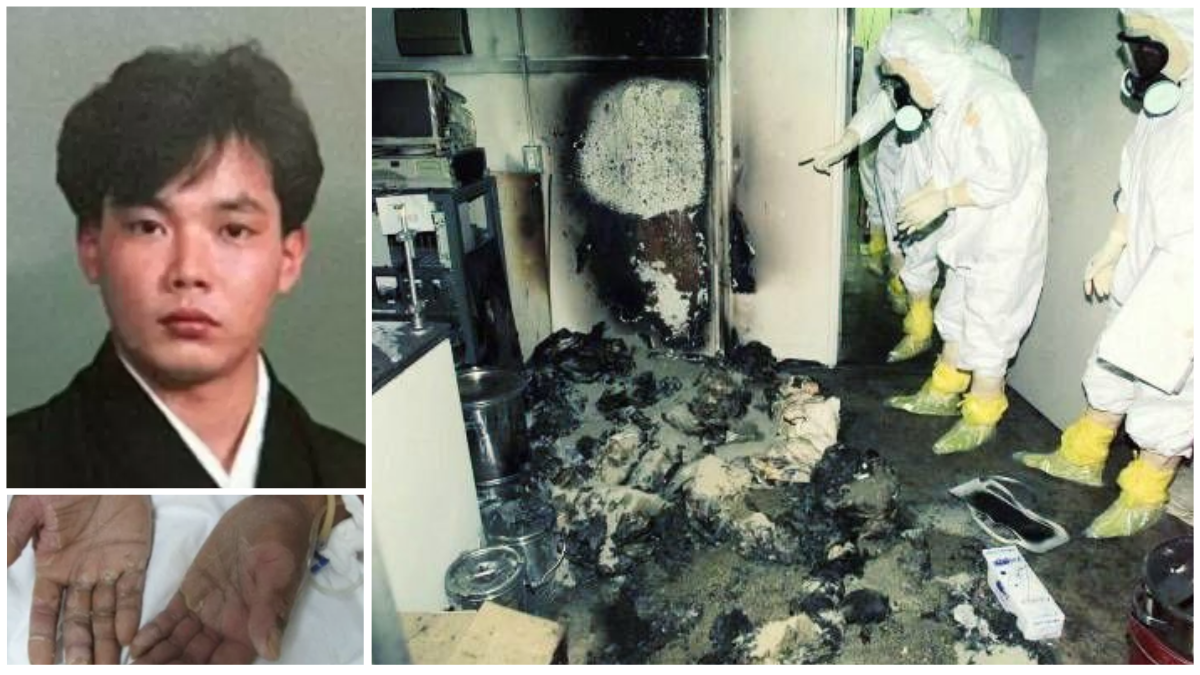
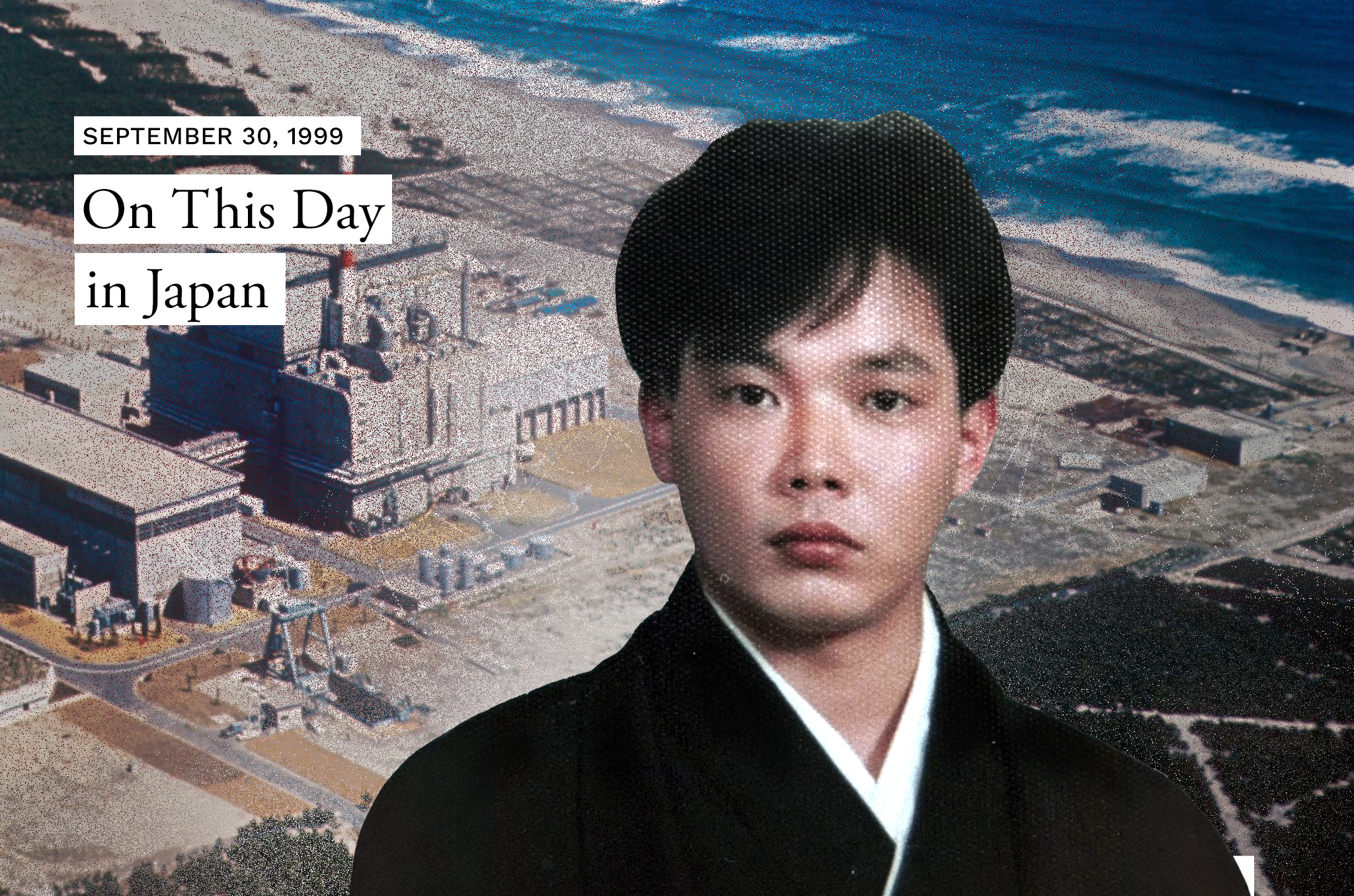
The name Ouchi Hisashi is permanently etched into the history of nuclear energy and medical ethics. As a technician at the Tokaimura nuclear fuel conversion facility in Japan, his life changed in a fraction of a second on September 30, 1999. Understanding the Ouchi Hisashi: The Painful Truth About Radiation Exposure requires looking past the sensationalized internet myths and examining the stark, documented realities of acute radiation syndrome (ARS).

The Tokaimura Criticality Accident
On the morning of September 30, 1999, Hisashi Ouchi, along with his colleague Masato Shinohara and supervisor Yutaka Yokokawa, was preparing fuel for an experimental fast breeder reactor. To save time, the workers bypassed standard procedures and mixed liquid uranium in a stainless steel bucket rather than using a proper dissolution tank.
Because of a massive miscalculation regarding the volume of uranium, the mixture reached critical mass. A blue flash of Cherenkov radiation illuminated the room, instantly triggering a self-sustaining nuclear fission chain reaction. Ouchi, who was leaning directly over the precipitation tank, received a catastrophic dose of radiation, estimated between 16 and 20 sieverts (Sv). For context, a dose of 8 Sv is generally considered fatal, and anything above 10 Sv causes irreversible damage to the central nervous system and gastrointestinal tract.
Immediate Hospitalization and Initial Treatment
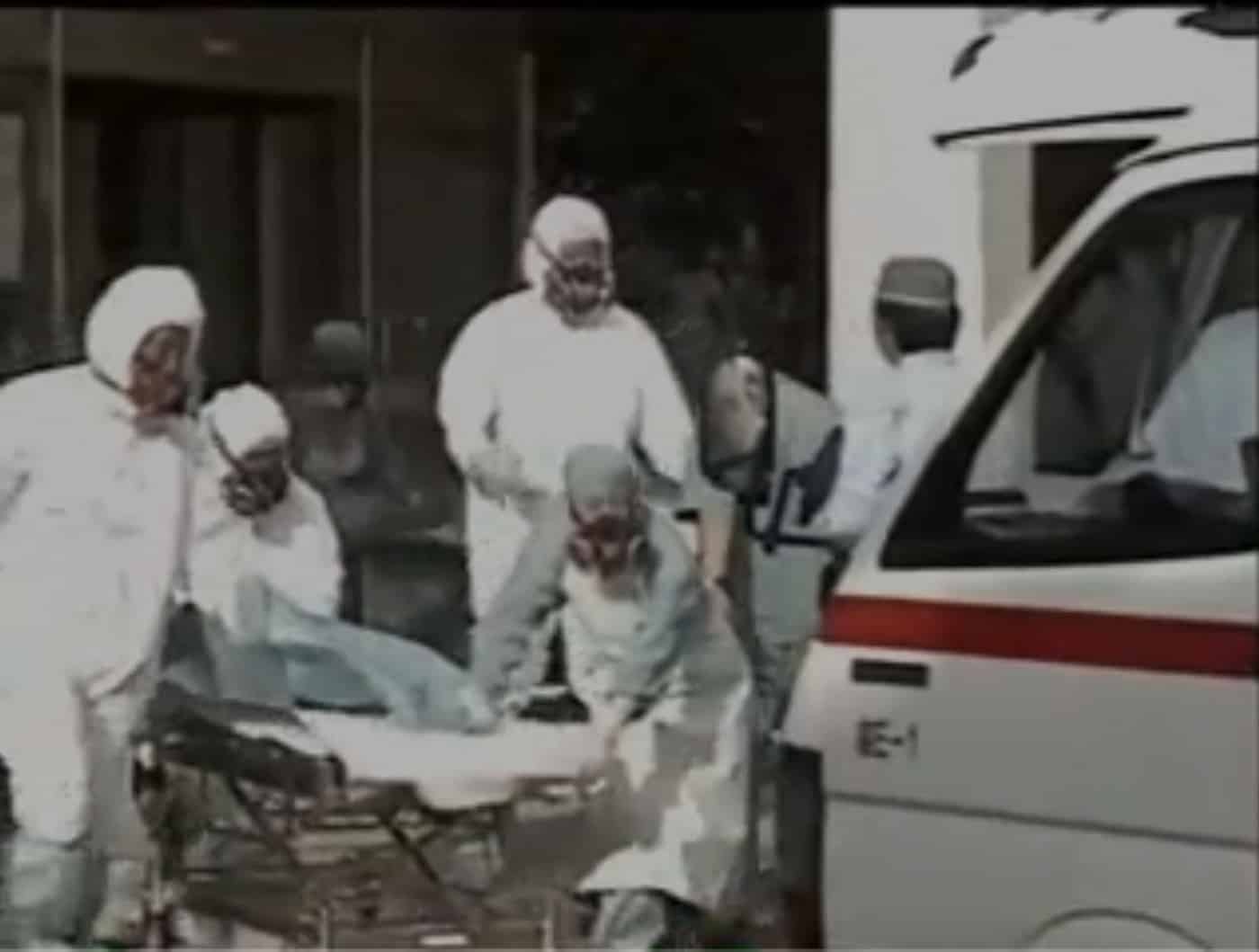
Ouchi was immediately rushed to the National Institute of Radiological Sciences in Chiba, and later transferred to the University of Tokyo Hospital. Initially, he appeared remarkably stable. He could speak, recognize medical staff, and walk into the hospital under his own power. However, doctors knew that the damage unfolding at a cellular level was unprecedented.
When radiation enters the human body in such massive quantities, it instantly shatters the DNA inside living cells, rendering them incapable of division. The tissues that rely on rapid cell division—such as bone marrow, the lining of the digestive tract, and the skin—are hit the hardest. Within days, Ouchi's white blood cell count plummeted to near zero, effectively destroying his immune system and leaving him entirely defenseless against infection.
The Biological Devastation
As the days progressed, the true horror of extreme radiation poisoning manifested. Ouchi's body began to break down internally and externally.
- Skin Failure: Radiation damage destroyed the chromosomes in his basal cells, preventing his skin from regenerating. Instead of healing, his skin began to blister, peel, and slough off, leaving raw, open tissue exposed.
- Intestinal Destruction: The lining of his gastrointestinal tract disintegrated, leading to massive internal bleeding and severe fluid loss.
- Immune Collapse: Without white blood cells, even the bacteria naturally present on human skin posed a lethal threat. He was placed in a sterile plastic isolation tent.
Faced with a scenario never before encountered in medical history, a specialized team of Japanese and international doctors attempted radical experimental treatments to save his life.
Video: Hisashi Ouchi's story #shorts

Medical Ethics and the 83-Day Battle
Ouchi Hisashi survived for 83 days under intensive, high-tech medical care. During this time, doctors administered groundbreaking treatments:
- Peripheral blood stem cell transplants: To try and restore his destroyed bone marrow and immune system.
- Massive blood transfusions and fluid replacements: To combat continuous bleeding and fluid loss from his deteriorating skin.
- Continuous life support: Utilizing ventilators, dialysis machines, and numerous pharmacological interventions to keep his failing organs functioning.
Despite these heroic efforts, the treatments could not reverse the fundamental chromosomal destruction. Ouchi's body could no longer maintain its own structural integrity. Reports indicate that at one point, he experienced massive fluid loss through his skin, weeping blood and plasma instead of sweat. Family members and medical staff watched in anguish as the boundaries of modern medical intervention were pushed into ethically ambiguous territory.
The Debate Over Quality of Life
The prolonged treatment of Ouchi Hisashi sparked intense global debate among bioethicists, doctors, and the public regarding the limits of life-sustaining care. Critics argued that keeping a patient alive under such extreme conditions prolonged suffering rather than offering hope for recovery. Conversely, medical teams defended their actions by stating they were pioneering treatments that could protect future workers in the nuclear industry.
According to historical accounts, Ouchi himself expressed the difficulty of his condition during moments of lucidity, reportedly crying out, "I can't take it anymore," and "I am not a guinea pig." Ultimately, on December 21, 1999, after suffering multiple organ failures, Ouchi Hisashi passed away following a cardiac arrest.
Lessons Learned from the Tragedy
The accident at Tokaimura and the subsequent demise of Ouchi Hisashi and Masato Shinohara led to profound changes worldwide:
- Stricter Regulatory Oversight: Japan overhauled its nuclear safety regulations, increasing inspections and penalizing facilities that cut corners on safety protocols.
- Enhanced Worker Safety: Training programs were revamped to emphasize the invisible, cumulative, and immediate dangers of handling fissile materials outside of shielded containment systems.
- Advancements in Radiation Medicine: While tragic, the data gathered during Ouchi's hospitalization provided toxicologists and radiation oncologists with unique insights into how the human body reacts to extreme radiation doses, influencing modern protocols for treating acute radiation syndrome.
The story of Ouchi Hisashi remains a sobering reminder of the immense power locked inside the atom. It underscores the vital importance of rigorous safety standards in the nuclear industry and forces humanity to confront difficult questions about the ethical boundaries of medical intervention when facing the absolute limits of human endurance.