P 75 Pill: Identification, Uses, and Safety
Finding an unmarked or unfamiliar capsule in your medicine cabinet or around the house can be concerning. If you have come across a capsule marked with a "P" on one half and "75" on the other, you are likely looking at a p 75 pill. In the vast majority of cases, this specific imprint designates Pregabalin 75 mg, an FDA-approved prescription medication commonly prescribed for nerve pain, fibromyalgia, and seizure management.

Because pregabalin is a controlled substance with specific risks and precautions, identifying the medication accurately and understanding how it works is vital. This guide details everything you need to know about the P 75 capsule, including its visual markers, medical uses, potential side effects, and essential safety guidelines.
Visual Identification Guide: What Does the P 75 Pill Look Like?
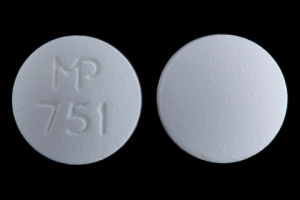
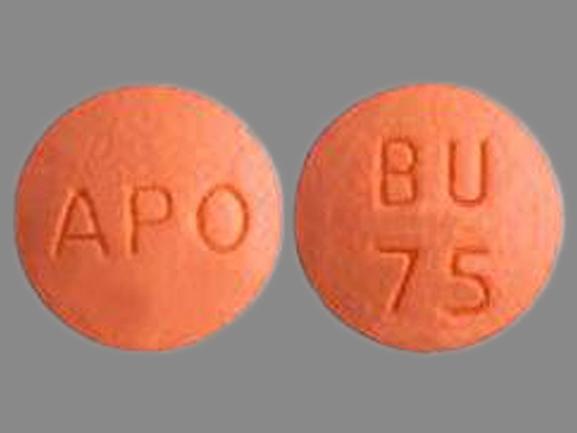
Before making any assumptions about an unfamiliar medication, verify every visual detail against official pharmaceutical data. A genuine P 75 capsule exhibits the following physical characteristics:
- Imprint: "P" printed on the cap, "75" printed on the body (often in black ink).
- Form: Hard gelatin capsule.
- Color: Typically two-toned; most commonly red/white, orange/white, or brownish-red/white, depending on the generic manufacturer.
- Active Ingredient: Pregabalin (75 milligrams).
- Manufacturer: Commonly produced by ScieGen Pharmaceuticals, Inc., though other generic drug manufacturers produce similar variants.
- Drug Class: Anticonvulsant / Gamma-aminobutyric acid (GABA) analogue.
- Legal Status: Schedule V controlled substance in the United States.
If your pill is a round, flat tablet or has different markings alongside "P 75," it is not the standard generic pregabalin capsule. Never ingest an unverified medication. When in doubt, bring the pill to a licensed community pharmacist for definitive identification.
What Is the P 75 Pill Used For?
The active ingredient in the P 75 pill, pregabalin, is the generic equivalent of the brand-name drug Lyrica. Healthcare providers prescribe pregabalin 75 mg to treat several chronic conditions affecting the central nervous system:
1. Neuropathic Pain Associated with Diabetic Peripheral Neuropathy
Chronic high blood sugar can damage peripheral nerves, leading to burning, tingling, or shooting pain in the feet and hands. Pregabalin is a frontline therapy that dampens the hyperactive nerve signals causing this discomfort.
2. Postherpetic Neuralgia (Shingles Pain)
After a shingles outbreak (herpes zoster), damaged nerve fibers can continue sending intense pain signals to the brain for months or even years. Pregabalin provides targeted relief for this persistent nerve pain.
3. Fibromyalgia
Fibromyalgia is a complex chronic condition characterized by widespread musculoskeletal pain, fatigue, and cognitive issues. Pregabalin helps alter how the brain processes pain signals, reducing overall pain severity and improving sleep quality for many patients.
4. Neuropathic Pain from Spinal Cord Injury
Patients who have suffered trauma or disease affecting the spinal cord often experience severe central neuropathic pain. Pregabalin is FDA-approved to help manage this challenging symptom.
5. Partial-Onset Seizures
Pregabalin is also used as an adjunctive (add-on) therapy alongside other anticonvulsant drugs to control partial-onset seizures in adults with epilepsy.
Off-Label Uses
Physicians sometimes prescribe pregabalin off-label for conditions not formally listed in the FDA approval package. These may include generalized anxiety disorder (GAD), chronic cough, restless legs syndrome (RLS), and certain types of persistent lower back pain involving radiculopathy.
How Pregabalin Works in the Body
Despite being a structural analogue of gamma-aminobutyric acid (GABA), pregabalin does not bind directly to GABA receptors or alter GABA uptake. Instead, it binds to the alpha-2-delta subunit of voltage-gated calcium channels in the central nervous system.
By binding to these channels, pregabalin reduces the influx of calcium into hyperexcited nerve endings. This reduction prevents the excessive release of excitatory neurotransmitters—including glutamate, norepinephrine, and substance P. By calming overactive neurons, pregabalin reduces pain signals and stabilizes abnormal electrical activity in the brain.
Dosage and Proper Administration
Pregabalin 75 mg is frequently prescribed as a starting dose or as part of a twice-daily titration schedule. A typical regimen for nerve pain or fibromyalgia may begin at 75 mg taken twice daily (150 mg total per day) and can be adjusted upward based on the patient's clinical response and tolerability.
- With or Without Food: You can take the P 75 capsule with food or on an empty stomach. Taking it with a meal can help reduce mild nausea.
- Swallow Whole: Do not crush, chew, open, or dissolve the capsule contents. Swallow the capsule whole with a full glass of water.
- Consistency: Take your doses at evenly spaced intervals every day to maintain a steady concentration of the drug in your bloodstream.
- Never Stop Abruptly: Discontinuing pregabalin suddenly can cause severe withdrawal symptoms, including insomnia, headache, nausea, anxiety, excessive sweating, and diarrhea. If you are taking it for seizures, abrupt cessation can trigger status epilepticus. Always work with your doctor to taper your dose gradually.
Common and Serious Side Effects of the P 75 Pill
Like all central nervous system agents, pregabalin can cause side effects. Most are mild to moderate and diminish as your body adjusts, but some require prompt medical intervention.
Common Side Effects
- Dizziness and lightheadedness
- Drowsiness (somnolence) and fatigue
- Dry mouth
- Peripheral edema (swelling of the hands, ankles, or feet)
- Weight gain and increased appetite
- Blurred or double vision
- Difficulty concentrating or "brain fog"
Serious Adverse Reactions
Contact a healthcare provider immediately if you experience any of the following severe symptoms:
- Severe Allergic Reactions (Angioedema): Swelling of the face, mouth, lips, gums, tongue, neck, or throat, which can cause life-threatening airway obstruction.
- Respiratory Depression: Dangerously slow, shallow, or difficult breathing, especially if pregabalin is taken alongside opioids or other central nervous system depressants.
- Suicidal Thoughts or Behavior: Like other anticonvulsant medications, pregabalin carries a warning regarding an increased risk of worsening depression, suicidal ideation, or unusual changes in mood and behavior.
- Unexplained Muscle Pain: Muscle pain, tenderness, or weakness accompanied by fever or malaise may indicate rhabdomyolysis, a rare but serious muscle condition.
Important Drug Interactions and Warnings
Before taking the P 75 pill, review your current medication list with your doctor or pharmacist to avoid hazardous drug-drug interactions:
- Opioid Pain Medications: Combining pregabalin with opioids (such as oxycodone, hydrocodone, or tramadol) drastically increases the risk of severe sedation, respiratory depression, coma, and fatal overdose. The FDA has issued safety warnings regarding this combination.
- Benzodiazepines and Alcohol: Medications like lorazepam, alprazolam, or diazepam, as well as alcoholic beverages, amplify the sedative effects of pregabalin, severely impairing motor coordination and cognitive function.
- ACE Inhibitors: Taking pregabalin with angiotensin-converting enzyme (ACE) inhibitors (e.g., lisinopril, enalapril) may elevate your risk for developing angioedema and peripheral swelling.
- Diabetes Medications: Certain oral antidiabetic drugs (such as pioglitazone or rosiglitazone) combined with pregabalin can exacerbate fluid retention and peripheral edema, potentially worsening congestive heart failure.
Dependence, Misuse, and Controlled Substance Status
Pregabalin is classified as a Schedule V controlled substance under United States federal law. While it carries a lower abuse potential than Schedule II or III drugs, it can still produce feelings of relaxation, euphoria, and dissociation at elevated doses.
Individuals with a personal or family history of substance use disorder should be monitored closely while taking this medication. Never share your P 75 prescription with others, and store the capsules securely out of reach of children and visitors.
Final Thoughts on the P 75 Pill
The P 75 pill is an effective, widely prescribed medication that provides essential relief for individuals living with neuropathic pain, fibromyalgia, and seizure disorders. However, because it directly impacts the central nervous system and carries risks of sedation, physical dependence, and drug interactions, it must only be taken under the supervision of a licensed physician.
If you have found an unidentified pill marked P 75 and are uncertain whether it belongs to you, do not take it. Store it safely and consult your local pharmacist or use the FDA's online drug verification resources to confirm its identity.