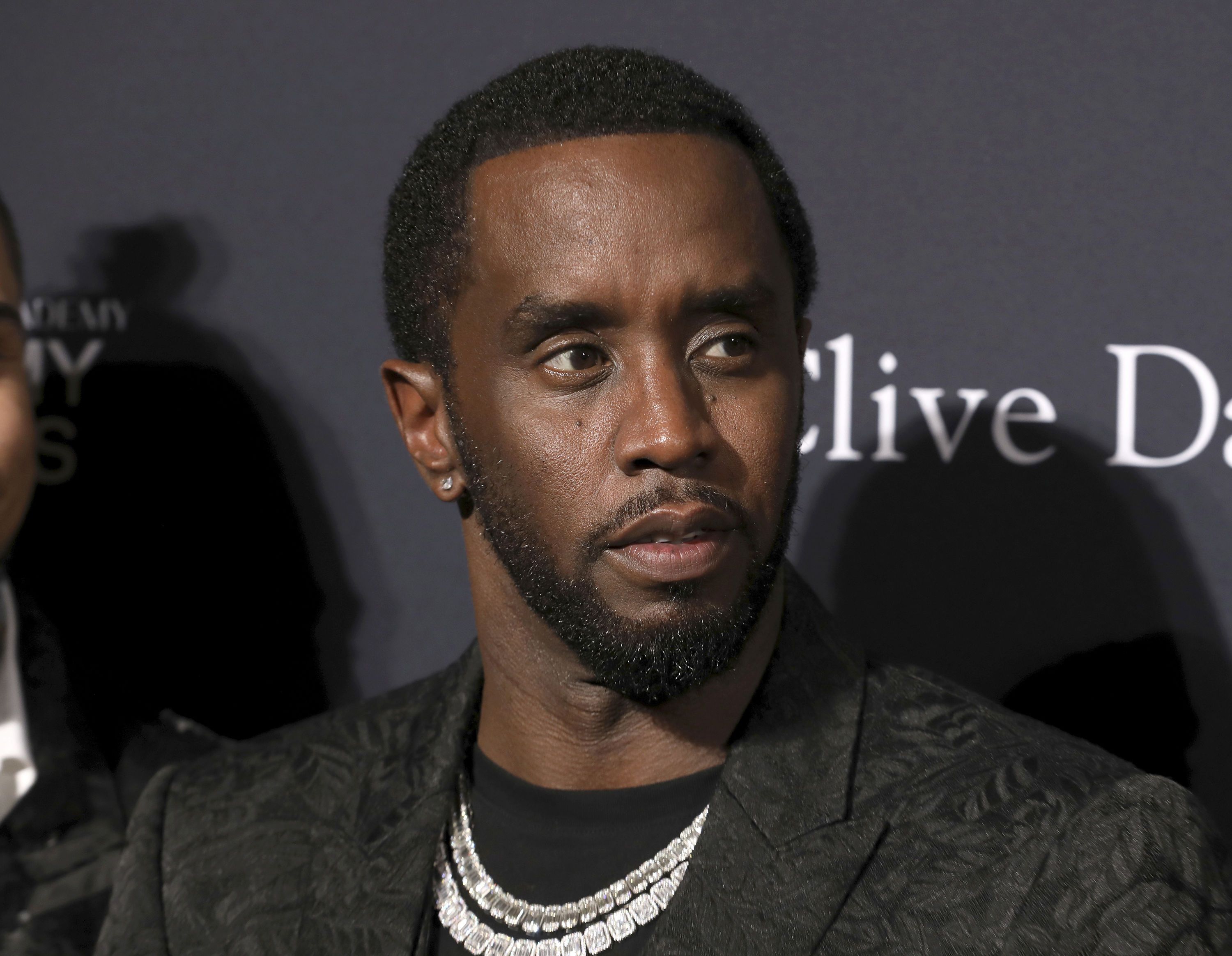
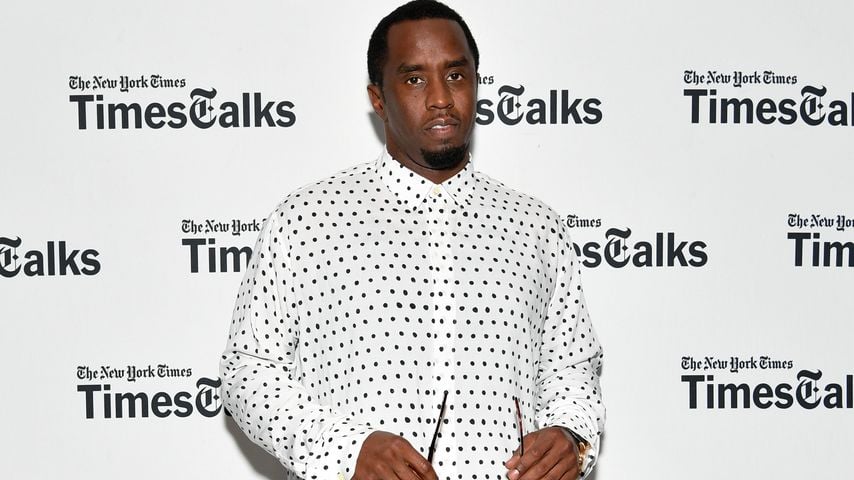
P Diddy's Net Worth: How He Built a Hip-Hop Empire
When historians of modern commerce and culture look back at the architects of hip-hop capitalism, Sean 'Diddy' Combs occupies a towering, complex space. Long before tech founders and social media influencers were launching direct-to-consumer brands, Combs understood that music was merely the entry point to a much larger commercial ecosystem. Understanding the $ factor in P Diddy’s legacy: how did he crush the numbers? requires looking past the chart-topping singles and examining a masterclass in brand architecture, venture scaling, and strategic equity partnerships.

From Label Founder to Mogul: The Foundations of Bad Boy Records
To trace the financial trajectory of Sean Combs, one must return to 1993, the year he founded Bad Boy Records. Fresh off his dismissal from Uptown Records, Combs leveraged a distribution deal with Arista Records—headed by industry veteran Clive Davis—to build an independent powerhouse. Rather than settling for a standard executive salary or production royalties, Combs structured deals that prioritized master recordings, publishing rights, and vertical integration.
Bad Boy wasn't just a record label; it was a lifestyle brand. By curating a distinct aesthetic that merged high fashion with gritty street culture, Combs ensured that artists like The Notorious B.I.G., Ma$e, and Faith Evans sold more than just compact discs. They sold a world. This foundation proved that hip-hop artists could dictate terms to corporate America rather than simply serving as its product.
The Cîroc Partnership: A Masterclass in Equity Over Endorsement
Perhaps the single most lucrative financial turning point in Combs’ career came in 2007, when he entered into a 50/50 partnership with Diageo to manage the marketing and branding of Cîroc vodka. At the time, Cîroc was a relatively obscure French grape-based vodka struggling to gain traction in the United States.
Instead of taking a traditional upfront celebrity endorsement fee, Combs bet on himself—and on the long-term growth of the brand. He deployed his marketing genius, high-profile network, and relentless promotion. The strategy worked beyond expectations. Cîroc transformed from a minor label into a luxury status symbol, selling millions of cases annually at its peak.
Turning Marketing Into Ownership
The Cîroc deal redefined how celebrities interact with consumer packaged goods. Key elements of this strategy included:
- Profit-Sharing: Combs secured a 50% cut of the brand’s growth and profits, rather than a flat fee per appearance.
- Cultural Relevance: He positioned the spirit at high-end events, music videos, and nightlife hotspots, making it aspirational.
- The Exit: Though his relationship with Diageo ultimately faced legal friction and public disputes, the partnership generated hundreds of millions of dollars in cumulative revenue and set a benchmark for future artist-brand ventures like Ryan Reynolds with Aviation Gin or George Clooney with Casamigos.
Diversification and the Sean John Phenomenon
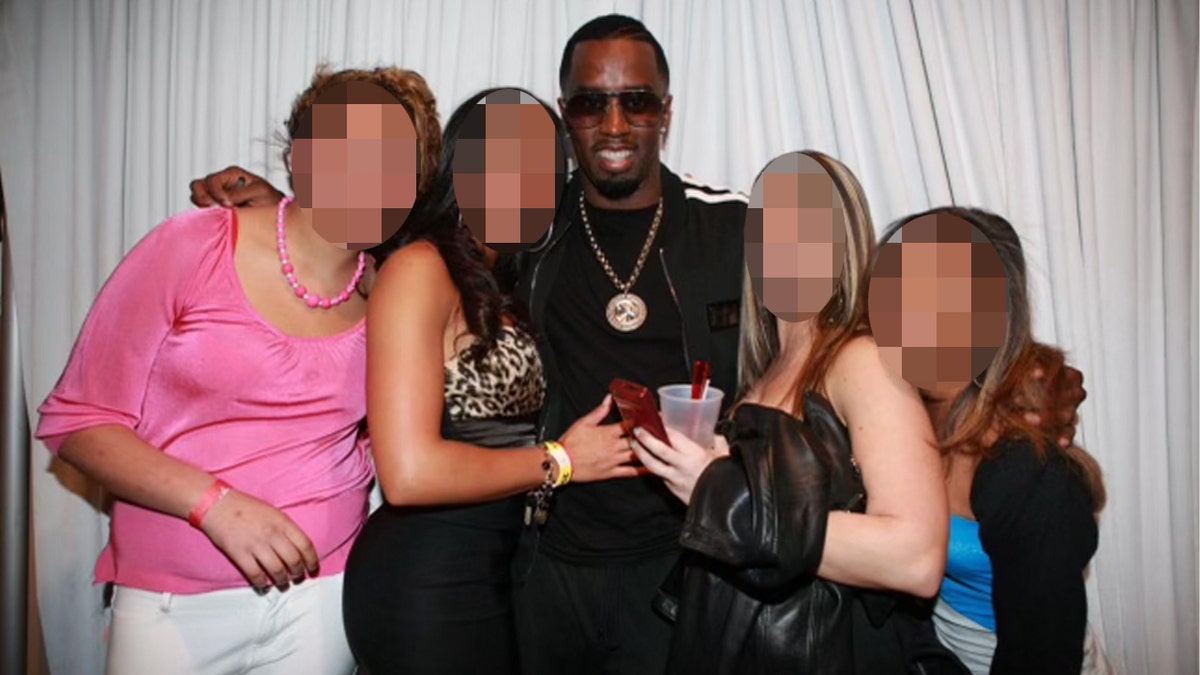
Long before launching his beverage ventures, Combs proved his retail acumen with the launch of Sean John in 1998. Urban streetwear had historically been undervalued by mainstream department stores. Combs changed that narrative by introducing tailored sportswear, luxury fabrics, and high-fashion runway presentations for an urban demographic.
Sean John quickly grew into a cultural and financial juggernaut, generating hundreds of millions in annual retail sales. In 2004, Combs won the prestigious Council of Fashion Designers of America (CFDA) award for Menswear Designer of the Year—a monumental validation from the traditional fashion establishment. By licensing the brand name and eventually selling major stakes to private equity firms, Combs monetized his aesthetic vision on a global scale.
Media Ventures and Revolt TV
As the traditional music industry digitized and revenue models shifted toward streaming, Combs sought out new frontiers for media dominance. In 2013, he launched Revolt TV, a multi-platform cable network focused on hip-hop culture, music news, and creator-driven content.
Revolt gave Combs editorial control and a direct pipeline to younger demographics, ensuring he maintained influence over the media landscape. While running a cable network in the era of cord-cutting presented steep operational challenges, Revolt served as a vital anchor for brand synergy, uniting his fashion, music, and corporate advertising interests under one digital roof.
The Complex Reality Behind the Numbers
No examination of P Diddy’s financial legacy is complete without acknowledging the shifting sands of public perception and legal scrutiny. Business empires built largely on personal brand equity are uniquely vulnerable to reputational fallout. Recent legal battles, civil lawsuits, and public controversies have severely impacted his standing in corporate America, leading to severed ties with major partners and a re-evaluation of his corporate footprint.
The financial architecture he built—spanning real estate portfolios, catalog values, and private equity investments—remains substantial, yet his legacy is currently undergoing a profound re-examination. The numbers that once defined his triumph as an independent Black entrepreneur are now viewed through a much more complex, scrutinized lens.
Conclusion: A Blueprint with Conditions
Sean 'Diddy' Combs permanently altered the financial playbook for entertainers. By demanding equity, launching diverse consumer brands, and refusing to stay inside the creative box, he proved that cultural influence could be converted into institutional wealth. Yet, his story also serves as a cautionary tale about the perils of centralizing a multi-million dollar corporate empire around a single, highly volatile personality.