Pablo Escobar’s Bloody Rule: The Crimes That Defined a Drug War Era
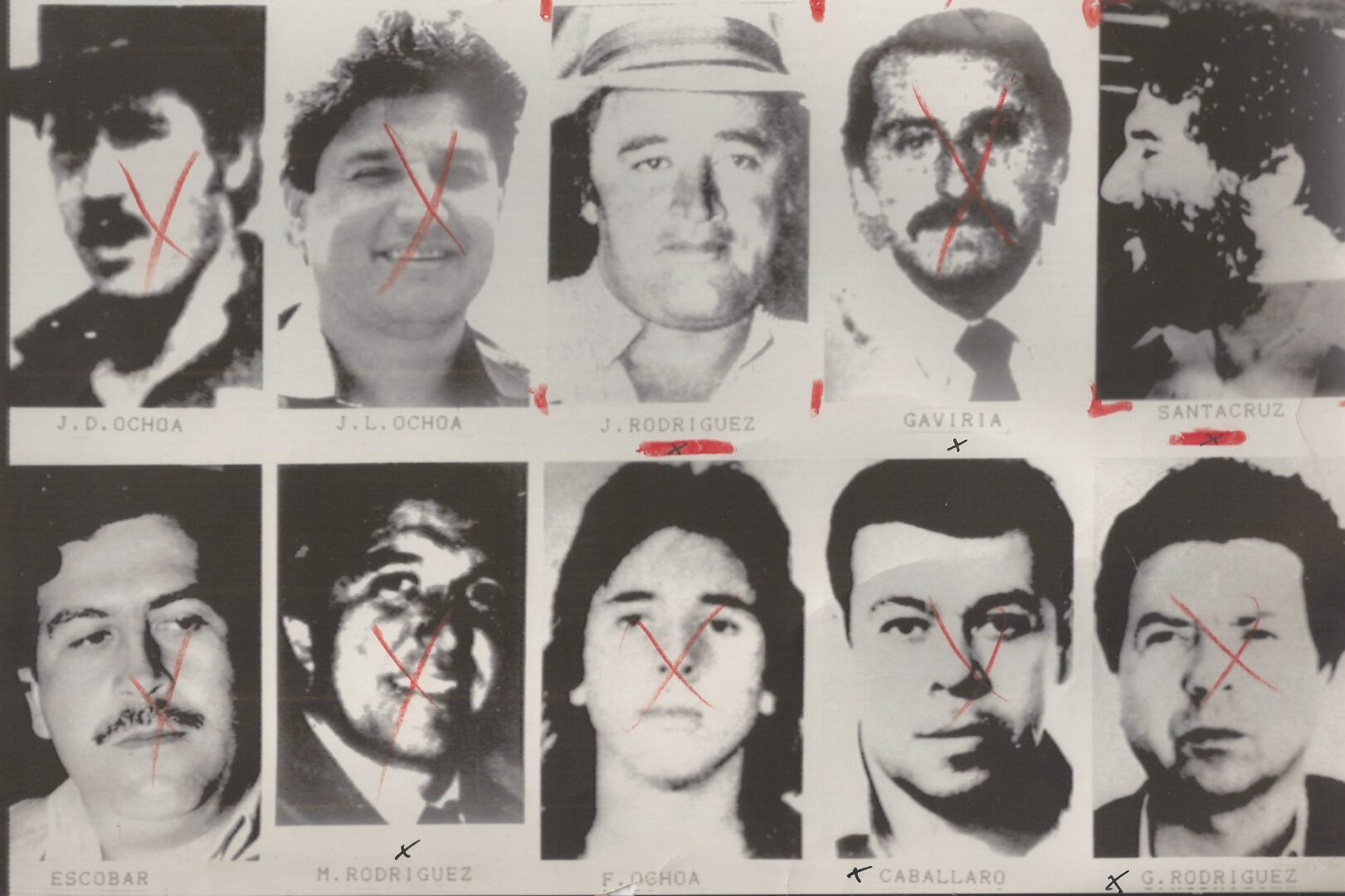
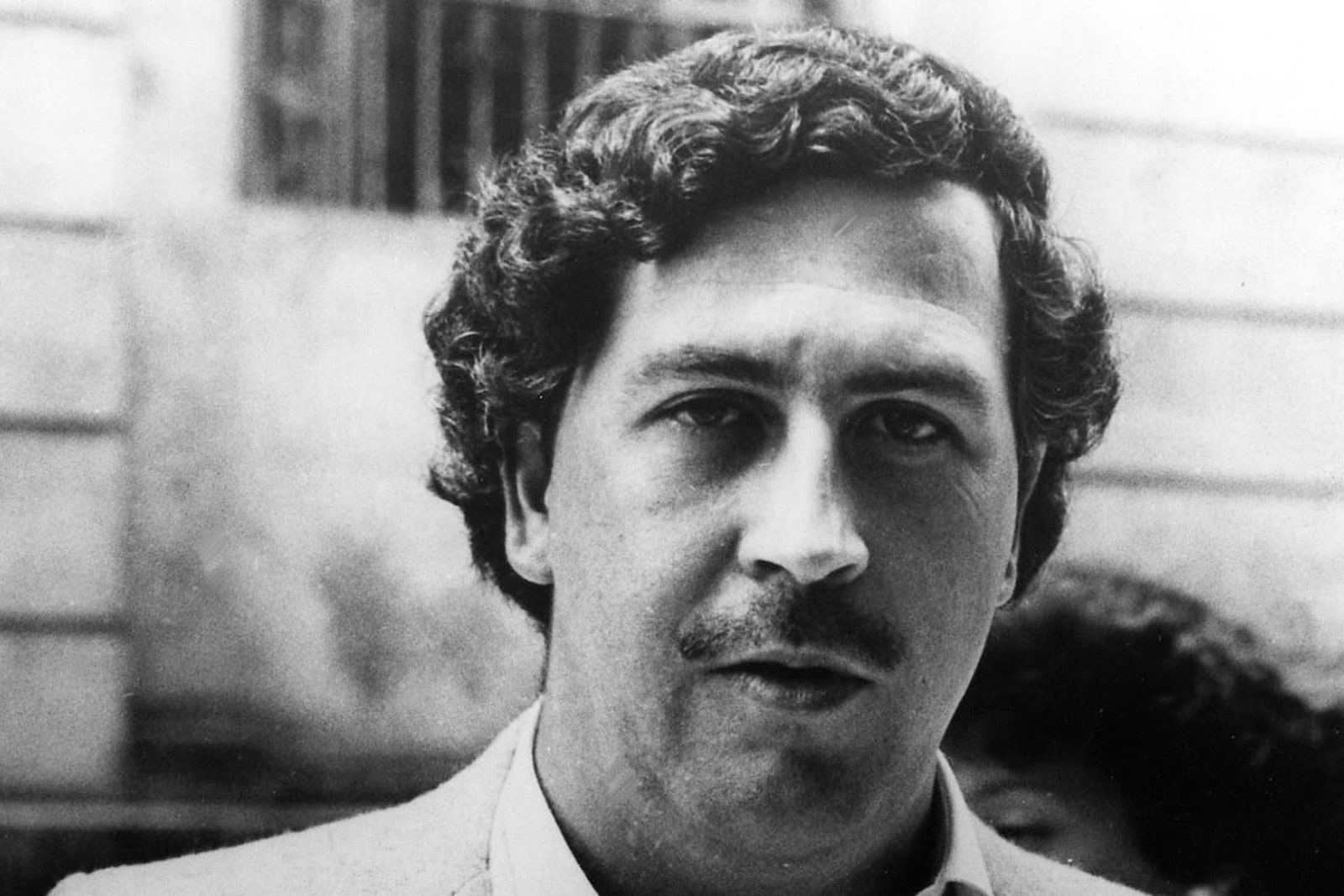
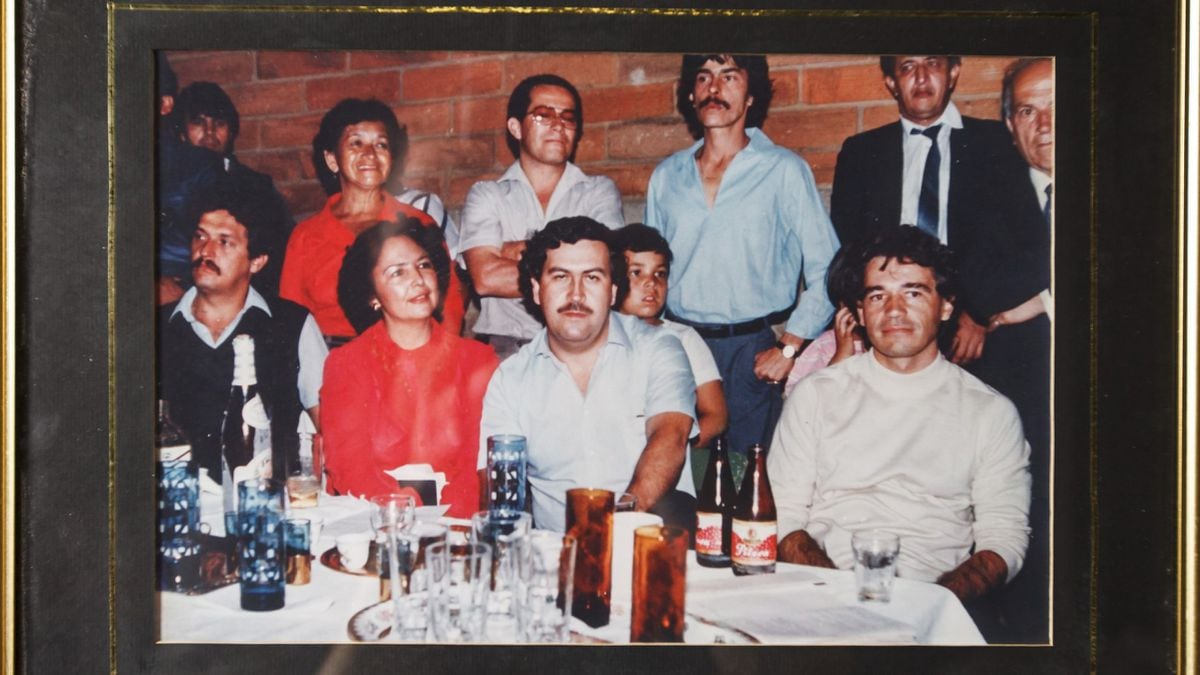
In the late 1970s and 1980s, the international narcotics trade evolved from covert smuggling rings into an industrialized empire of violence. At the center of this transformation stood the Medellín Cartel, led by a ruthless kingpin whose ambition threatened the very sovereignty of the Colombian state. Examining Pablo Escobar’s bloody rule: the crimes that defined a drug war era reveals a calculated campaign of narco-terrorism designed to bend judges, journalists, police officers, and heads of state to the will of an outlaw.
Escobar did not merely run a cartel; he waged war against any institution that dared to challenge his impunity. His reign cost thousands of innocent lives and fundamentally reshaped Colombia's political and social landscape for an entire generation.
The Philosophy of 'Plata o Plomo'
Before launching mass casualty terror attacks, Escobar mastered the brutal doctrine of plata o plomo (silver or lead). This stark ultimatum presented public officials, judges, and law enforcement officers with a binary choice: accept cartel bribes or face immediate assassination along with their families.
This corruptive strategy effectively paralyzed Colombia's municipal institutions in the late 1970s and early 1980s. Escobar used his staggering wealth to project a populist persona in Medellín—building housing developments, lighting soccer fields, and distributing cash to impoverished neighborhoods. Yet beneath this philanthropic veneer lay a terrifying apparatus: the sicarios, young motorcycle-riding hitmen hired from the city’s slums to eliminate anyone who chose integrity over silver.
Silencing the Voices of Dissent: High-Profile Assassinations
As the cartel's influence grew, several courageous figures refused to yield. Escobar responded with unprecedented public violence, targeting key leaders across the executive, judicial, and journalistic sectors.
Rodrigo Lara Bonilla (1984)
In 1983, Minister of Justice Rodrigo Lara Bonilla publicly denounced Escobar’s political ambitions, leading to Escobar’s expulsion from the Colombian Congress. Lara launched aggressive raids on cartel operations, including the seizure of Tranquilandia, a massive cocaine production complex. On April 30, 1984, cartel hitmen opened fire on Lara’s vehicle in Bogotá, killing him instantly. This brazen murder shattered the government's complacency and forced President Belisario Betancur to officially endorse extradition to the United States.
Guillermo Cano Isaza (1986)
Guillermo Cano Isaza, the crusading director of the venerable newspaper El Espectador, persistently exposed the cartel’s criminal roots through investigative journalism. On December 17, 1986, hitmen shot Cano to death outside his office. His assassination was an explicit warning to the press, but it instead cemented his status as a martyr for truth and institutional freedom.
Luis Carlos Galán (1989)
Perhaps the most politically consequential assassination occurred on August 18, 1989. Luis Carlos Galán, the charismatic presidential frontrunner for the Liberal Party, had built his platform on a zero-tolerance policy toward drug cartels and unconditional support for extradition. While stepping onto a campaign stage in Soacha before thousands of supporters, Galán was gunned down with an automatic weapon. His murder sent shockwaves across the globe and triggered the Colombian government's declaration of total war against the cartel.
Pablo Escobar’s Bloody Rule: The Crimes That Defined a Drug War Era
Galán’s assassination marked a shift from targeted executions to indiscriminate mass terrorism. The Colombian government, now led by President Virgilio Barco and later César Gaviria, pushed hard to capture cartel leaders and seize their assets. In response, Escobar launched a campaign of urban warfare intended to break the public's morale.

The Bombing of Avianca Flight 203
On November 27, 1989, cartel operatives smuggled an explosive device aboard Avianca Flight 203, a Boeing 727 departing Bogotá for Cali. The cartel believed that presidential candidate César Gaviria was on board. Gaviria had canceled his travel plans at the last minute, but the bomb detonated five minutes after takeoff over Soacha. All 107 people on board perished, along with three people on the ground killed by falling debris. Two of the passengers were American citizens, leading the U.S. government to dramatically escalate its intelligence and logistical support to the Colombian National Police.
The DAS Headquarters Bombing
Just nine days later, on December 6, 1989, a truck packed with 500 kilograms of commercial dynamite detonated outside the headquarters of the Administrative Department of Security (DAS) in downtown Bogotá. The explosion leveled several city blocks, killed 63 people, and injured more than 1,000. While the primary target, DAS Director General Miguel Maza Márquez, survived in an armored office, the bombing proved that Escobar was willing to reduce the nation's capital to rubble to secure his demands.
The War on Police and Urban Carnage
In addition to explosive attacks, Escobar systematically targeted the rank-and-file members of the Colombian National Police. To retaliate against police crackdowns, he placed a cash bounty on the head of every law enforcement officer in Medellín:
- Cash Incentives: Hitmen were paid between $1,000 and $2,000 for each dead officer, depending on the rank.
- High Death Toll: Over 500 police officers were murdered in Medellín within a single year as teenagers hunted down patrols.
- Social Paralyzation: Officers avoided wearing uniforms off-duty, and patrol cars ceased entering entire sectors of the city without armored support.
Car bombs became a near-daily fixture outside shopping centers, bullrings, and government offices in Medellín and Bogotá, claiming hundreds of civilian lives and breeding a pervasive climate of terror.
The Farce of La Catedral and the Search Bloc
By 1991, cornered by military operations and facing exhaustion from rival syndicates, Escobar negotiated a surrender. However, the terms were dictated largely by him. Colombia’s Constituent Assembly banned the extradition of native-born citizens, and Escobar agreed to serve a nominal sentence inside La Catedral, a custom-built luxury prison overlooking Medellín.
From inside his personal compound—equipped with a soccer pitch, bar, and jacuzzi—Escobar continued directing his global cocaine network. In July 1992, after discovering that cartel lieutenants Fernando Galeano and Gerardo Moncada had allegedly skimmed profits, Escobar had them tortured and murdered inside the prison. Realizing the government intended to transfer him to a standard military facility, Escobar walked out of the prison into the hills, triggering the final phase of the conflict.
His escape prompted the mobilization of the Search Bloc (Bloque de Búsqueda), an elite police unit trained by U.S. Delta Force and DEA personnel. Simultaneously, a shadow vigilante organization known as Los Pepes (People Persecuted by Pablo Escobar)—composed of rival Cali Cartel operatives, paramilitaries, and former allies—began dismantling Escobar’s financial networks and executing his remaining operatives.
The Cost of Narco-Terrorism and the Legacy of Survival
Pablo Escobar’s violent run ended on December 2, 1993, when Search Bloc electronic surveillance triangulated his location in a middle-class Medellín neighborhood. Cornered on a terracotta rooftop, the 44-year-old kingpin was shot dead by Colombian police snipers.
The era he forged left indelible scars. Between 1989 and 1993, Colombia suffered one of the highest homicide rates in the world, with Medellín suffering an estimated 6,000 murders per year at the peak of the violence. Yet the lasting narrative of this dark chapter is not the criminal power Escobar held, but the extraordinary resilience of the Colombian people. Judges, journalists, police officers, and everyday citizens repeatedly stood firm against terror, preserving the democratic foundations of a nation that refused to fall under cartel control.