Pacific to Central Time Conversion Made Simple
Managing schedules across different regions of the United States often requires a quick pacific to central time conversion. Whether you are scheduling a Zoom meeting with a client in Chicago, catching a live sports broadcast originating from Los Angeles, or coordinating travel plans, understanding how these two major North American time zones interact is essential for avoiding missed appointments.
The Basic Time Difference Explained
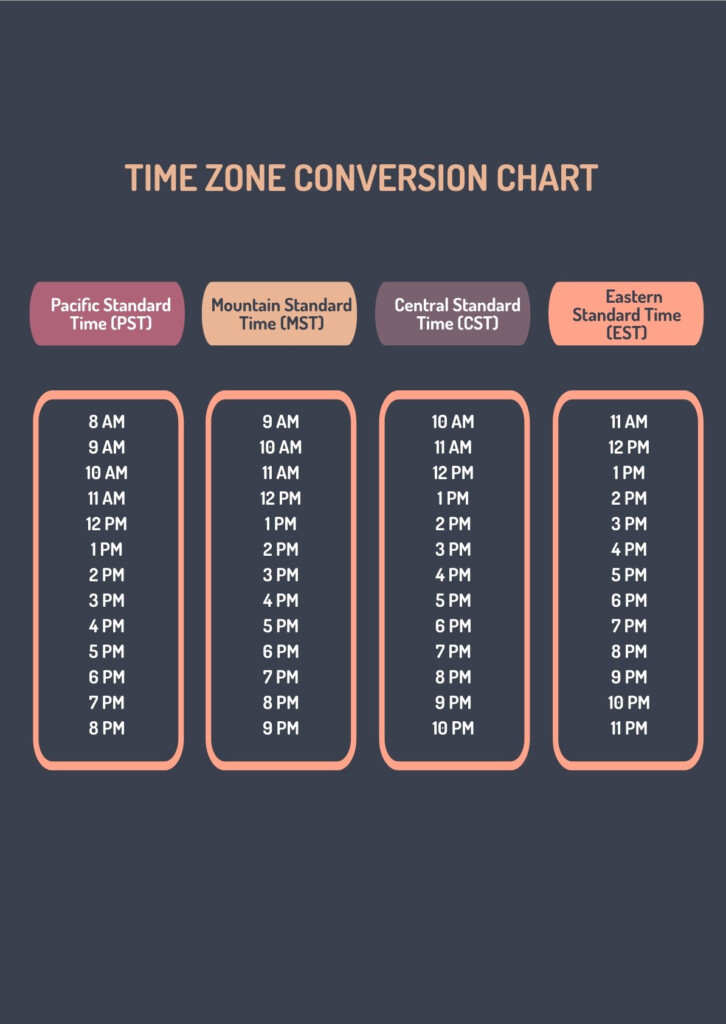
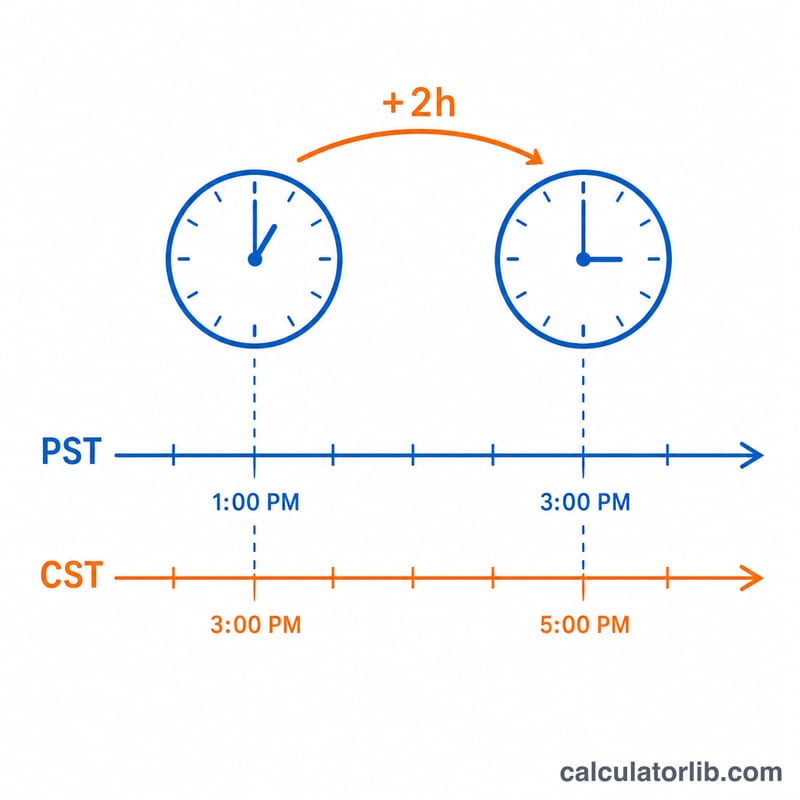
The fundamental rule for converting from Pacific Time (PT) to Central Time (CT) is straightforward: Central Time is always two hours ahead of Pacific Time.
When it is 12:00 PM (noon) in Los Angeles, Seattle, or Vancouver, it is already 2:00 PM in Chicago, Dallas, and Houston. Because of this consistent two-hour gap, you simply need to add two hours to your Pacific Time clock to find the corresponding Central Time.
Examples of Pacific to Central Time Conversion
- 8:00 AM PST becomes 10:00 AM CST
- 1:30 PM PST becomes 3:30 PM CST
- 9:00 PST becomes 11:00 PM CST
To go in the reverse direction—from Central back to Pacific—you simply subtract two hours from the Central Time value.
Understanding Pacific and Central Time Zones
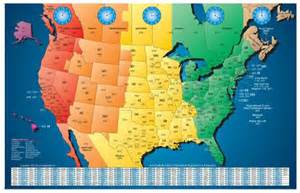
North America divides its time into several standard bands, with the Pacific and Central zones sitting right next to each other, separated by the Mountain Time Zone.
Pacific Time (PT)
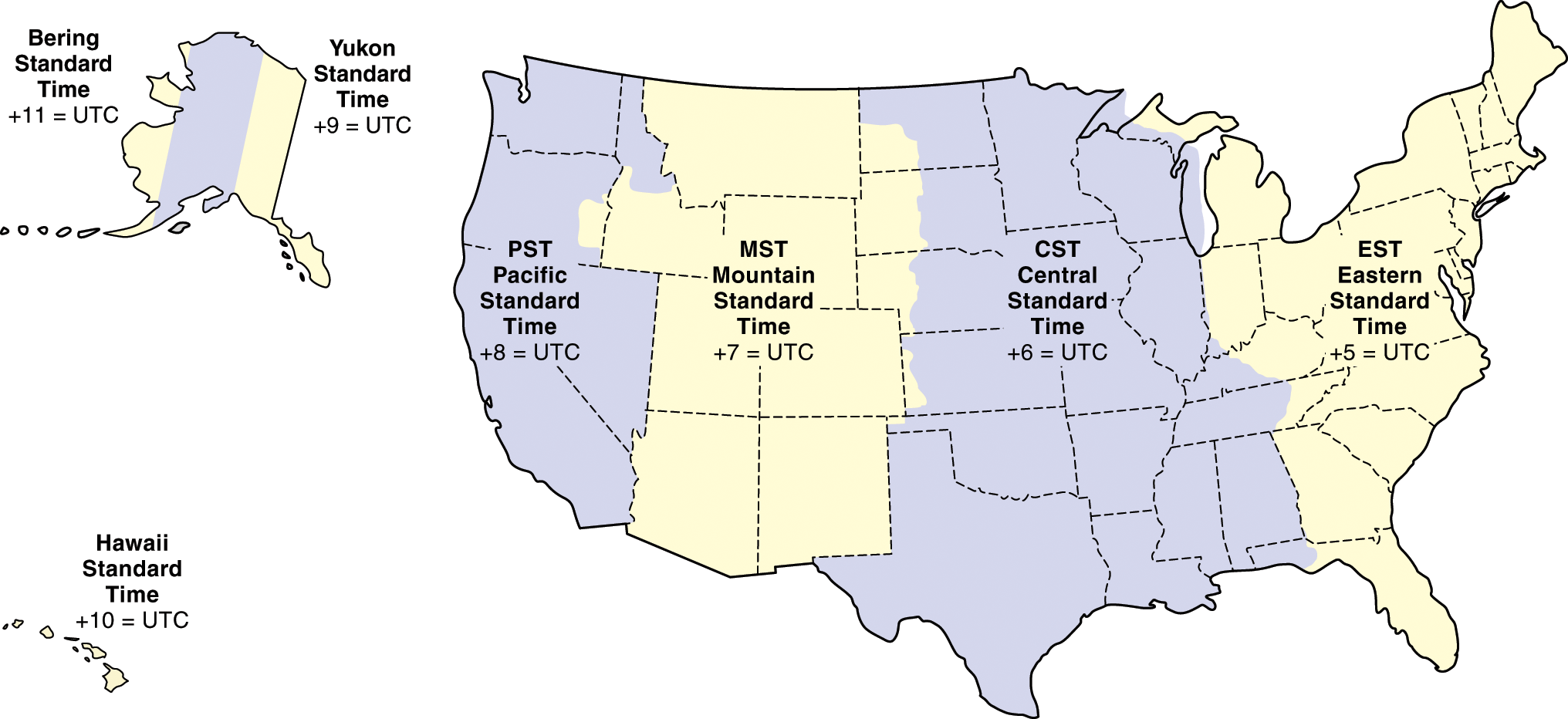
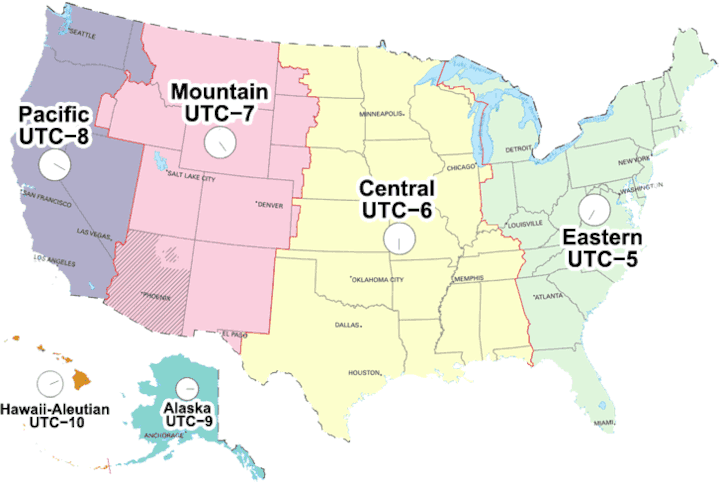
The Pacific Time Zone covers the western coast of the United States and Canada, along with parts of Mexico. During standard time, it is known as Pacific Standard Time (PST) and sits 8 hours behind Coordinated Universal Time (UTC-8). Major cities in this zone include Los Angeles, San Francisco, Seattle, Portland, and Vancouver.
Central Time (CT)
The Central Time Zone sits in the heart of North America, covering the Midwest and parts of the Gulf Coast and South. During standard time, it is known as Central Standard Time (CST) and sits 6 hours behind Coordinated Universal Time (UTC-6). Major population centers include Chicago, Houston, Dallas, Minneapolis, St. Louis, and New Orleans.
Video: PST to EST Converter 2026 | Convert Pacific Time to Eastern Time Instantly

The Impact of Daylight Saving Time (DST)
A common point of confusion during seasonal transitions involves Daylight Saving Time (DST). Fortunately, almost all regions observing Pacific Time and Central Time shift their clocks forward and backward on the exact same days.
In the United States and Canada:
- Spring Forward: On the second Sunday in March at 2:00 AM local time, clocks move forward one hour. Pacific Standard Time (PST) becomes Pacific Daylight Time (PDT, UTC-7), and Central Standard Time (CST) becomes Central Daylight Time (CDT, UTC-5).
- Fall Back: On the first Sunday in November at 2:00 AM local time, clocks move back one hour, returning to standard time.
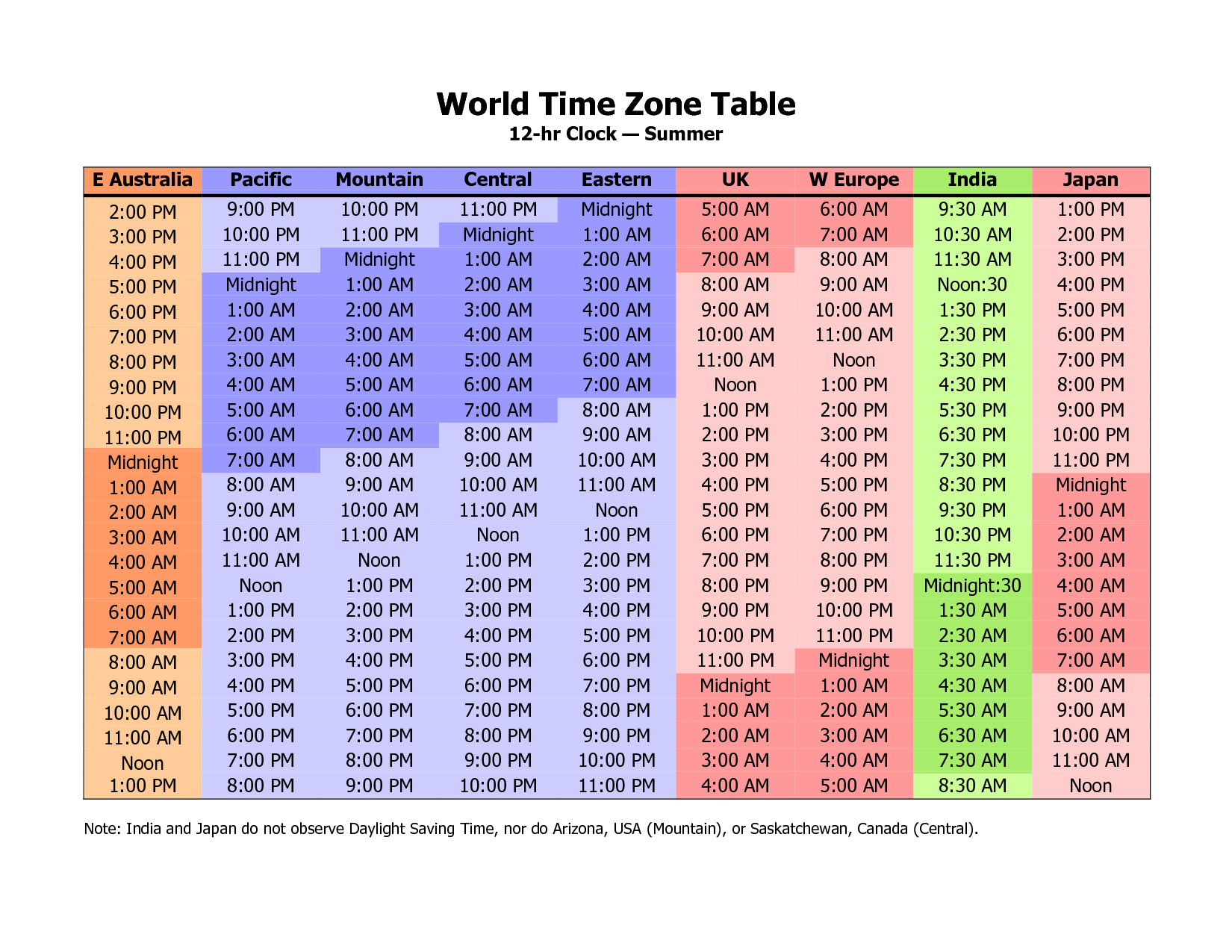
Because both zones synchronize their transitions, the two-hour time difference remains constant year-round. Central Time is always two hours ahead of Pacific Time, whether you are calculating it in the dead of winter or the middle of summer.
Exceptions and Special Regions to Watch
While the vast majority of the Pacific and Central zones follow the rules outlined above, a few notable exceptions exist that can catch travelers and planners off guard.
Arizona and Saskatchewan
Most of Arizona does not observe Daylight Saving Time and remains on Mountain Standard Time year-round. However, the Navajo Nation in northeastern Arizona *does* observe DST. If you are communicating with parts of Arizona during the summer months, be sure to double-check their local offset.
Similarly, the Canadian province of Saskatchewan stays on Central Standard Time year-round without shifting clocks in the spring or autumn.
Tips for Quick Mental Conversions
When you do not have a smartphone or search engine handy, use these mental tricks to keep your scheduling accurate:
- Think "Dinner to Late Night": If you are finishing work at 5:00 PM on the West Coast, your colleagues in the Midwest are already wrapping up dinner at 7:00 PM.
- Business Hours Overlap: Standard West Coast business hours (9:00 AM to 5:00 PM PT) translate to 11:00 AM to 7:00 PM CT. This gives you a solid eight-hour overlap where employees in both regions are working at the same time.
- Set Dual Clocks: If you frequently conduct business across these zones, configure your computer or smartphone operating system to display both Pacific and Central times simultaneously in the menu bar.
Mastering pacific to central time conversion takes just a moment of practice. By remembering the steady two-hour gap and keeping daylight saving transitions in mind, you can schedule events, catch flights, and connect with peers seamlessly.