Paige VanZant Leak Unleashed: Media Storm Explained
In the digital age, high-profile athletes and content creators often find themselves at the center of massive internet storms. Headlines frequently sensationalize private matters, capturing the public's attention with dramatic phrases like the Paige Vanzant Leak Unleashed: Entire Conversations That Shocked the Media!. However, separating viral hyperbole from reality requires a closer look at how modern media operates, how internet rumors spread, and what these incidents reveal about digital privacy in the twenty-first century.

Understanding the Paige Vanzant Leak Unleashed Phenomenon
When sensational terms trend across social media platforms, they usually stem from a mix of clickbait articles, misunderstood quotes, or manufactured outrage. In the case of Paige VanZant—a prominent figure known for her career in MMA, bare-knuckle boxing, and successful digital content creation—public interest is always exceptionally high. Because she commands a massive following across multiple platforms, any rumor involving her name quickly multiplies across forums and news aggregators.
Viral internet culture relies heavily on curiosity gaps. Headlines are deliberately crafted to make users feel like they are missing out on a massive revelation. When users search for phrases tied to leaked conversations or shocking media exposés, they are often met with SEO-optimized landing pages designed more for traffic than for factual reporting.
The Reality of Celebrity Digital Privacy
Public figures face a constant battle regarding their personal and professional boundaries. As athletes and entertainers transition to subscription-based platforms and direct-to-consumer monetization models, the lines between public persona and private life blur significantly. This shift creates unique challenges:
- Targeted Misinformation: Malicious actors sometimes fabricate screenshots, messages, or audio to generate controversy or extortion.
- Data Vulnerability: High-profile accounts are frequent targets of hacking attempts, phishing, and unauthorized data scraping.
- Algorithmic Amplification: Social media algorithms reward engagement, meaning sensational rumors spread exponentially faster than boring retractions or truth.
How Rumors Gain Traction Online
Video: Paige VanZant Says She Doesn't Hate Opponents, But Will Go To War | TMZ Sports
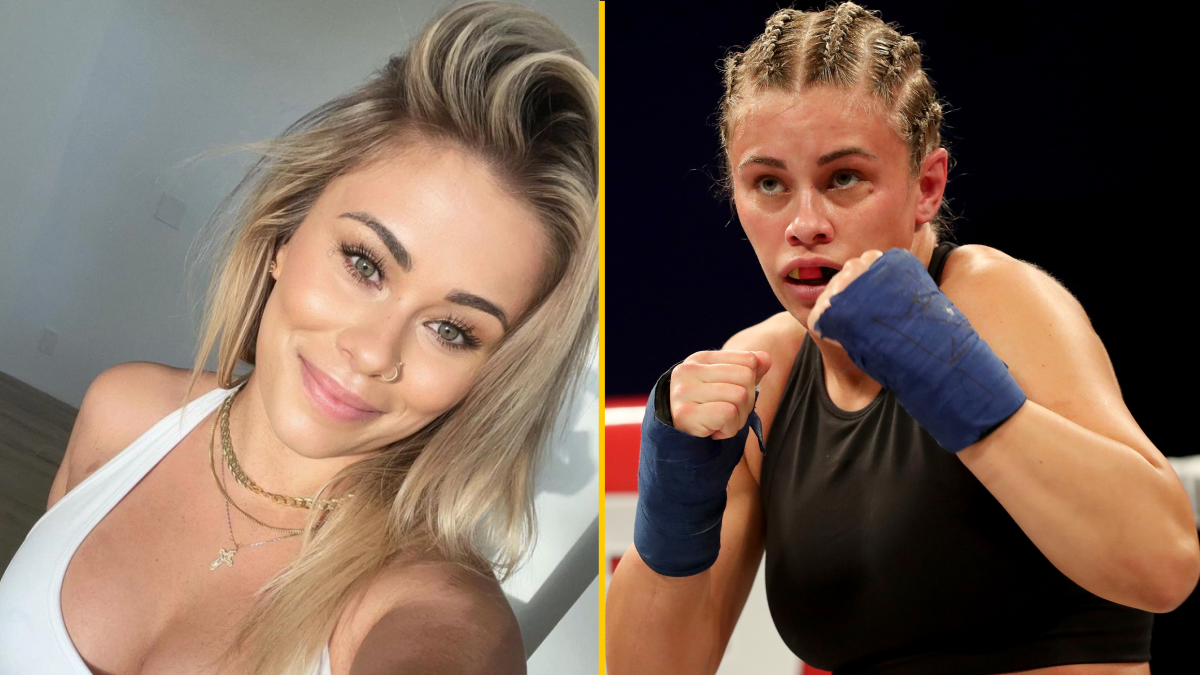
The lifecycle of a modern internet rumor follows a predictable trajectory. It usually begins on niche forums or anonymous image boards where users speculate or create entirely fictional narratives. From there, automated content scrapers pick up the keywords, spinning them into vaguely worded news articles. Finally, social media users share the links without verifying the contents, pushing the topic to trending status.
For individuals caught in the middle of these digital storms, the impact can be frustrating. Even when claims are entirely baseless, the sheer volume of search traffic means that millions of people may encounter the misinformation before it can be effectively debunked.
Protecting Personal Data in the Public Eye
The discussions surrounding digital security and private communications highlight a growing need for robust online protection, especially for celebrities and influencers. Safeguarding one's digital footprint involves several critical steps:
- Implementing multi-factor authentication (MFA) across all email, social media, and banking accounts.
- Working closely with digital management teams to monitor and issue takedown requests for unauthorized or copyrighted material.
- Maintaining strict separation between personal communication channels and public business operations.
- Educating fans and followers on how to spot phishing scams and fake accounts impersonating public figures.
Conclusion
Sensational headlines will always remain a staple of internet culture, but media literacy helps consumers navigate the noise. While phrases like the Paige Vanzant leak trends generate millions of impressions, looking past the clickbait reveals a broader conversation about digital privacy, the responsibilities of online platforms, and the relentless nature of modern celebrity culture. Staying informed and skeptical of unverified claims is the best defense against manufactured internet outrage.


