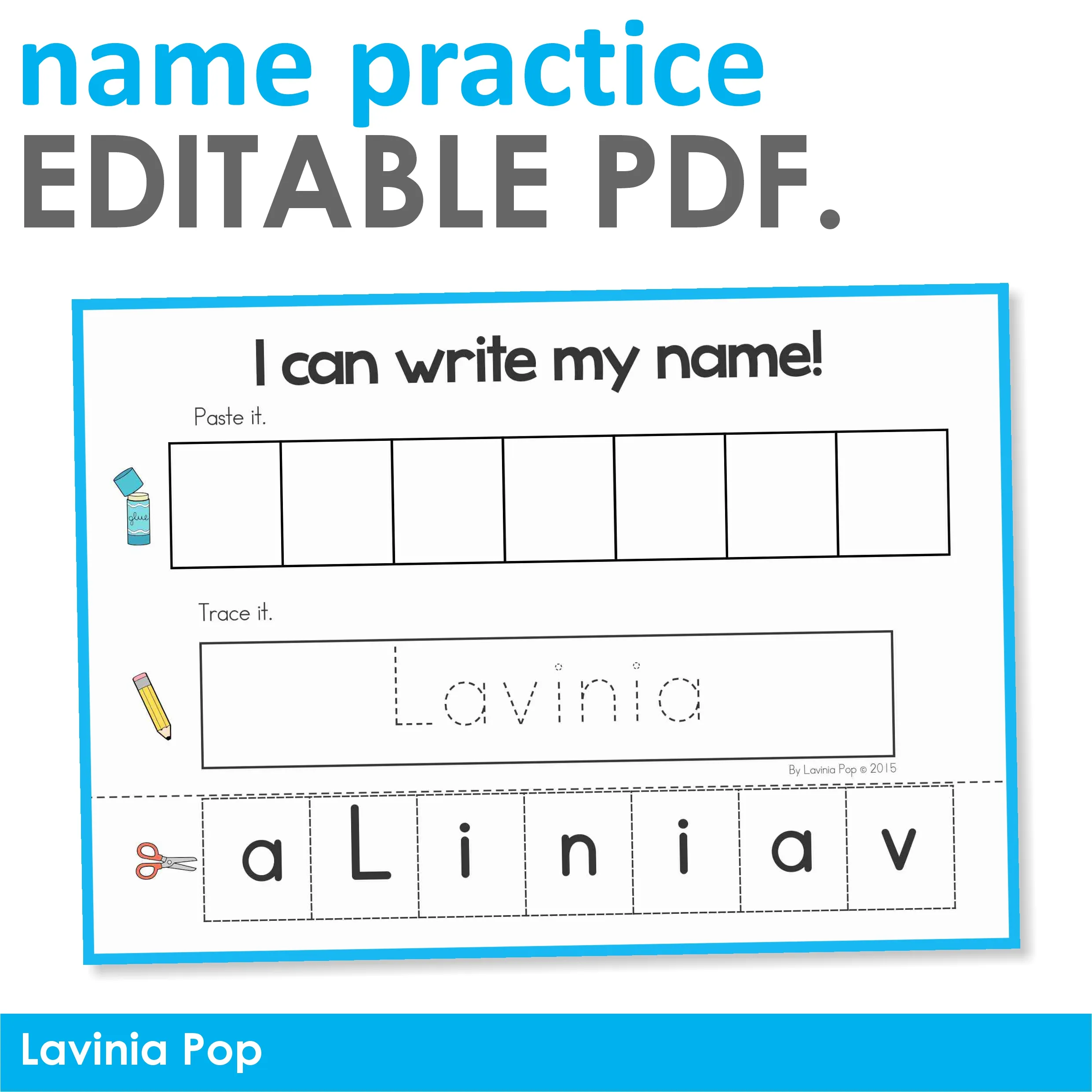
Parents' Guide to Choosing Effective Name Writing Practice Printable Resources
Teaching a child to write their own name is one of the most exciting milestones in early childhood development. It is often a child's very first introduction to meaningful literacy—connecting letters on a page to their own unique identity. For parents looking to support this journey at home, finding the right tools can make all the difference. Utilizing a quality parents' guide to choosing effective name writing practice printable resources ensures that you select worksheets that are not only fun, but developmentally appropriate and pedagogically sound.

With thousands of free and paid worksheets available online, it is easy to feel overwhelmed. Not all printables are created equal. Some feature fonts that confuse young learners, while others lack the scaffolding necessary for a child who is just learning how to hold a pencil correctly. This guide will walk you through what to look for, what to avoid, and how to maximize the value of these resources at home.
Understanding Developmental Readiness for Name Writing
Before downloading reams of worksheets, it helps to understand where your child is on their fine motor journey. Writing a name requires hand-eye coordination, finger strength, and bilateral coordination (using both hands together—one to hold the pencil and one to stabilize the paper).
Ages and Stages
Most children begin showing an interest in letters between ages three and four. However, independent name writing typically emerges around ages four to five (preschool and transitional kindergarten).
- Ages 2-3: Focus on pre-writing strokes (vertical lines, horizontal lines, circles) rather than full names.
- Ages 3-4: Ready for tracing capital letters, especially the first letter of their name.
- Ages 4-5: Ready for tracking a full first name using dotted lines or fading guides.
Key Features of Effective Name Writing Practice Printables
When evaluating a printable resource, look for specific design elements that support cognitive and physical development in young children.
1. Font Style and Letter Formation
The font used on the worksheet is critical. Avoid overly stylized or decorative fonts. Instead, look for resources that use standard school fonts (such as Zaner-Bloser, D'Nealian, or simple Block Print). Check for these specific typography rules:
- Capitalize only the first letter, with lowercase letters for the rest (unless the child's name is very short and traditionally all caps). Capitalizing every letter can form bad habits for future writing instruction.
- Clear starting dots or directional arrows that show the child where to begin each stroke (e.g., starting at the top to make a lowercase 'l').
- Sufficient spacing between letters so the child does not feel cramped.
2. Graduated Scaffolding
The best printable packs do not just offer one static worksheet. They provide a progression of skill levels:
- Level 1: Trace and Copy. Full tracing lines with directional cues.
- Level 2: Partial Tracing. The first half of the name is traced, while the second half requires independent writing on a blank line.
- Level 3: Independent Practice. A model at the top of the page, with blank primary lines below for independent attempts.
3. Primary Lined Paper
Video: Discover the key to teaching preschoolers name writing: using three lines for guidance, tracing, and
Look for printables that use standard kindergarten primary lines (top line, dashed middle baseline, and bottom baseline). This helps children understand letter sizing and placement—knowing which letters "hang low" like 'g' and 'y', and which stay small like 'a' and 'c'.

Customization vs. Generic Templates
Generic alphabet sheets are helpful, but children lose interest quickly if the work isn't personal. Name-writing printables must be customizable.
Many websites offer free generators where you can type your child's specific name, and the site instantly generates custom handwriting sheets. Look for generators that let you adjust the font size, line weight, and dotted-line spacing to match your child's current visual-motor capabilities.
How to Make Practice Engaging and Frustration-Free
Even the best printable resource will gather dust if practice sessions turn into a battle of wills. Keep these strategies in mind to maintain a positive atmosphere.
Keep Sessions Short
Young children have short attention spans and developing hand muscles that fatigue quickly. Aim for 3 to 5 minutes a day, max. Consistency yields far better results than marathon weekend sessions.
Inhibiting Fatigue with Multisensory Activities
Writing on paper is only part of the equation. Before breaking out the printables, try building the name with playdough, tracing the letters in a tray of colored sand, or using chunky dry-erase markers on laminated sheets.
Celebrate Small Wins
Praise effort over perfection. If your child writes the first letter of their name correctly, celebrate that victory. Mistakes are a natural part of motor learning, so keep a soft eraser nearby and approach errors with a lighthearted attitude.
Conclusion
Choosing the right name writing practice printable resources comes down to matching the worksheet's design to your child's developmental stage. By prioritizing clear fonts, proper primary lines, and graduated scaffolding, you can turn a simple writing exercise into a rewarding confidence boost. Keep practice short, fun, and personalized, and watch your child take their first proud steps toward independent literacy.