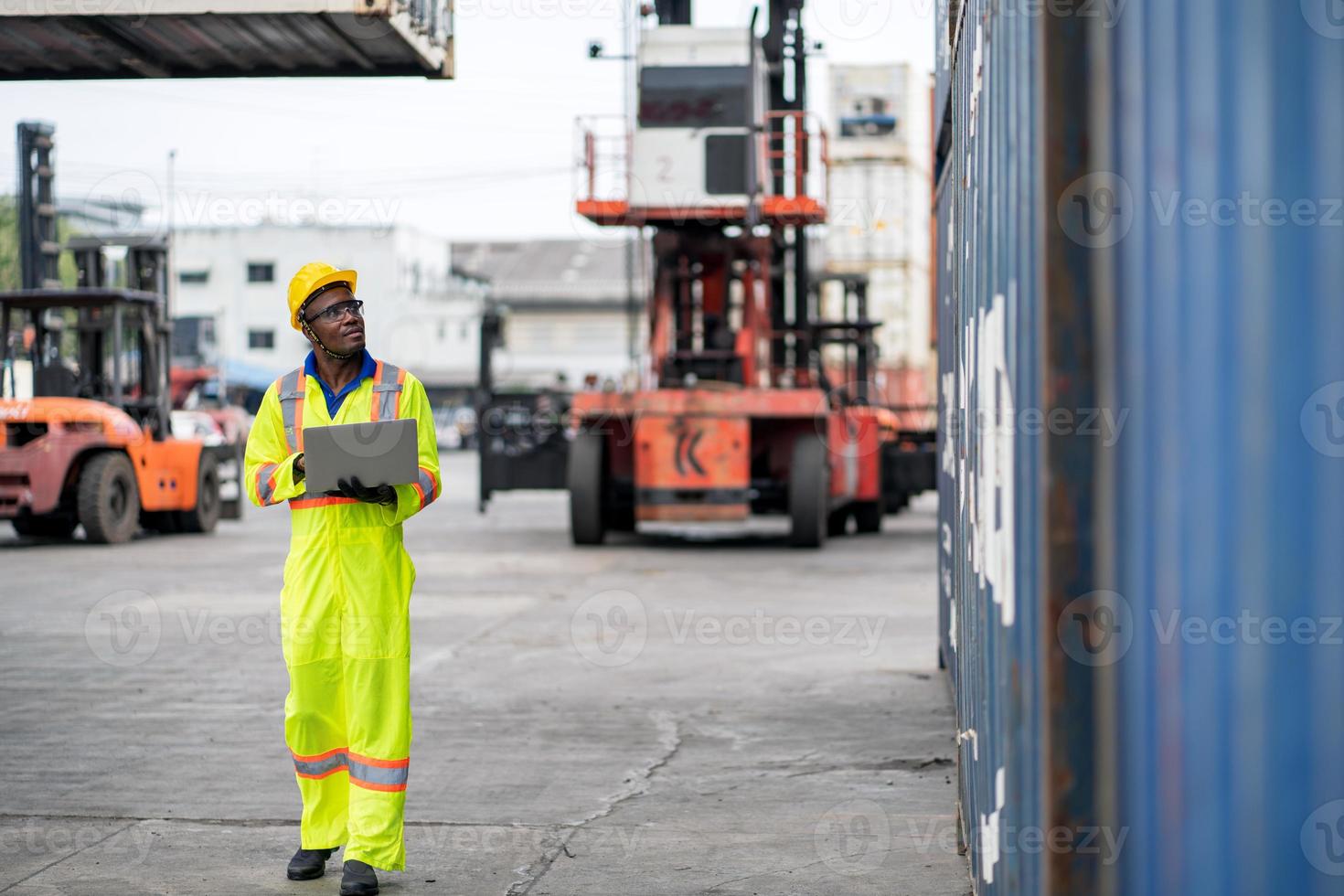
Part Time Dock Worker: Pay, Shifts & Job Guide
E-commerce and modern supply chains run around the clock, creating steady demand for workers who keep freight moving through sorting hubs, cross-docks, and distribution centers. Working as a part time dock worker offers an accessible entry point into the logistics industry, providing competitive hourly pay, flexible scheduling, and a reliable way to supplement an income or work around school hours.

Whether you need a secondary income, a workout you get paid for, or a bridge into a long-term logistics career, understanding the realities of dock operations will help you decide if the role aligns with your goals.
What Does a Dock Worker Actually Do?
At its core, dock work revolves around loading, unloading, sorting, and securing freight. Dock workers operate primarily on the loading platform—the interface between warehouse storage floors and commercial tractor-trailers or shipping containers.
A typical four-to-six-hour shift involves several core responsibilities:
- Unloading inbound trailers: Using powered industrial trucks, manual pallet jacks, or hand-unloading loose cargo (known as floor-loaded freight).
- Sorting and staging: Inspecting shipping labels, using handheld RF (radio frequency) scanners, and directing shipments to assigned dock doors for outbound departure.
- Trailer loading (cube utilization): Loading outbound freight systematically. Dock workers must balance weight distribution and stack boxes securely—much like playing real-life Tetris—to prevent transit damage.
- Freight inspection and documentation: Identifying damaged packages, reporting discrepancies on bills of lading (BOL), and noting hazardous material placards.
- Housekeeping and dock safety: Sweeping dock plates, clearing shrink-wrap debris, and setting wheel chocks or trailer dock-lock systems.
Typical Shifts and Scheduling Flexibility
One of the biggest advantages of working part-time on a freight dock is schedule flexibility. Logistics facilities operate on continuous sort cycles designed around regional trucking schedules, creating non-traditional shift blocks that fit neatly around college classes, daytime jobs, or family duties.
Common Shift Windows
- Sunrise / Morning Sort (approx. 4:00 AM – 9:00 AM): Freight arrives from regional hubs early in the morning. Workers unload and organize shipments so local delivery drivers can depart by 8:30 or 9:00 AM.
- Twilight Sort (approx. 5:00 PM – 10:00 PM): Local drivers return with daily pickups. Dock workers sort inbound cargo into line-haul trailers bound for other cities overnight.
- Night / Midnight Sort (approx. 10:30 PM – 3:30 AM): Primarily focused on cross-docking intercity freight at major transport hubs.
- Weekend Shifts: Concentrated weekend blocks (e.g., Saturday and Sunday mornings) tailored for students or individuals already working full-time Monday through Friday.
Hourly Wages, Benefits, and Shift Differentials
Pay rates for dock positions remain competitive due to the physical nature of the role and the constant demand for fast turnaround times.
In the United States, part-time dock workers typically earn between $17.00 and $24.00 per hour, depending on the region, company, and equipment requirements. Workers operating heavy machinery like sit-down counterbalance forklifts usually earn toward the higher end of that spectrum.
Additional financial perks often include:

- Shift differentials: Many carriers pay an additional $1.00 to $3.00 per hour for late-night, early-morning, or weekend shifts.
- Tuition assistance: Major carriers (such as UPS and FedEx Ground) are well known for providing tuition reimbursement to part-time package and dock handlers after a probationary period.
- Health coverage: While many part-time jobs offer no health benefits, unionized freight terminals and select global logistics firms provide medical benefits even to workers averaging 20 to 25 hours per week.
Physical Demands and Safety Realities
Dock work is physically rigorous. It is not an environment where you sit behind a terminal; it requires constant movement, lifting, bending, and situational awareness.
Before applying, consider these working conditions:
- Lifting thresholds: Most employers require the ability to lift up to 50 pounds repeatedly, and occasionally maneuver team-lift items up to 70 pounds or more.
- Temperature fluctuations: Loading docks open directly to the outdoors. While facilities use dock seals, the dock floor will be cold in the winter and humid in the summer.
- Safety equipment: Steel-toed or composite-toed safety boots with slip resistance are mandatory, alongside high-visibility vests, cut-resistant gloves, and hearing protection where required.
- Industrial traffic: You must stay alert at all times. Forklifts, walkie-stackers, and tuggers move quickly through narrow staging lanes.
How to Get Hired as a Part Time Dock Worker
Securing a position does not typically require prior logistics experience, making it an accessible role if you are dependable and ready to work.
- Target the right employers: Look for less-than-truckload (LTL) motor carriers (such as Old Dominion Freight Line, Saia, Estes Express, and XPO), express parcel delivery services (FedEx, UPS, DHL), and third-party logistics (3PL) warehouse providers.
- Highlight transferable skills: If you have worked in construction, landscaping, retail stocking, or sports conditioning, highlight your stamina, teamwork, and reliability on your resume.
- Meet the baseline criteria: Applicants generally must be at least 18 years old, possess legal work authorization, and pass a pre-employment drug screening and background check.
- Obtain equipment certifications (optional but helpful): While most companies train and certify you in-house for OSHA forklift compliance, having prior experience with pallet jacks or order pickers gives your application an immediate edge.
Pros and Cons at a Glance
The Advantages
- Predictable short shifts that leave the majority of your day open.
- Built-in physical exercise, reducing the need for gym memberships.
- Strong union presence in certain carriers, providing contract stability and grievance structures.
- Straightforward work with measurable metrics and minimal customer-facing stress.
The Drawbacks
- Fatigue and physical wear if proper lifting techniques are ignored.
- Exposure to seasonal weather extremes on drafty docks.
- Strict punctuality rules; logistics schedules are tied directly to freight departure cutoffs.
Career Advancement: Where Can Dock Work Lead?
Starting on the dock is one of the most reliable ways to build a career in transportation and supply chain management. Many logistics managers, dispatchers, and operations directors began their careers loading trailers part-time.
A particularly lucrative route is the "Dock-to-Driver" program. Because commercial truck drivers remain in high demand, several national LTL freight companies sponsor internal dock workers to attend driving academies, earn their Class A Commercial Driver’s License (CDL), and transition into regional or line-haul driving jobs paying $80,000 or more per year.
If you value steady hours, active work, and clear pathways to promotion, taking on a part-time dock role can be a practical, profitable career step.