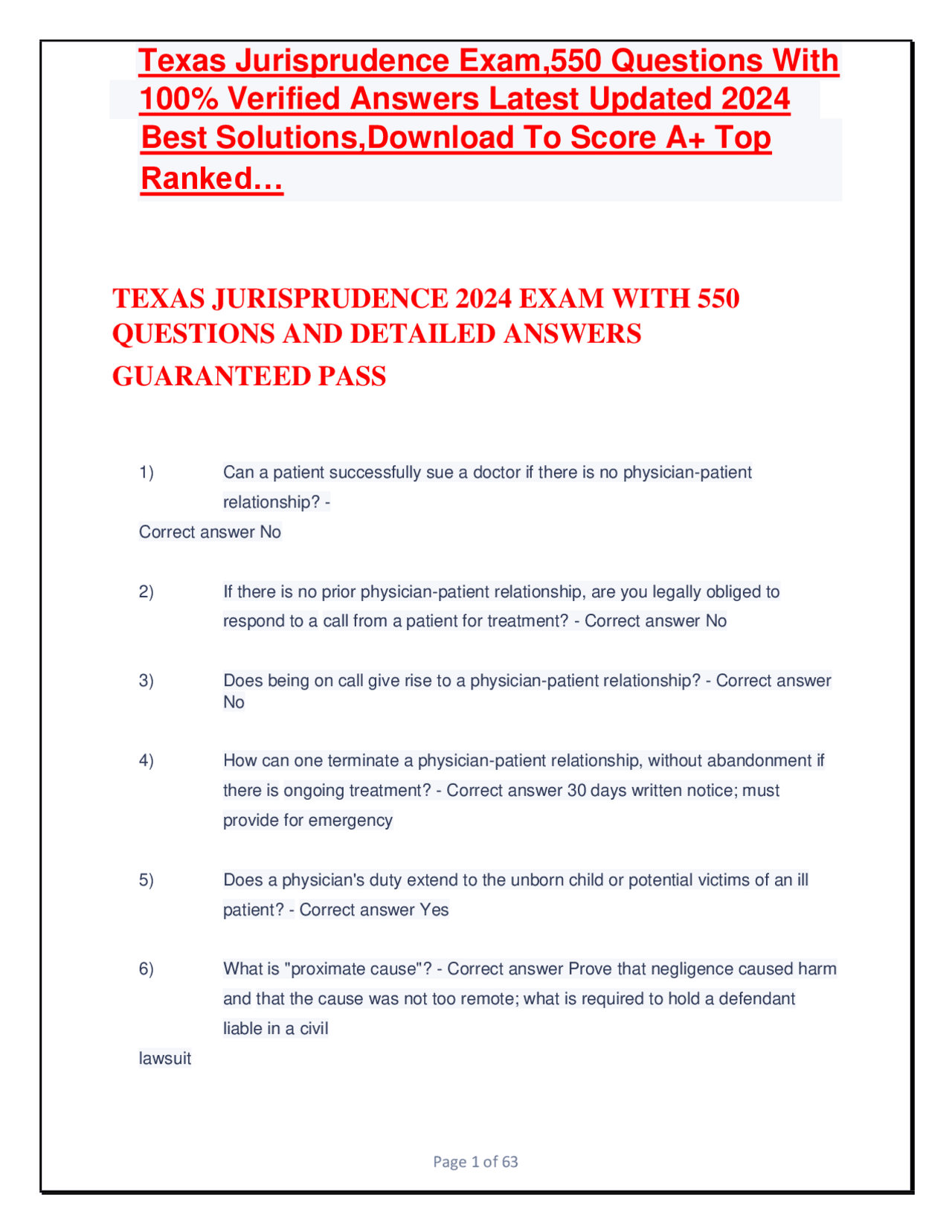
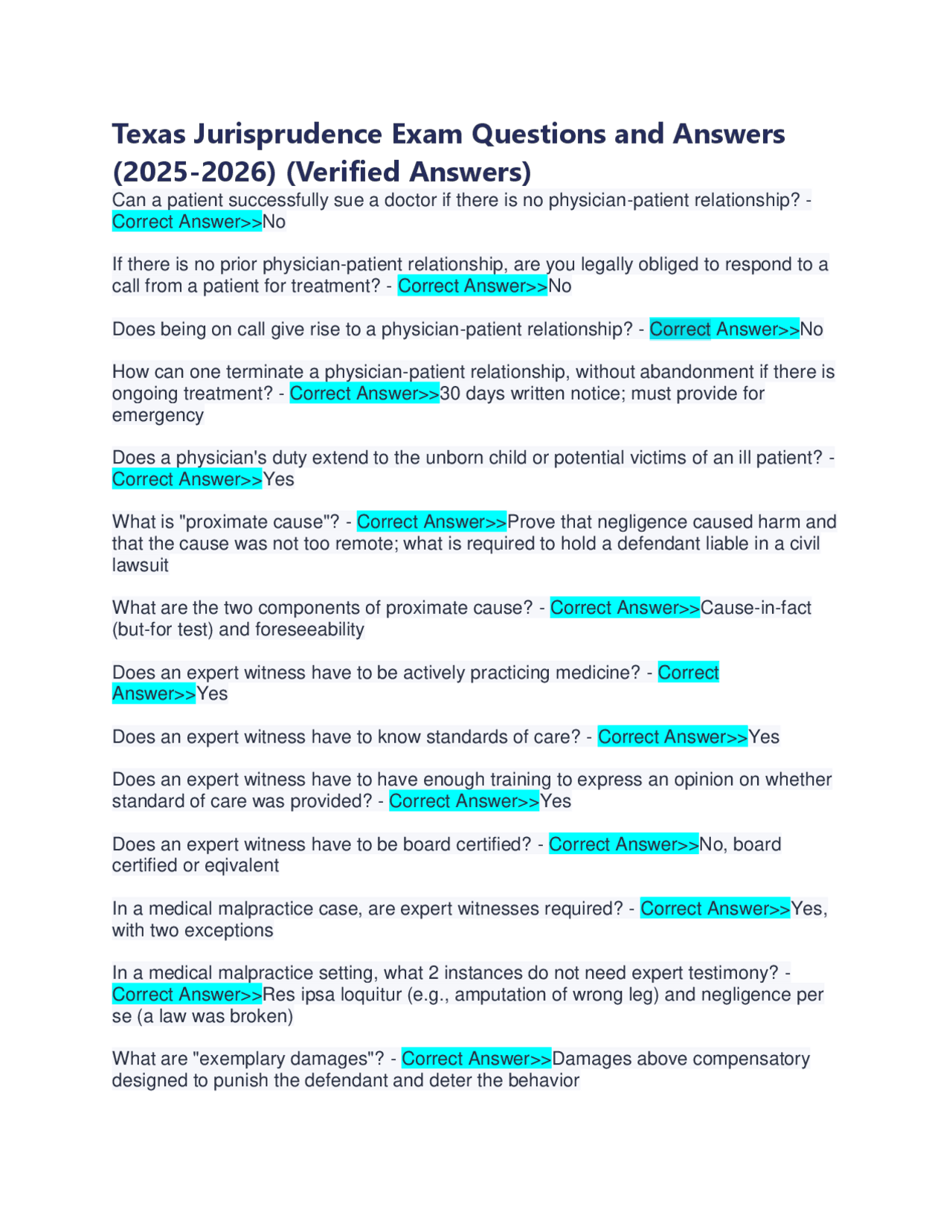
Pass the Texas Social Work Jurisprudence Exam Fast
Passing the state board test is the final hurdle standing between you and your professional practice in the Lone Star State. Whether you are stepping up as an LMSW or preparing for your clinical credentials, understanding the legal and ethical framework of Texas is mandatory. If you want to unlock instant Texas Social Work Jurisprudence Exam success, you need a targeted study strategy that cuts through dense legal jargon and focuses on what actually appears on the test.

Unlike clinical or policy-heavy exams like the ASWB, the Texas jurisprudence test evaluates your knowledge of the Texas State Board of Social Work Examiners (TSBEP) rules, the Texas Occupations Code, and professional ethics. Because it is an open-book exam administered online, many candidates mistakenly assume they can simply search for answers in real time. This mistake often leads to running out of time or misinterpreting tricky legal phrasing. Proper preparation is essential.
Understanding the Texas Social Work Jurisprudence Exam Format
Before diving into study materials, you need to know what to expect on test day. The jurisprudence exam is a computer-based, multiple-choice test designed to measure your familiarity with the laws and rules governing social work practice in Texas.
- Format: Multiple-choice questions, typically administered online through a designated testing portal.
- Content: Focuses strictly on Texas Administrative Code (TAC) Title 22, Part 34, and the Texas Occupations Code Chapter 503.
- Passing Score: You generally need a passing score of 70% or higher, though requirements should always be double-checked via the official Behavioral Health Executive Council (BHEC) website.
Because the test is open-book, organization is your greatest asset. Do not waste precious minutes scrolling endlessly through raw legal documents. Instead, learn how to navigate the source materials efficiently or use structured study guides that organize the rules logically.
Core Topics You Must Master
To pass on your first attempt, focus your study sessions on the high-yield areas that the TSBEP emphasizes most. The exam repeatedly tests specific operational boundaries and ethical mandates.
1. Scope of Practice and Licensure Types
You must clearly understand the legal differences between a Licensed Social Worker (LSW), a Licensed Master Social Worker (LMSW), a Licensed Clinical Social Worker (LCSW), and those holding advanced practice recognitions. Know exactly what tasks each license tier can independently perform, supervision requirements for clinical candidates, and the rules regarding title usage.
2. Code of Ethics and Professional Boundaries
Texas law is extremely strict regarding dual relationships, sexual misconduct, and client confidentiality. Pay close attention to:
- Mandatory waiting periods before entering into any personal or business relationships with former clients.
- Strict prohibitions against sexual contact with clients, supervisees, and students.
- Informed consent protocols, especially regarding minors and involuntary clients.
3. Confidentiality and HIPAA in Texas
While federal HIPAA guidelines apply, Texas has its own medical privacy laws—such as the Texas Medical Records Privacy Act—which are often more stringent. You will see scenarios testing when you are legally obligated or permitted to breach confidentiality, such as suspected abuse of children or elderly individuals, or when a client poses an imminent danger to themselves or others.
4. Disciplinary Actions and Violations

What happens when a social worker steps out of bounds? The exam covers the disciplinary process managed by BHEC. Familiarize yourself with administrative penalties, license suspension triggers, mandatory reporting of unethical peer behavior, and the timeline for reporting criminal arrests or convictions to the board.
Actionable Steps to Unlock Instant Texas Social Work Jurisprudence Exam Success
Studying for a law-based exam can feel tedious, but you can streamline the process with a disciplined, step-by-step approach.
Download and Organize the Source Material
Go directly to the BHEC website and download the current Texas Social Work Practice Act and the board rules. Create digital bookmarks or color-code a printed binder for quick referencing during the exam. Key sections to flag include definitions, disciplinary actions, and ethical standards.
Take Practice Quizzes
Reading the law is not enough; you must test your ability to apply it. Look for reputable practice tests that mimic the style of the TSBEP exam. When you miss a question, read the rationale and locate the exact rule in the Texas Administrative Code. This reinforces your navigation skills and highlights your weak spots.
Master Time Management
Even though the exam is untimed or offers a generous window, candidates frequently struggle because they treat every question as a scavenger hunt. Practice looking up answers to sample questions beforehand so you develop a rhythm. For straightforward questions regarding definitions or timelines, rely on your memory rather than searching the text to save time.
Final Exam Day Tips
On the day of your test, create a distraction-free environment if you are taking it remotely. Ensure your computer meets all proctoring and browser requirements to avoid technical glitches.
Read every question carefully, paying attention to words like "EXCEPT," "MUST," or "MAY." Legal questions hinge on precise wording. If a scenario asks what a social worker must do legally versus what they should do ethically, anchor your choice to the explicit rule rather than general clinical intuition.
By organizing your materials, mastering the core ethical boundaries, and practicing active rule-referencing, you will easily conquer this final step. Put these strategies into practice today to secure your credentials and step confidently into your Texas social work career.