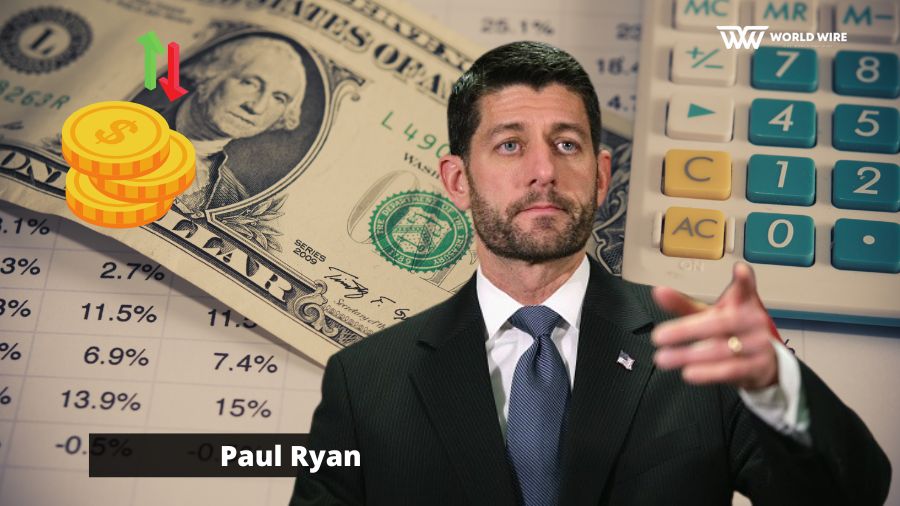
Paul Ryan’s Net Worth and Political Power
Introduction

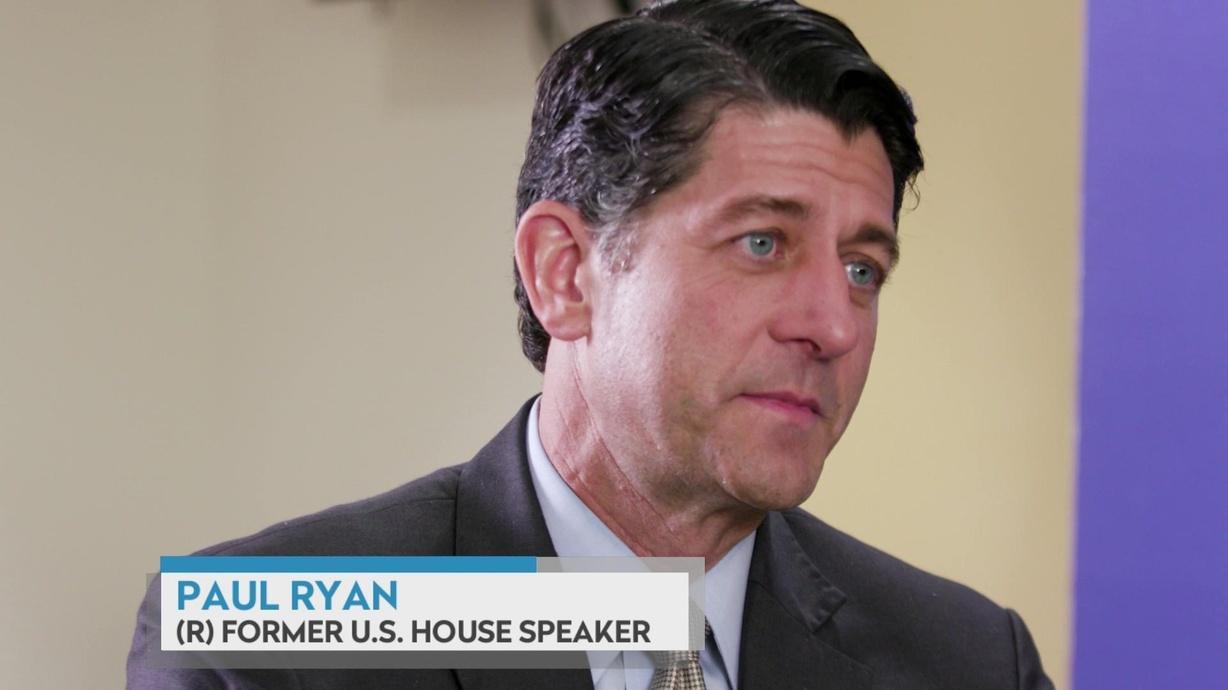
When Paul Ryan stepped down as Speaker of the House in January 2019, it marked the end of a high-profile legislative career that spanned two decades. Known as a policy wonk, the 2012 Republican vice-presidential nominee, and the chief architect of sweeping tax reform, Ryan left a permanent mark on American governance. Beyond his legislative legacy, public fascination frequently centers on Paul Ryan’s net worth and political power. Today, Ryan operates primarily in the private sector and corporate boardrooms, yet his influence within conservative circles and his personal wealth continue to draw significant public interest.
The Rise of a Conservative Policy Leader
Paul Ryan’s entry into national politics began in Janesville, Wisconsin, where he was elected to the House of Representatives in 1998 at just 28 years old. Early in his tenure, he positioned himself as a fiscal conservative deeply concerned with the long-term solvency of entitlement programs like Social Security and Medicare.
Ryan gained national prominence as the author of 'The Path to Prosperity,' a series of federal budget proposals that aimed to dramatically slash government spending, repeal the Affordable Care Act, and overhaul the tax code. These budget blueprints made him a hero to fiscal conservatives and tea party Republicans, even as they drew fierce criticism from Democrats who argued the plans favored the wealthy and gutted social safety nets.
The Speakership and the Trump Era
Ryan’s political power peaked in October 2015 when he was reluctantly elected Speaker of the House following the resignation of John Boehner. Though he initially expressed hesitation about taking the job, Ryan wielded the gavel during a tumultuous period in American politics, navigating a fractured Republican caucus and managing the legislative agenda under President Donald Trump.
- The Tax Cuts and Jobs Act of 2017: Considered Ryan’s ultimate legislative achievement as Speaker, this sweeping overhaul lowered corporate tax rates and temporarily reduced individual income taxes.
- Navigating the Trump White House: Ryan often played the role of institutionalist mediator, attempting to balance traditional conservative orthodoxy with the populist demands of the Trump administration.
- The Retirement Decision: By 2018, recognizing shifting political dynamics and ideological friction within his party, Ryan announced he would not seek re-election, securing his legacy as one of the longest-serving modern Republican leaders.
Estimating Paul Ryan’s Net Worth
While public officials are not required to disclose exact net worth figures, financial disclosure forms filed during his congressional career provide a clear picture of Paul Ryan’s net worth and political power dynamics. When he first entered Congress, Ryan was a relatively modest earner. Over time, however, his financial profile grew substantially, driven by family inheritance, book royalties, prudent investments, and a lucrative post-political career.
Video: CNN Town Hall With Paul Ryan: Conservative Cancer Survivor Thanks Obama & ACA For Saving His Life

Estimates place Paul Ryan’s net worth anywhere between $6 million and $10 million. This wealth accumulation stems from several distinct sources:
- Family Inheritance and Real Estate: Ryan married Janna Little, a tax attorney whose family background and inheritance contributed significantly to their combined household assets. Real estate investments in Wisconsin and Washington, D.C., have also appreciated steadily over the decades.
- Congressional Salary and Book Royalties: As Speaker of the House, Ryan earned an annual salary of $223,500, supplemented by earnings from his 2014 policy book, *The Way Forward*.
- Corporate Board Memberships: Since leaving Congress, Ryan has capitalized on his extensive network and policy expertise by joining high-profile corporate boards, which typically offer lucrative compensation packages, including stock options and annual retainers.
Post-Congressional Influence and Corporate Roles
Leaving elected office did not mean leaving the world of high finance and strategic influence. In fact, Ryan’s transition to the private sector has significantly accelerated his wealth generation while maintaining his behind-the-scenes political leverage.
Ryan currently serves on the board of directors for several major corporations, including Fox Corporation and utility giant Solarium. Additionally, he became a partner and vice chairman at Teneo, a prominent global CEO advisory firm. These positions allow him to advise top corporate executives on regulatory matters, economic trends, and geopolitical risks, bridging the gap between Wall Street and Washington.
Think Tanks and the Battle for the GOP Soul
Beyond his corporate roles, Ryan remains active in public policy through organizations like the American Enterprise Institute (AEI), where he focuses on poverty, economic opportunity, and conservative governance. He also founded the American Idea Foundation, a nonprofit aimed at utilizing data-driven solutions to combat poverty at the local level.
Politically, Ryan continues to position himself as a traditional, pro-business, free-market conservative. While the modern Republican Party has shifted largely toward populist nationalism under Donald Trump, Ryan occasionally speaks out on the direction of the GOP, advocating for fiscal responsibility and global alliances. His ability to command media attention and fundraise for aligned candidates ensures that his political voice carries weight, even without a seat in Congress.
Conclusion
Paul Ryan’s trajectory offers a classic blueprint for modern American political success: a rapid ascent through the legislative ranks, a stint leading one of the most powerful institutions in government, and a lucrative transition into corporate advisory and board governance. Today, Paul Ryan’s net worth reflects both his successful post-political ventures and his integration into elite corporate circles. Though the halls of Congress have been renamed and the Republican Party has evolved past his specific brand of fiscal conservatism, Ryan remains a notable figure whose economic resources and strategic insights continue to influence the broader American political landscape.