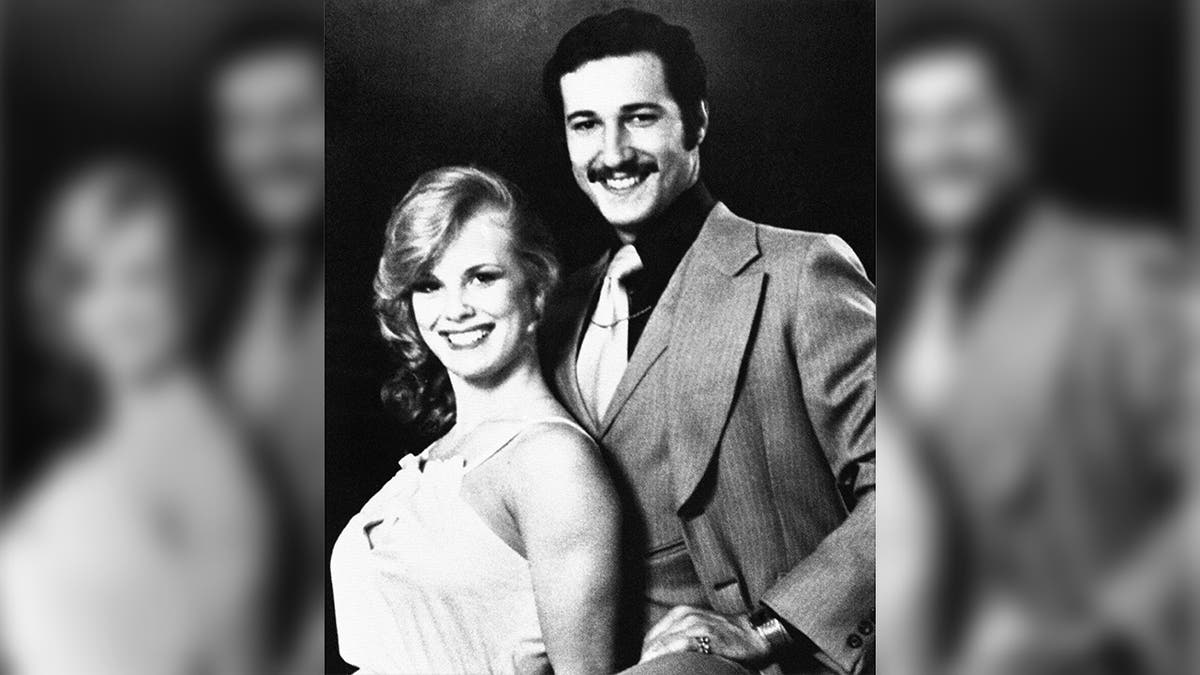
Paul Snider: The Tragic Story Behind Star 80
In the late 1970s, the American entertainment industry was captivated by Dorothy Stratten, an ethereal blonde from Vancouver who quickly rose from small-town obscurity to become the 1980 Playboy Playmate of the Year and an emerging Hollywood actress. Yet, behind Stratten’s meteoric rise was a deeply unsettling figure: Paul Snider, her husband, manager, and ultimately, her killer. The story of Snider is not merely a footnote in true crime history; it is a chilling case study in coercive control, narcissistic ambition, and the destructive consequences of unchecked obsession.

Who Was Paul Snider?
Born in Vancouver, British Columbia, in 1951, Paul Snider was a local hustler and self-styled entrepreneur. Throughout his early twenties, he drifted between various low-level ventures, working as a pimp, club promoter, and purveyor of auto accessories. Snider cultivated an image defined by flashy suits, rented luxury cars, and a carefully practiced charm designed to project wealth and industry connections he did not actually possess.
Acquaintances from his youth often described him as intensely charismatic yet transparently opportunistic. Snider was obsessed with the idea of making it big in show business, viewing personal relationships primarily through the lens of transactional leverage. What he lacked in creative talent or legitimate industry standing, he sought to make up for through relentless self-promotion.
The Meeting with Dorothy Stratten
In 1977, Snider met 17-year-old Dorothy Ruth Hoogstraten while she was working at a local Dairy Queen in Vancouver. Stratten was striking, shy, and unaware of her commercial appeal. Snider immediately recognized her potential as his personal ticket to the upper echelons of the entertainment world.
Snider began an aggressive courtship, grooming the young teenager by showering her with lavish gifts, introducing her to adult nightlife, and convincing her that she possessed the makings of an international star. In 1978, Snider orchestrated a professional photoshoot for her, convincing her to submit the images to Playboy magazine. Because Stratten was still a minor under Canadian law at the time, Snider allegedly forged her mother’s signature on the release forms.
Relocation to Los Angeles
Hugh Hefner and the editorial staff at Playboy saw immediate star quality in Stratten. She was invited to Los Angeles, where she was selected as a Playmate, adopting the stage name Dorothy Stratten. Snider accompanied her as her manager and romantic partner, eager to plant his flag in the Playboy Mansion social circle.
In June 1979, Snider and Stratten were married in Las Vegas. Friends and colleagues later observed that Stratten entered the marriage largely out of a misplaced sense of loyalty and obligation rather than genuine romantic passion. Snider had positioned himself as the architect of her success, creating a psychological dynamic where she felt indebted to him for her career.
The Downward Spiral of Paul Snider
Video: The Story of Paul Snider
While Stratten’s career flourished, Snider found himself increasingly sidelined. Studio executives, photographers, and high-profile figures recognized his predatory demeanor and actively sought to exclude him from professional meetings. Snider attempted various ventures—including an effort to take credit for the launch of the male exotic dance troupe Chippendales—but his reputation as a parasitic hanger-on repeatedly stalled his ambitions.

Snider’s behavior became progressively erratic as Stratten’s independence grew. The critical turning point arrived in early 1980 when Stratten was cast in the romantic comedy They All Laughed, directed by Peter Bogdanovich. During filming in New York, Stratten and Bogdanovich fell deeply in love. Stratten realized she could build a fulfilling life away from Snider’s volatile influence.
Upon her return to Los Angeles, Stratten informed Snider that their marriage was over and moved into Bogdanovich’s residence. Stripped of the woman who represented his identity, financial stability, and status, Snider unraveled:
- Surveillance: He hired private investigator Eugene Ingram to follow Stratten and Bogdanovich, documenting their movements.
- Isolation: He stayed in the West Los Angeles house the couple had previously shared, brooding and alienating former friends.
- Weapon Acquisition: In August 1980, Snider purchased a used 12-gauge shotgun from a private seller through a local classified advertisement.
August 14, 1980: The Tragic Climax
On August 14, 1980, Snider convinced Stratten to meet him at his rented home on Montana Avenue in West Los Angeles. He claimed the meeting was necessary to discuss financial settlements and an amicable divorce. Stratten, hoping to help Snider transition into an independent life and provide him with financial support, agreed to the private meeting.
Inside the house, Snider subjected Stratten to physical restraint and sexual violence before shooting her in the face with the shotgun, killing her instantly. Several hours later, after pacing the residence and making brief phone calls, Snider turned the weapon on himself. Both bodies were discovered later that evening by Snider’s roommates and private investigator.
Media Portrayals and Cultural Impact
The tragedy sent shockwaves through Hollywood and prompted widespread media scrutiny regarding the exploitation of young women in the modeling and film industries. Journalist Teresa Carpenter authored an exhaustive investigative piece titled “Death of a Playmate” for The Village Voice, which won the 1981 Pulitzer Prize for Feature Writing. Carpenter’s reporting was deeply critical not only of Snider, but also of the Hollywood and Playboy machinery that enabled his proximity to power.
Snider’s life and crimes have been analyzed in multiple film and television adaptations:
- Death of a Centerfold: The Dorothy Stratten Story (1981): A television film starring Jamie Lee Curtis as Stratten and Bruce Weitz as Snider.
- Star 80 (1983): Directed by Bob Fosse, this feature film offered an unflinching, psychologically intense portrait of the tragedy. Actor Eric Roberts earned critical acclaim for his portrayal of Snider, depicting his toxic blend of insecurity, manipulation, and rage.
The Legacy of Coercive Control
In contemporary discussions of domestic abuse, Paul Snider is frequently examined as an archetype of intimate partner violence and coercive control. Snider’s behavior exhibited clear, modern red flags: isolating a vulnerable partner, taking credit for their accomplishments, financial exploitation, and escalating to fatal violence when that control was definitively broken.
Rather than an unpredictable crime of passion, the murder of Dorothy Stratten was the calculated culmination of Snider’s refusal to allow his victim personal and professional autonomy. Decades later, his name serves as a stark reminder of the lethal danger posed by possessive abusers lurking in the shadows of the entertainment industry.