Peach Jars Leaked: Market Trust Collapse Explained
In the fast-paced digital ecosystem, consumer trust is arguably the most fragile currency a brand or platform can hold. It takes years to build a loyal community, secure supply chains, and validate digital assets, but it takes only a single catastrophic event to tear it all down. Recently, users across multiple platforms experienced a jarring realization: Why You’re Suddenly Thinking Twice—Peach Jars Leaked and Market Trust Collapse captures the exact sentiment of disillusionment gripping the modern consumer base. What started as a localized digital breach quickly snowballed into a much larger conversation about privacy, platform reliability, and the hidden vulnerabilities of modern marketplaces.
The Anatomy of the Peach Jars Leaked Incident
To understand why this specific event resonated so deeply, we have to look at what actually happened. The term "Peach Jars" refers to a specialized niche product line and associated digital community that relied heavily on closed-ecosystem exclusivity. Consumers trusted these platforms with proprietary data, personal information, and subscription-based revenue.
However, security protocols failed. When the unauthorized files and proprietary data surfaced online, it wasn't just a simple data breach—it felt like a personal violation to the community members who had invested both money and emotional capital. The initial wave of shock quickly turned into anger as users realized how vulnerable their supposedly secure digital spaces actually were.
How Digital Vulnerability Spreads
Modern platforms pride themselves on encryption and secure cloud storage, yet human error and legacy software often leave backdoor vulnerabilities open. In the case of Peach Jars, investigators pointed to a combination of lax credential management and inadequate third-party auditing. When the leak occurred, it exposed not just media files, but underlying infrastructure weaknesses that made subsequent exploitation effortless for bad actors.
The Ripple Effect: Understanding the Market Trust Collapse
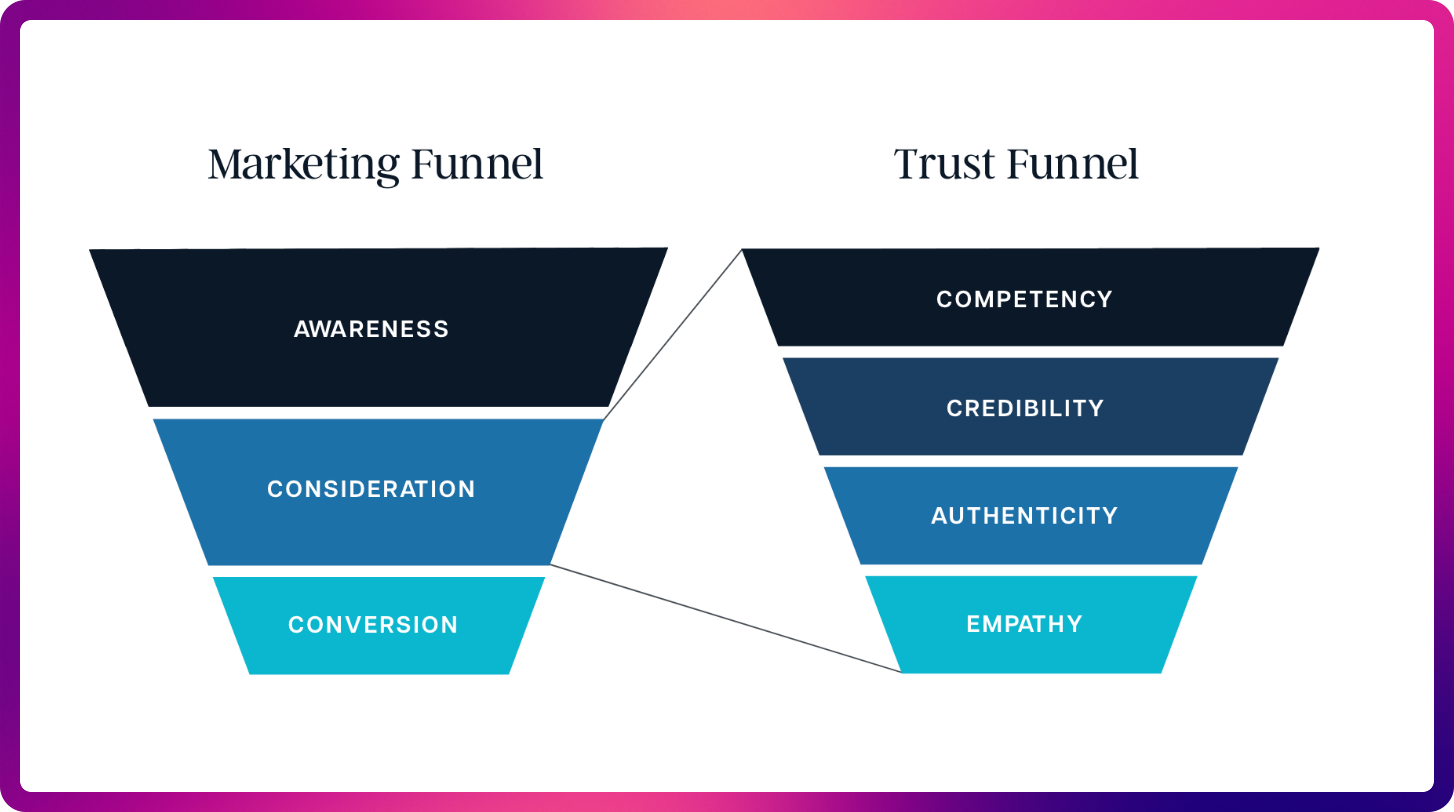
A data leak is rarely contained within a single app or website. When high-profile breaches occur, they act as a catalyst for a broader market trust collapse. Consumers begin to extrapolate their negative experience with one platform to the entire industry sector.
Video: PeachJars Gets Emotional Talking About Emiru

We are currently witnessing a profound psychological shift in how everyday users approach digital subscriptions, boutique e-commerce, and creator economies. People are asking fundamental questions about where their data goes, who has access to it, and whether digital ownership is nothing more than an illusion.
Key Symptoms of Widespread Market Fatigue
- Mass Unsubscriptions: Users are canceling recurring payments across multiple niche platforms to minimize their digital footprint.
- Heightened Skepticism: Consumers are demanding transparency reports and third-party security audits before engaging with emerging brands.
- Regulatory Scrutiny: Lawmakers are stepping in to investigate platform compliance, threatening heavier fines for inadequate data protection.
Rebuilding What Was Lost: Can Brands Recover?
When trust collapses, rebuilding it requires far more than a standard public relations apology or a generic security update email. Brands affected by similar incidents must fundamentally overhaul their operational philosophy. Moving forward, token gestures will no longer suffice in a market that has learned to be fiercely protective of its privacy.
Actionable Steps for Restoring Consumer Confidence
- Absolute Transparency: Companies must immediately disclose the exact scope of any breach without hiding behind corporate jargon.
- Zero-Trust Architecture: Adopting modern security frameworks ensures that even if one perimeter is breached, core user data remains heavily encrypted and segmented.
- Proactive Compensation: Offering genuine restitution—such as free identity theft monitoring, direct refunds, or verifiable security upgrades—demonstrates accountability.
Conclusion
The fallout from the Peach Jars controversy serves as a stark reminder that digital security is never a finished product; it is an ongoing commitment. As consumers continue to rethink their digital dependencies, platforms must elevate their standards to meet this new era of scrutiny. Until robust, verifiable security becomes the baseline rather than the exception, the shadow of market trust collapse will continue to influence every click, subscription, and purchase.