Peewee Herman’s Cultural Impact Tied to His Birth Year
When Paul Reubens introduced Pee-wee Herman to mainstream audiences in the early 1980s, the character felt both startlingly new and strangely familiar. Dressed in an ill-fitting gray glen-plaid suit, a red bow tie, and white patent-leather shoes, Pee-wee was an eccentric whirlwind of childlike petulance, infectious joy, and camp sensibility. Yet this pop-culture phenomenon was not conceived in a vacuum. When examining Peewee Herman’s cultural impact tied to his birth year—actionable insights emerge that explain how mid-century television culture, post-war consumerism, and countercultural irony fused to create one of the most singular icons in American entertainment history.

Born in 1952: The Mid-Century Blueprint of Pee-wee Herman
Paul Reubens was born Paul Rubenfeld on August 27, 1952, in Peekskill, New York, before growing up in Sarasota, Florida. Arriving in 1952 placed Reubens dead center in the post-WWII Baby Boom. More importantly, it positioned his earliest conscious years right alongside the birth of children’s broadcast television.
The early-to-mid 1950s witnessed the premier broadcast runs of seminal programs like Howdy Doody, Captain Kangaroo, The Pinky Lee Show, and The Mickey Mouse Club. For a child growing up in the 1950s, television was not merely entertainment; it was an intimate, domestic ritual that introduced early consumer culture directly into the living room.
Reubens absorbed the DNA of this period:
- The Earnest Host Archetype: Figures like Buffalo Bob Smith and Captain Kangaroo spoke with relentless, paternal earnestness, modeling behavioral etiquette for post-war youth.
- The Living Toy Chest: Shows of that era surrounded hosts with mechanized puppets, anthropomorphic clocks, and inanimate objects that spoke, creating a magical domestic environment.
- Cold War Conformity vs. Manic Escapism: Post-war America demanded strict social decorum, which made manic clowns like Pinky Lee—who danced frenetically until he literally collapsed on air—both thrilling and transgressive.
Without the specific media landscape of 1952 through 1960, Pee-wee Herman could never have existed. The entire character is a hyper-concentrated distillation of mid-century broadcast innocence, filtered through the psychological perspective of a child who refused to grow up.
The Cultural Clash: 1950s Nostalgia Meets 1980s Postmodernism
By the time Reubens reached adulthood in the 1970s, the innocent sheen of the 1950s had been shattered by the Vietnam War, the civil rights struggle, and the counterculture movement. Reubens studied theater at the California Institute of the Arts (CalArts) and joined the legendary Los Angeles improvisational troupe The Groundlings in the late 1970s.
It was here that his 1952 birth year paid artistic dividends. Rather than rejecting the sanitized television of his youth, Reubens did something far more radical: he embraced it with razor-sharp postmodern irony. At The Groundlings, Pee-wee Herman emerged not as a sincere kiddie-show host, but as a parody of a frustrated, mediocre stand-up comic attempting to act like a 1950s children’s entertainer.
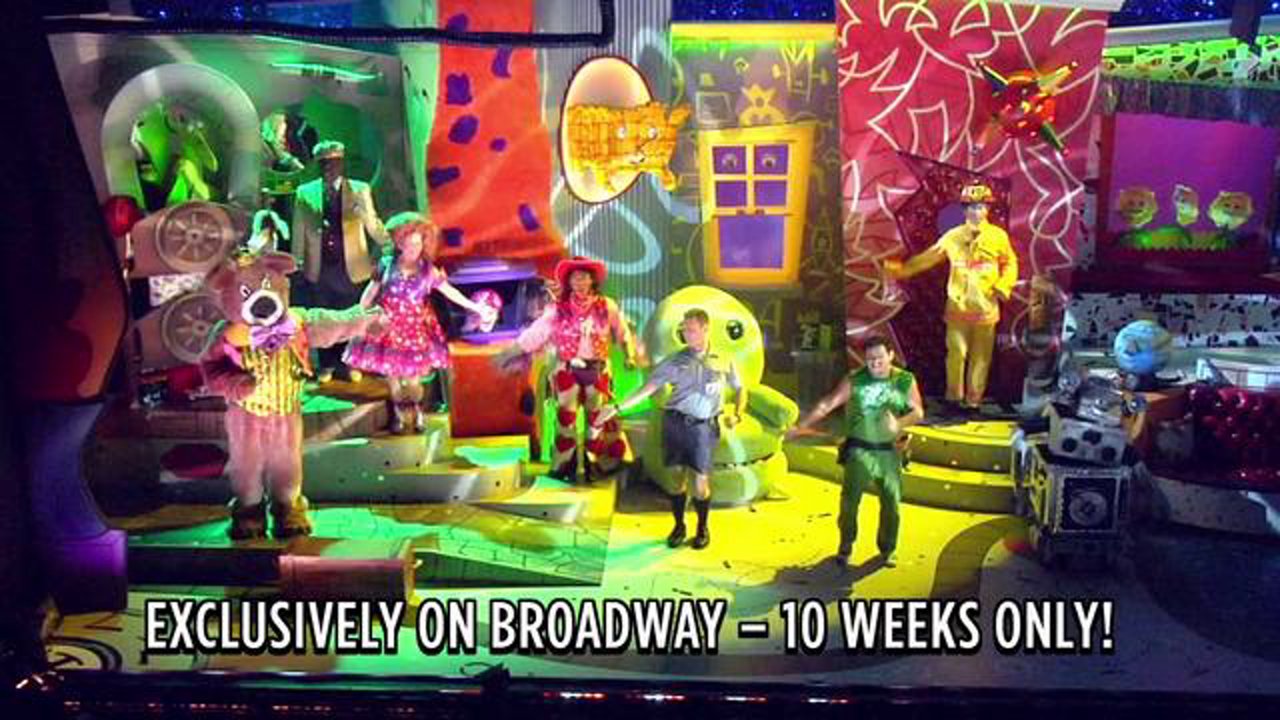
When The Pee-wee Herman Show debuted at The Roxy Theatre in West Hollywood in 1981, it was an underground hit aimed squarely at adults. It traded on innuendo, double entendres, and camp aesthetic. Yet when CBS greenlit Pee-wee’s Playhouse in 1986, Reubens pulled off a masterclass in creative subversion. He recruited artists from the downtown New York and East Village art scenes—including Gary Panter, Wayne White, and Mark Mothersbaugh of Devo—to build a Saturday morning show that was simultaneously safe for eight-year-olds and celebrated by art critics.
Peewee Herman’s Cultural Impact Tied to His Birth Year—Actionable Insights!
Analyzing the intersection of Reubens's generational timing and his artistic output offers valuable strategic principles for creators, marketers, and brand builders today.
1. Deconstruct Childhood Nostalgia Through "Dual Coding"
Reubens succeeded because he understood dual coding: delivering two distinct messages within the same creative package. Children watching Pee-wee’s Playhouse saw bright colors, living furniture (Chairry, Conky 2000), and a goofy friend. Adults saw a tour de force of Pop Art, mid-century retro kitsch, and subversive humor.
Actionable Takeaway: When mining nostalgic properties or historical aesthetics, do not settle for simple imitation. Layer your narrative. Create an earnest, accessible surface level for broad audiences while embedding sophisticated subtext for older or more analytical consumers.

2. Mine the "Formative Media Gap" (The 30-Year Rule)
Pee-wee Herman hit peak popularity between 1985 (Pee-wee's Big Adventure) and 1990. That was precisely 30 to 35 years after the 1950s media that inspired it. Cultural nostalgia operates on a roughly 30-year cycle because the children who absorbed that culture finally possess the executive power, creative capital, and disposable income to recreate and consume it as adults.
Actionable Takeaway: Identify the aesthetic and emotional touchstones of media from 25 to 35 years ago. Creators and marketers who tap into the specific childhood memories of those currently entering their 30s and 40s unlock potent emotional resonance.
3. Build Tangible, Immersive Micro-Worlds
Growing up in 1952 meant Reubens experienced physical playthings before the digital revolution. Consequently, Pee-wee's Playhouse was an analog triumph. The sets relied on practical puppetry, stop-motion animation, and tactile, tactile design rather than flat optical effects.
Actionable Takeaway: In an era saturated with homogeneous CGI and AI-generated visuals, physical texture and deliberate craft stand out. Prioritize distinct tactile identities, idiosyncratic set design, and memorable physical artifacts in your brand world-building.
4. Collaborate with the Avant-Garde to Redefine the Mainstream
Rather than hiring traditional Hollywood animators and set decorators, Reubens turned to the underground punk art scene. Gary Panter brought a raw, neo-expressionist design language to Saturday morning television, winning multiple Daytime Emmy Awards in the process.
Actionable Takeaway: Avoid insular industry hires. When refreshing a classic format or building a new intellectual property, recruit creators from outside your immediate medium—such as underground illustrators, experimental musicians, and fringe designers—to disrupt visual clichés.
The Radical Inclusivity of the Playhouse
While the character’s roots were planted in the homogenous suburban media of 1952, Reubens used the 1980s to critique that homogeneity. Pee-wee’s Playhouse quietly pioneered diverse casting on Saturday morning television. Cowboy Curtis was portrayed by Laurence Fishburne, the King of Cartoons was played by William Marshall, and Miss Yvonne was portrayed by Lynne Marie Stewart as a loving send-up of 1950s suburban glamor.
The Playhouse welcomed every eccentric identity without lecturing the audience. It became an early haven of queer-coded optimism and racial diversity, proving that mid-century Americana could be reclaimed, repaired, and redistributed as an inclusive playground for everyone.
Final Thoughts: The Enduring Legacy of 1952
Paul Reubens passed away in July 2023, leaving behind an indelible cultural imprint. Pee-wee Herman remains a timeless study in artistic alchemy. By anchoring his creative vision in the formative television broadcasts of his 1952 birth year, Reubens accessed a universal vocabulary of mid-century optimism—and by subverting it through art-school eccentricity, he ensured it would never be forgotten.
For modern storytellers and creative entrepreneurs, the lesson is clear: look back at the media that shaped your earliest years not with passive sentimentality, but as raw clay waiting to be reshaped into something daring, distinctive, and enduring.