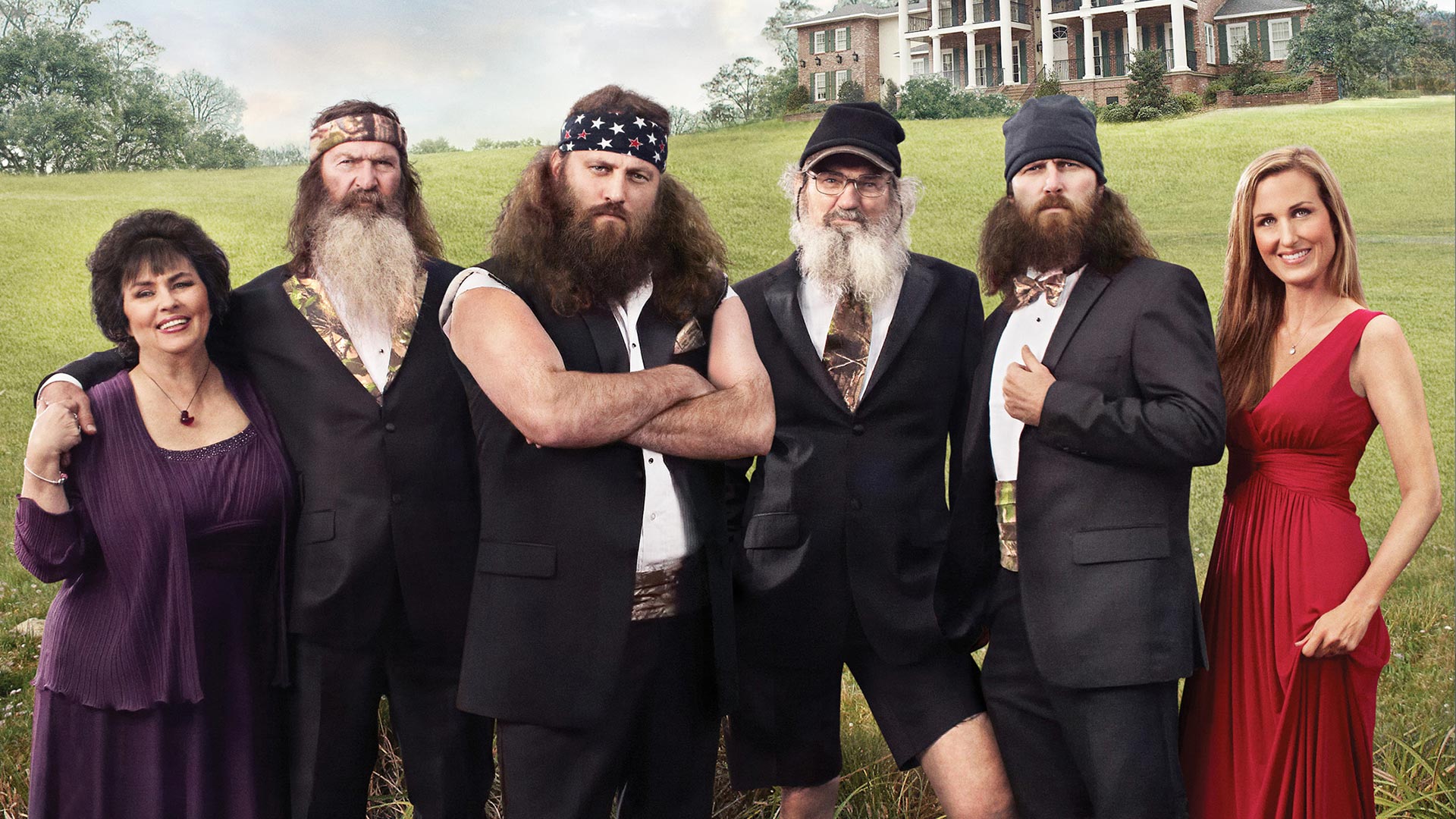
Phil's Yankee Edison: Duck Dynasty Millionaire
When observers analyze the trajectory of Phil Phil’s Yankee Edison: How Duck Dynasty Made Him a Modern Millionaires’ Star!, they find a rare intersection of backwoods craftsmanship, pragmatic invention, and modern television spectacle. Long before millions of viewers tuned in to A&E to watch bearded men navigate swamp life in West Monroe, Louisiana, Phil Robertson was quietly laying the foundation for a hunting revolution with nothing more than raw cedar, sharp tools, and an uncompromising ear for waterfowl.

Phil Robertson was neither a corporate executive nor an Ivy League engineer. Yet, his approach to problem-solving mirrored the dogged trial-and-error ethos of legendary American inventors. By taking an imperfect hunting tool and re-engineering it from the ground up, he launched an enterprise that would ultimately transform his family into household names and wealthy cultural icons.
From Starting Quarterback to Bayou Craftsman
To understand Phil Robertson’s rise, one must look past the camouflage and long beard to his formative years at Louisiana Tech University. During the late 1960s, Phil was the starting quarterback for the Bulldogs—keeping future Pro Football Hall of Famer Terry Bradshaw on the bench. Bradshaw famously remarked that Robertson possessed an extraordinary arm and natural athletic brilliance.
Yet, the National Football League could not compete with Robertson’s true calling: the autumn migration of mallards down the Mississippi Flyway. When the NFL came calling, Phil walked away. He chose commercial fishing, teaching, and spending long, quiet hours in the Louisiana marshes. This decision baffled traditionalists, but it placed him in the exact environment needed to incubate his breakthrough invention.
The Waterfowl Breakthrough: An Inventor at Work
During the 1970s, commercial duck calls were notoriously inconsistent. Most models on the market were loud, harsh, and prone to sticking when wet. More importantly, they sounded like musical instruments rather than actual wild birds. Robertson realized that ducks were not fooled by the calls available at local sporting goods stores.
Like a backwoods artisan experimenting in an unheated workshop, Robertson began carving and shaping duck calls by hand in his toolshed. He spent countless hours listening to live hens in the bayous, cataloging their exact cadence, pitch, and timbre.
The Double-Reed Innovation
Robertson’s defining technical contribution was refining the internal mechanics of the call. By altering the tone board and mastering a double-reed friction system, he produced a call that closely mimicked the raspy, authentic feed call of a mallard hen. In 1972, he officially patented his design and founded Duck Commander.
- Acoustic Realism: Crafted to replicate authentic duck biology rather than simply magnifying human breath.
- Durability: Built to withstand freezing temperatures, swamp mud, and heavy seasonal moisture.
- Ergonomics: Turned from native woods like cedar and walnut, designed for rapid, tactile field adjustments.
In his early days, Phil drove along the Gulf Coast, sleeping in his truck and demonstrating the calls to skeptical bait-shop owners. He rarely took no for an answer; he simply stepped inside, blew a feeding call, and let the acoustic realism make the sale.
Phil Phil’s Yankee Edison: How Duck Dynasty Made Him a Modern Millionaires’ Star!
While Robertson possessed the tinkering mindset often associated with early American industrial innovators—an instinctive, self-taught mastery reminiscent of Thomas Edison—he needed a vehicle to scale his invention from regional favorite to national dominance. That catalyst arrived when his son, Willie Robertson, took over business operations and recognized the explosive potential of multimedia storytelling.
Duck Commander first produced hunting VHS tapes in the late 1980s and 1990s, titled Duckmen. These videos rejected polished, sanitized outdoor programming in favor of gritty, high-energy, real-life footage. That raw format caught the attention of cable executives, leading first to the Outdoor Channel’s Benelli Presents Duck Commander and eventually to the historic 2012 premiere of Duck Dynasty on A&E.

The Television Phenomenon
Duck Dynasty shattered cable television records, drawing nearly 12 million viewers for its Season 4 premiere. The show balanced quirky family dynamics with genuine entrepreneurial success. While Phil remained the stoic patriarch who preferred gutting fish to attending corporate board meetings, his central invention was the bedrock upon which the entire media machine rested.
Suddenly, the toolshed inventor was a multimillionaire pop-culture phenomenon. Duck Commander calls moved from niche outdoor shops into massive nationwide retailers like Walmart, Bass Pro Shops, and Cabela's, generating tens of millions of dollars in retail and merchandise revenue annually.
Key Business Lessons from Phil Robertson’s Success
The journey from an off-the-grid bayou workshop to national television stardom offers enduring takeaways for modern entrepreneurs, makers, and brand builders.
1. Solve a Real Problem with Deep Domain Expertise
Robertson succeeded because he understood his end user better than any corporate R&D team could. His decades spent immersed in duck habitats gave him an unassailable competitive advantage. True product innovation emerges from intimate familiarity with the problem you are solving.
2. Pair Product Invention with Savvy Management
Phil invented the product, but the brand’s exponential financial explosion occurred when complementary skill sets entered the fold. Willie Robertson’s business acumen and brand licensing strategies turned an artisanal workshop into an international distribution juggernaut. Great inventions require great distribution to create generational wealth.
3. Authenticity Is an Irreplaceable Asset
In an era of focus-grouped media personas, the Robertson family stood out because they were unapologetically authentic to their roots. Phil never compromised his rural lifestyle, work habits, or core values for the cameras. That genuine identity resonated with millions of everyday consumers who felt alienated by conventional celebrity culture.
The Enduring Legacy of Duck Commander
Phil Robertson's passing of the corporate torch did not diminish the foundational impact of his work. Today, Duck Commander stands as an enduring American outdoor brand, while the Robertson family portfolio spans publishing, television production, culinary products, and conservation efforts.
Phil proved that ingenuity is not confined to Silicon Valley research labs or corporate design centers. Through stubborn determination, deep field knowledge, and an unwavering commitment to his craft, he turned a simple wooden call into a cornerstone of modern entrepreneurship—cementing his status as a self-made millionaire star whose legacy began in the mud of the Louisiana bayou.