Picture of Broccoli: Visual Guide & Photo Tips
Whether you are a food blogger styling a healthy recipe, a home cook trying to identify prime produce, or a designer searching for the right stock image, finding or creating the perfect picture of broccoli requires understanding both botanical freshness and aesthetic presentation. Broccoli is one of the most recognizable cruciferous vegetables in the world, yet capturing its intricate texture and saturated emerald tone on camera can be surprisingly challenging.
In this guide, we break down the visual anatomy of broccoli, explore how different varieties appear on the plate and in photos, detail the visual cues of peak freshness, and provide practical styling tips for photographers seeking high-impact produce imagery.
The Visual Anatomy of a Broccoli Head
To evaluate or shoot a high-quality image of broccoli, it helps to understand its structural parts. Each section offers distinct textures and colors that can either elevate or detract from an image:
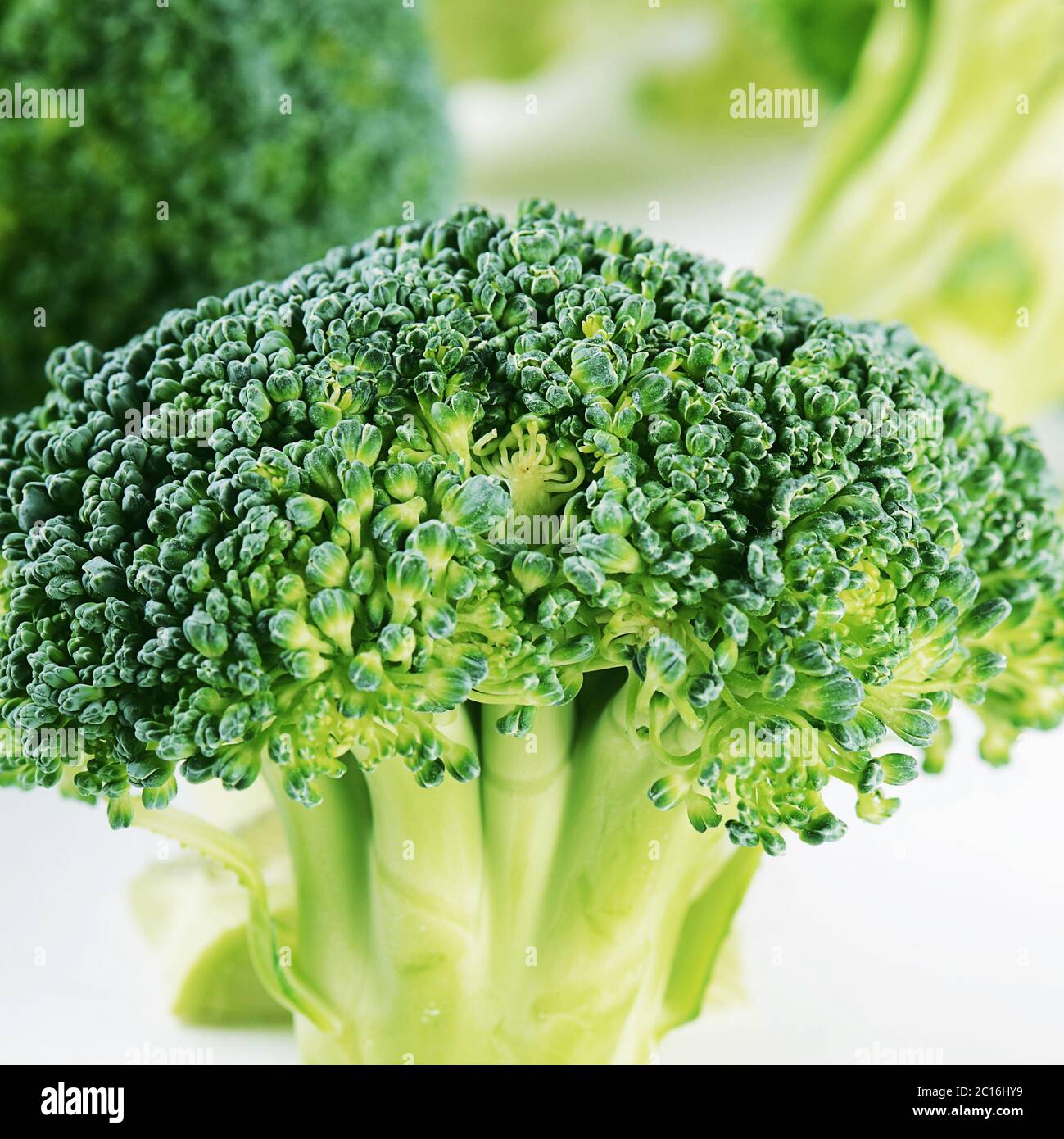
- The Crown: This is the domed top composed of dozens of smaller clusters called florets. A high-quality specimen features densely packed florets with no gaps or spreading buds.
- The Buds: Individual florets are actually immature flower buds. Under macro photography, these appear as tiny, bead-like spheres. They should look tight, firm, and uniform.
- The Stalk (Peduncle): The central stem supports the crown. In fresh broccoli, the stalk is pale seafoam green, smooth, and free of woody hollows or cracks.
- The Leaves: While commercial grocery stores often trim them off, smaller inner leaves curled around the head add organic movement and raw, farm-fresh authenticity to a photo.
Visual Freshness Checklist: Spotting Prime Quality
Before snapping a photograph or selecting produce at the market, look closely at these visual indicators. A camera sensor amplifies imperfections, so recognizing peak freshness is critical.
1. Color Saturation
Prime broccoli exhibits a deep, uniform blue-green or rich forest-green hue. A slight purplish or dusty sage cast on the buds is natural and often indicates cold-weather sweetness. However, any trace of yellowing is a sign that the buds are opening into flowers, meaning the vegetable is past its prime, less flavorful, and visually dull.
2. Density and Tightness
Gently press your fingers against the crown. The florets should be rigidly compact. If the clusters separate easily or look loose and feathery, the vegetable will appear wilted in close-up shots.
3. Stalk Moisture
Examine the bottom cut of the stem. A freshly harvested stalk has a moist, clean, light-colored cut. If the base looks brown, parched, woody, or hollowed out, the head has spent too much time in transit or storage.
Broccoli Varieties in Visual Media
Not every picture of broccoli showcases standard grocery store heads. Depending on your culinary or creative context, several cultivars offer unique aesthetic profiles:
Calabrese Broccoli
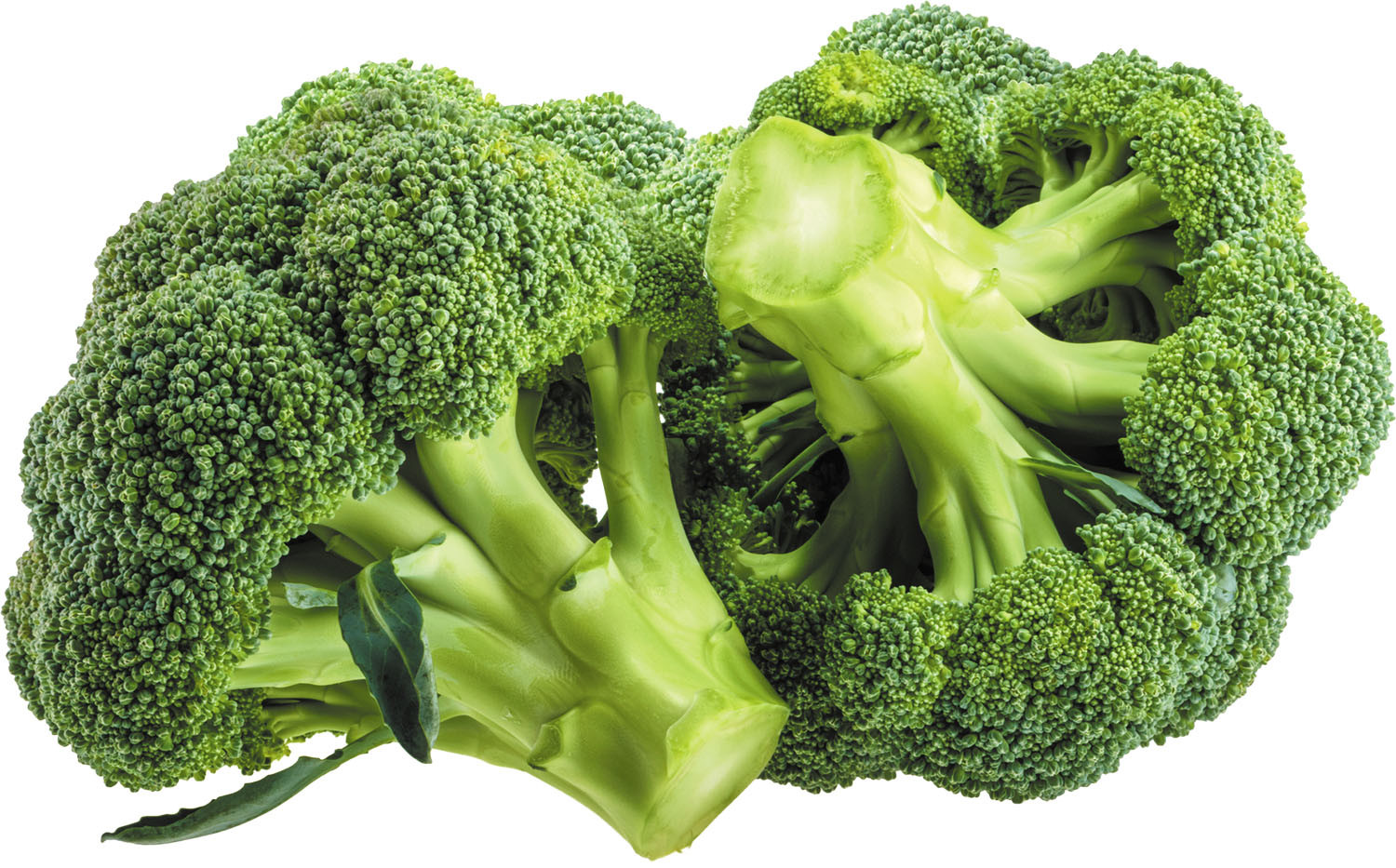
This is the classic variety most people picture when they think of broccoli. It features a wide, rounded head with thick stems and tight green beads. It is the gold standard for hearty soup compositions, roasted vegetable medleys, and raw veggie platters.
Broccolini (Baby Broccoli)
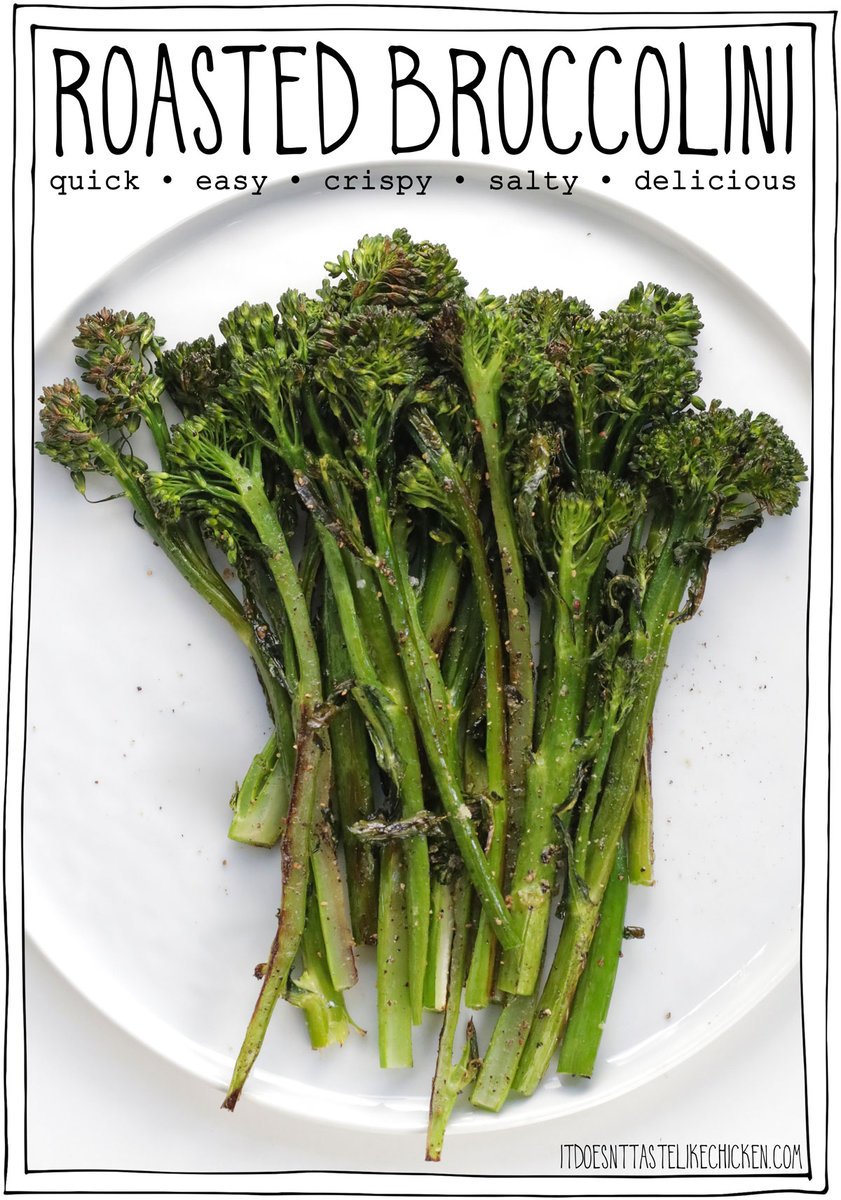
A hybrid between standard broccoli and Chinese kale (gai lan), broccolini features slender, tender stalks topped with miniature, loose florets. Because of its elongated lines, broccolini is a favorite in fine dining photography, as it lays gracefully across plates and adds vertical interest to food styling.
Romanesco
Though technically an edible bud of the species Brassica oleracea, Romanesco is often called Romanesco broccoli. Visually stunning, it forms a natural fractal pattern composed of logarithmic spirals. Its chartreuse (yellow-green) color and architectural geometry make it an extraordinary subject for macro and artistic food photography.
Broccoli Rabe (Rapini)
Characterized by dark, jagged leaves surrounding small, clustered green buds, rapini looks more like a leafy green than a dense crown. In visual storytelling, it evokes rustic, Mediterranean kitchen scenes and pan-seared preparations.
How to Capture the Perfect Picture of Broccoli
Because of its dense bead structure and dark green color, broccoli can easily look flat, muddy, or unappetizing if shot incorrectly. Follow these practical food styling and photography guidelines to produce crisp, mouthwatering imagery.
Blanch and Shock for Optimal Color
Raw broccoli can photograph somewhat chalky due to its natural waxy coating. Overcooked broccoli turns into an unappealing olive-drab brown. The secret used by professional food stylists is the rapid blanch-and-shock technique:
- Bring a pot of salted water to a rolling boil.
- Drop your trimmed florets into the water for 60 to 90 seconds—just long enough for heat to release the air trapped between plant cells and activate the bright chlorophyll.
- Immediately transfer the florets into an ice-water bath to stop cooking instantly.
- Pat dry thoroughly with paper towels before styling.
This method locks in a vivid, neon-green hue that remains camera-ready for hours.
Mastering the Lighting Setup
Cruciferous vegetables demand directional light to bring out their intricate textures:
- Use Side Lighting or Backlighting: Front-facing flash or flat ambient light eliminates shadows, turning the crown into an indistinct dark blob. Placing your main light source at a 90-degree or 135-degree angle (backlight) creates tiny highlights on top of each bud, giving the floret three-dimensional depth.
- Diffuse Harsh Sunlight: While direct sun creates heavy, distracting shadows within the crown, a large softbox or sheer curtain softens the light across the curves of the florets while preserving detail.
Styling and Composition
Green vegetables need visual contrast to pop off the screen. Pair broccoli with complementary colors and contrasting textures:
- Surface Selection: Dark slate, rustic gray concrete, or warm cutting boards make bright green florets stand out. Avoid shooting green broccoli on a bright green plate or tablecloth.
- Accent Spritz: A fine mist of water mixed with a few drops of vegetable glycerin from a spray bottle creates delicate droplets that cling to the florets, mimicking farm-fresh dew without rolling off.
- Culinary Garnishes: Pair your subject with bright yellow lemon wedges, red chili flakes, toasted almond slices, or coarse sea salt crystals to break up monochromatic scenes and tell a story of preparation.
Summary
A compelling image of broccoli relies on three key factors: selecting produce with tight buds and zero yellowing, treating the vegetable to preserve its vibrant chlorophyll, and using directional lighting to celebrate its unique texture. By applying these techniques, your culinary visuals will convey freshness, nutritional appeal, and professional polish every time.