Pictures of Jeffrey Dahmer Murders: History & Reality
Understanding the Search for Pictures of Jeffrey Dahmer Murders
The public fascination with true crime has grown exponentially in the digital age, leading many people to search online for explicit media related to infamous historical cases. Among the most frequently queried topics is the search for "pictures of Jeffrey Dahmer murders." Between 1978 and 1991, Jeffrey Dahmer committed seventeen murders, leaving a harrowing legacy that continues to captivate public interest, documentary filmmakers, and criminologists alike.
However, navigating what actually exists in the public record versus what is restricted by law and ethical boundaries is essential. This article examines the historical reality of the evidence collected during the investigation, what archival photographs are legally accessible, and why the explicit crime scene images remain largely shielded from public view.
The Investigation and Crime Scene Documentation
When Milwaukee police arrested Jeffrey Dahmer on July 22, 1991, following the escape of potential victim Tracy Edwards, they uncovered a horrific reality inside Apartment 213 at the Oxford Apartments. Investigators documented the scene thoroughly to build an airtight criminal case against Dahmer.
What Law Enforcement Captured
The visual evidence gathered by crime scene technicians and forensic pathologists served a specific legal purpose: to document the extent of the crimes for prosecutors, defense attorneys, and the judge and jury. The official file included:
- Photographs of the apartment layout, including the refrigerator, freezers, and acid vats.
- Forensic imagery of physical evidence cataloged by investigators.
- Autopsy photographs taken by the Milwaukee County Medical Examiner's office to determine causes of death and assist in victim identification.
- Polaroids that Dahmer himself had taken of his victims at various stages of his crimes.
These official police and medical files are strictly regulated government records. While some items were presented as evidence during Dahmer's 1992 trial, the vast majority of graphic images were never intended for public distribution out of respect for the victims and their families.
What Pictures of Jeffrey Dahmer Murders Exist Publicly?
Due to strict ethical standards in journalism, legal restrictions on graphic evidence, and privacy laws protecting victims' descendants, explicit photographs of the murders or dismembered remains are not publicly available on mainstream search engines or reputable historical websites.
What the public *can* access in documentaries, news archives, and court records includes:
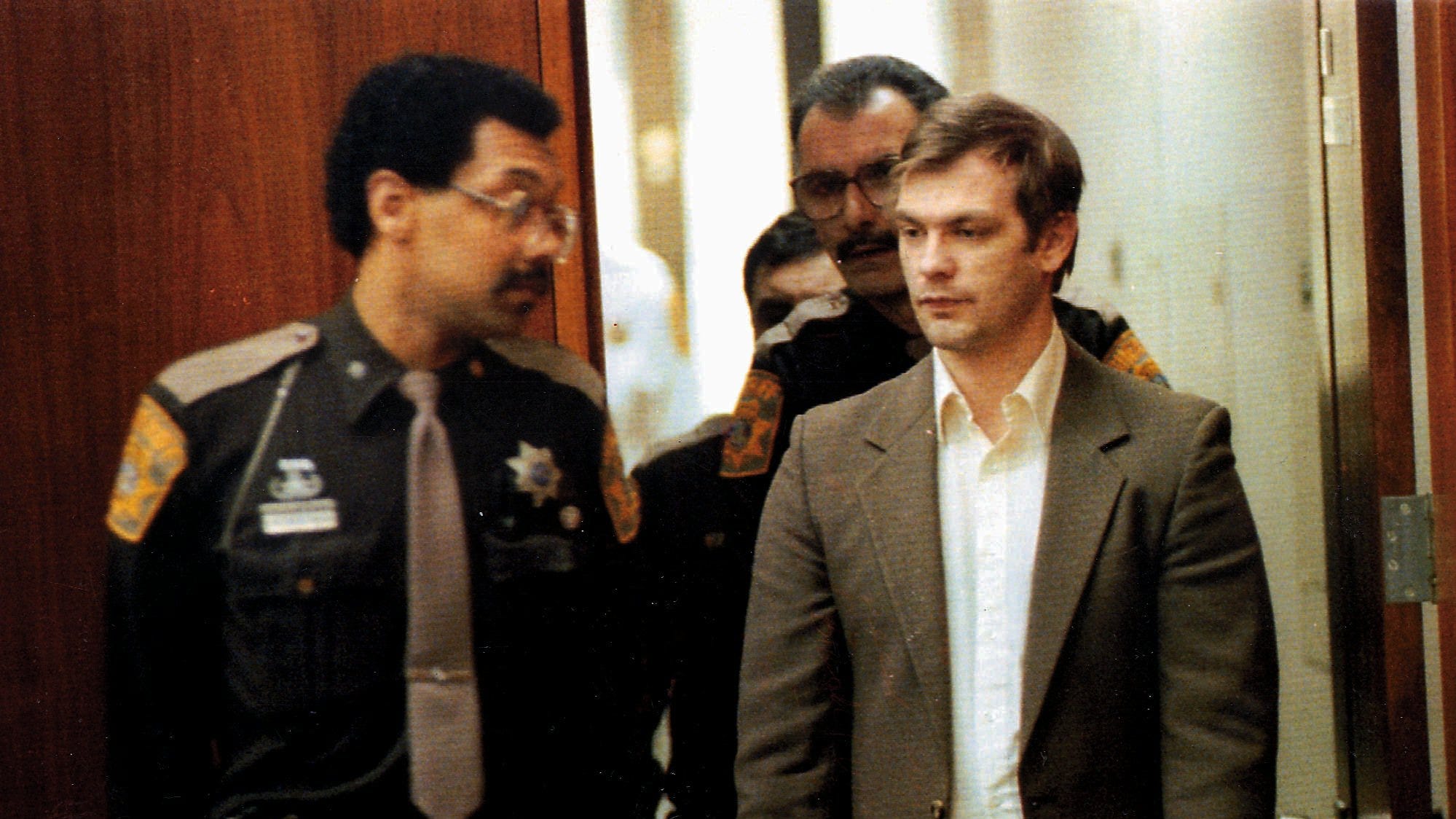
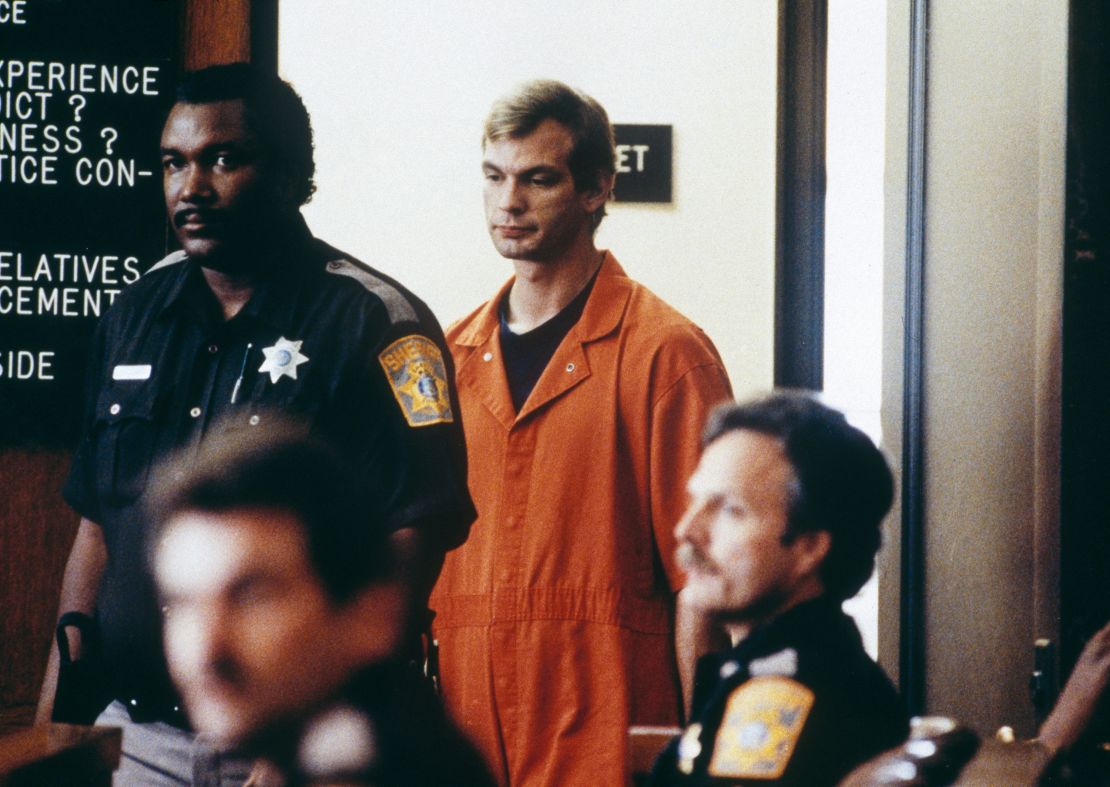
- Trial and Courtroom Photographs: Images of Jeffrey Dahmer sitting at the defense table, his legal team, Judge Lawrence Gram Jr., and witnesses testifying during the proceedings.
- Apartment Exterior and Contextual Images: Photographs of the Oxford Apartments building, police outside the premises, and news broadcasts from July 1991.
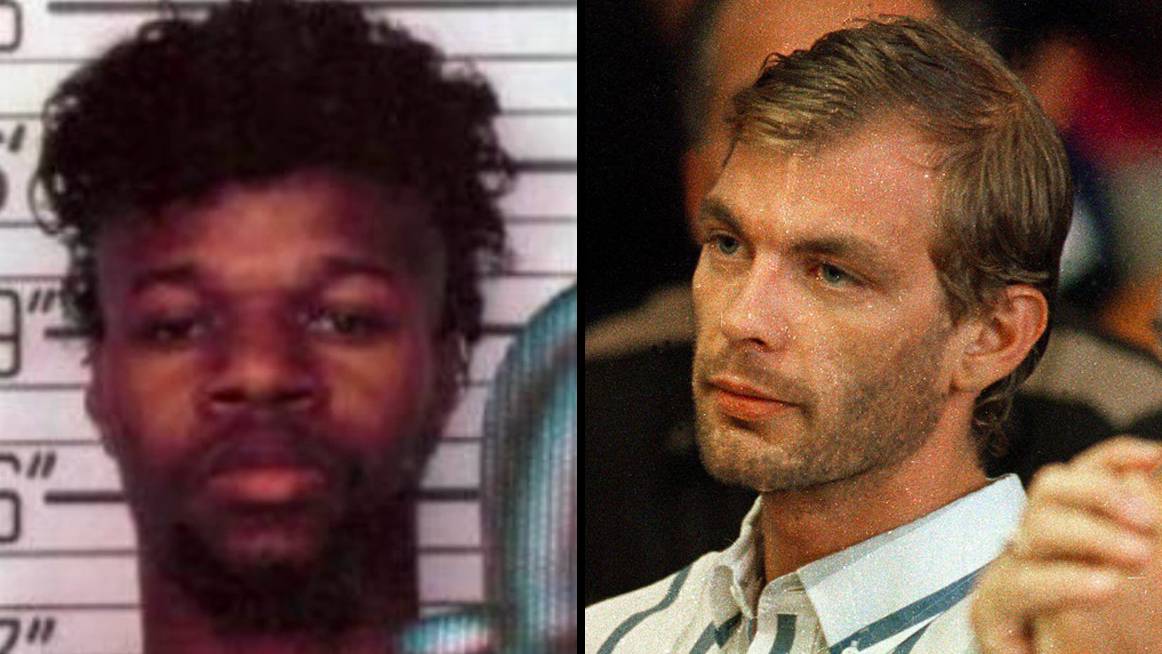
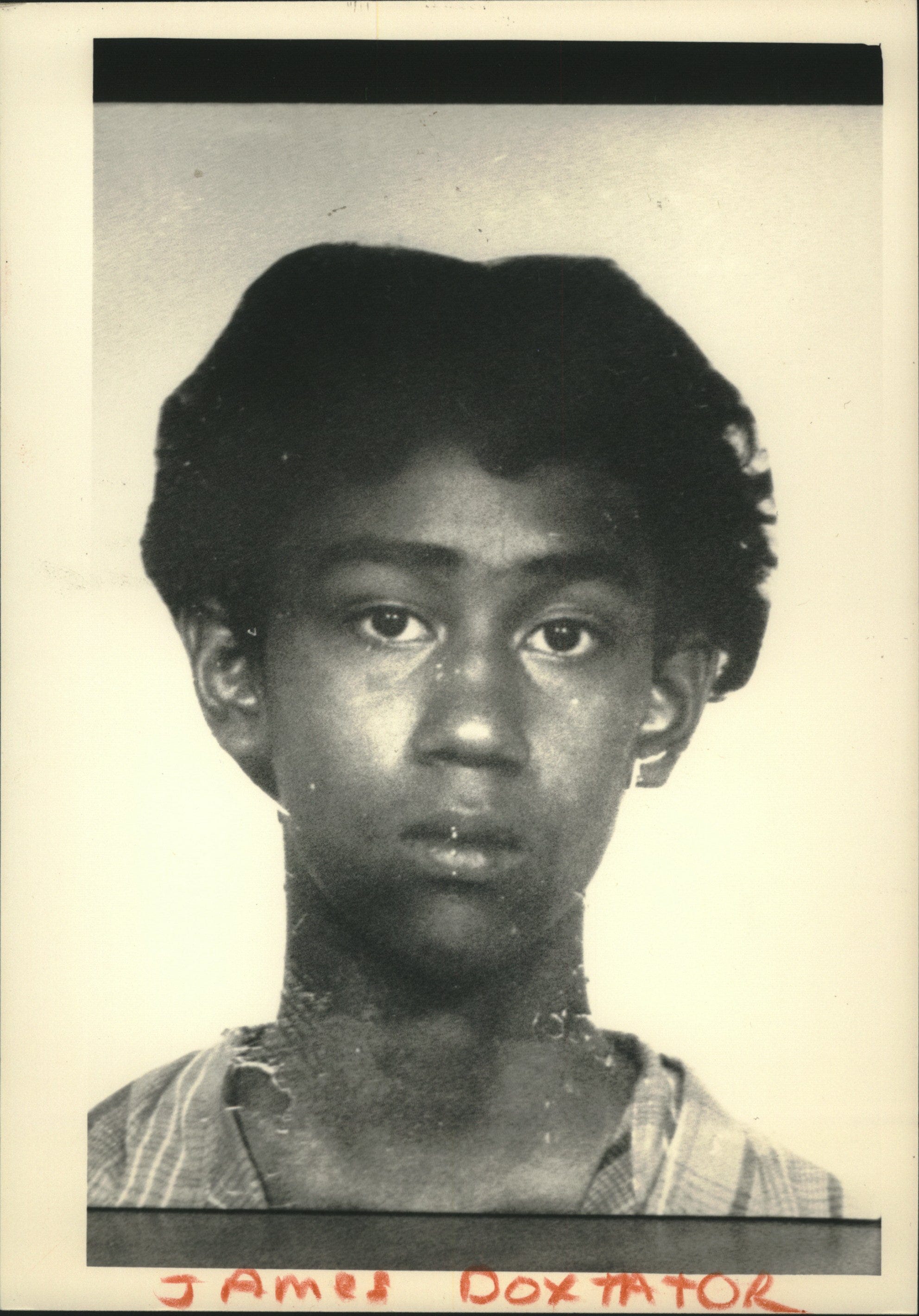
- Personal Photographs of the Victims: School pictures, family portraits, and professional headshots of the young men and boys who lost their lives, which are frequently shared by their families to keep their memories alive.
- Exhibited Evidence: Non-graphic items entered into evidence during the trial, such as diagrams of the apartment, everyday objects used in the crimes, and Dahmer's confession tapes and transcripts.
The Ethical Debate Over True Crime Media
The enduring demand for sensationalist content raises significant ethical questions. When internet users look for graphic crime scene photos, they often encounter unreliable websites, clickbait, and mislabeled images generated by internet trolls or artificial intelligence.
Media ethicists and victim advocacy groups argue that circulating graphic imagery of violent crimes causes prolonged trauma to the families of the victims. Organizations representing the families of Dahmer's victims have repeatedly spoken out against exploitative dramatizations and the commodification of their loved ones' tragedies.
Conversely, historians and true crime researchers maintain that studying the methods, psychological profile, and systemic failures surrounding the case can provide valuable educational insights into law enforcement procedures, forensic science, and the identification of predatory behavior.
Conclusion
While the internet offers vast amounts of information regarding notorious criminals, explicit pictures of Jeffrey Dahmer murders are not part of the public domain. Law enforcement archives and court exhibits keep graphic evidence secure to protect the dignity of the victims. For those seeking to understand the full scope of the case, focusing on trial transcripts, investigative journalism, and memorial projects dedicated to the victims provides a far more respectful and historically accurate perspective.