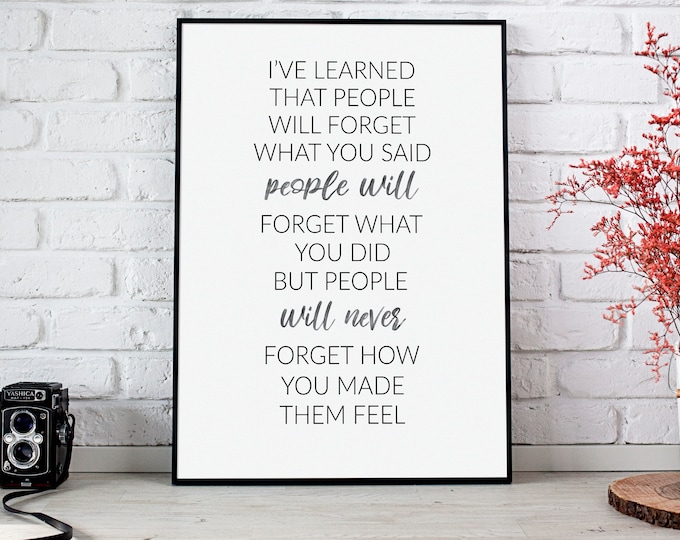
Pier One Artwork: Forget What You Know
For decades, Pier 1 Imports was the suburban destination for woven papasan chairs, scented reed diffusers, and colorful accent pillows. When casual decorators evaluated Pier One artwork: Forget what you know! This changes EVERYTHING. What was once dismissed as mass-produced shopping mall filler has quietly transformed into one of the most unexpected secondary-market darlings among interior stylists, vintage dealers, and thrifters.

Following the brand's 2020 bankruptcy and the closure of all its physical retail stores, the landscape shifted dramatically. As mass-market production stopped, the older physical pieces began to stand out against modern "fast-decor" alternatives. When you examine the construction, textures, and artisan partnerships behind Pier 1's legacy inventory, the reality of its wall decor challenges almost every common preconception.
Pier One Artwork: Forget What You Know! This Changes EVERYTHING
The standard assumption about retail wall decor is that it lacks artistic value, durability, and character. For years, critics grouped Pier 1 wall hangings with generic flat canvas prints sold at big-box department stores. However, that comparison ignores how the company actually sourced its catalog between the late 1970s and the early 2010s.
Unlike modern online print-on-demand retailers that churn out low-resolution inkjet ink on polyester canvas, Pier 1 operated on an import-buyer model. Their merchandising teams worked directly with artisan cooperatives and commercial studios across India, Indonesia, the Philippines, Thailand, and Mexico. Many older pieces were genuinely hand-embellished, hand-carved, or hand-painted by studio artists rather than spit out of a commercial printing press.
Why Vintage Pier 1 Pieces Are Dominating Resale Markets
If you browse platforms like Chairish, eBay, Poshmark, or curated Facebook Marketplace listings, you will notice a surprising trend: vintage Pier 1 wall decor regularly sells for more than its original retail price. Several tangible factors explain this surge in popularity.
1. Heavy Impasto and Genuine Hand-Embellishment
Many of Pier 1's canvas paintings were finished with heavy palette knife work, known as impasto. Real acrylic gel mediums and oil paints were layered on top of structural under-paintings to create real physical depth. In an era where contemporary budget decor is almost exclusively flat giclée prints wrapped over hollow composite frames, physical paint texture is a luxury buyers actively crave.
2. Solid Wood Frames and Hand-Carved Panels
During the 1980s through the 2000s, Pier 1 regularly stocked carved teak, mango wood, and solid pine wall plaques. These architectural fragments, decorative lotus reliefs, and geometric screens carried significant weight and real artisan craftsmanship. Today, similar architectural accents from high-end specialty boutiques cost anywhere from $300 to $800, making secondhand Pier 1 originals an incredible bargain.
3. The "Warm Minimalist" and "Global Eclectic" Revival

Modern interior design trends have largely abandoned the stark, cold, all-gray aesthetic of the 2010s in favor of textured, layered, and globally inspired rooms. Pier 1's mid-period catalog was built entirely around earthy tones, woven sea grass, patinated metals, and warm botanical illustrations—a perfect match for contemporary spaces looking for organic warmth.
High-Demand Pier 1 Wall Art Categories to Look For
Not every canvas created under the Pier 1 label is a collector's item. To separate genuine design gems from uninspired clearance prints, keep an eye out for these specific product categories when browsing thrift shops, estate sales, or online auctions:
- Textured Metallics and Gold-Leaf Abstracts: Pier 1 produced a series of large-scale oversized abstracts featuring applied metallic leaf and textured plaster. In modern dining rooms or entryways, these pieces look virtually indistinguishable from high-end gallery pieces.
- Multi-Dimensional Shadowboxes: Pieces featuring framed quilling, woven textiles, preserved botanical fronds, or metal floral assemblages within deep shadowbox frames showcase structural craftsmanship rarely matched at current budget price points.
- Hand-Painted Botanical & Fauna Canvases: Oversized floral studies (particularly magnolias, poppies, and tropical foliage) and wildlife paintings that feature raised brushstrokes and gallery-wrapped edges command reliable attention.
- Carved Relief Panels: Solid mango wood panels with whitewashed, distressed, or burned finishes make striking statement backdrops when mounted behind bed headboards or over sofas.
How to Identify and Authenticate Quality Pier 1 Artwork
Because the Pier 1 brand name underwent multiple corporate reorganizations—shifting from independent import storefronts to a corporate mall staple, and finally to an online-only e-commerce brand—knowing how to evaluate a piece's vintage and quality is essential.
- Inspect the Backing and Labels: Older, higher-quality pieces typically feature heavy kraft-paper backing with a stamped or stickered Pier 1 Imports inventory tag. The presence of a country-of-origin sticker (e.g., "Handcrafted in India" or "Made in the Philippines") often correlates with higher-grade material construction.
- Check the Frame Jointing: High-value pieces feature mitered corners secured with heavy V-nails or internal corner braces, rather than simple cardboard corner staples.
- Feel the Surface: Run your fingertips lightly across the canvas. You should feel distinct temperature shifts and thickness variations between paint layers, rather than uniform vinyl-like ink smooth to the touch.
- Assess the Weight: Mass-produced budget frames weigh almost nothing because they rely on hollow polystyrene molds. Classic Pier 1 frames were often framed with dense pine, paulownia, or composite wood, giving them noticeable heft.
Styling Vintage Pier 1 Decor in Modern Homes
The secret to decorating with legacy Pier 1 art without making your home feel like a time capsule from 2004 comes down to context and contrast. Here is how modern interior designers incorporate these pieces seamlessly:
Ditch the Matching Sets: Pier 1 often sold wall decor in thematic pairs or trios. Hanging an entire three-piece matching set can feel dated. Instead, break the set up. Hang one framed botanical in a powder room, another in a reading nook, and pair it with completely different artwork to curate a collected-over-time feel.
Upgrade the Framing: An inexpensive way to elevate an older canvas is by adding a contemporary floating frame. A raw light-oak or matte-black floating frame instantly modernizes a vintage impasto canvas, giving it an upscale gallery silhouette.
Contrast With Clean Silhouettes: If you have an ornate, carved wooden Pier 1 panel, balance its ornate details by placing it above a sleek, mid-century modern credenza or a streamlined modern sofa. The friction between minimalist furniture and ornate vintage wall decor creates visual depth.
The Final Verdict
Before you walk past that oversized canvas at your local thrift store or scroll past an estate sale listing showing a vintage Pier 1 label, look closer. Far from being throwaway decor, many of these pieces carry genuine craftsmanship, durable materials, and expressive textures that are increasingly rare in today's digital, flat-pack world. Reassessing what you thought you knew about Pier 1 Imports artwork reveals an accessible, stylish bridge between budget-friendly decor and authentic artistic character.