Pinellas County EMS Active Calls Under the Microscope
Understanding the Crisis in Pinellas County Emergency Services

For residents experiencing a medical emergency, every second counts. However, the system responsible for dispatching help is facing unprecedented scrutiny. The current Pinellas County EMS active calls situation has brought long-standing operational challenges, staffing shortages, and rising call volumes into sharp focus for local leaders and community members alike.
Pinellas County relies on a complex, multi-tiered emergency medical services system involving municipal fire departments, private ambulance providers, and county dispatchers. When this intricate web experiences friction, response times inevitably suffer. To understand the gravity of the situation, we must examine the data, the structural roadblocks, and the proposed solutions currently being debated.
Pinellas County EMS Active Calls Under the Microscope
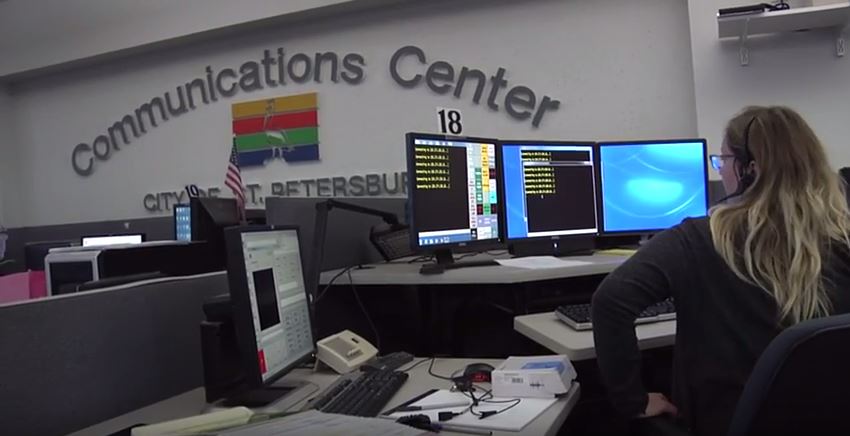
When analyzing emergency services performance, experts look closely at how resources are deployed in real-time. Tracking Pinellas County EMS active calls reveals a system frequently operating near or at maximum capacity. This high utilization rate leaves little room for error when unexpected surges occur, such as severe weather events, major traffic accidents, or seasonal population influxes.
Several key factors contribute to the strain on active emergency calls in the region:
- Surging Call Volumes: Year-over-year increases in 911 calls outpace population growth, driven largely by an aging demographic that requires more frequent medical interventions.
- Hospital Offload Delays: Ambulances are frequently delayed at local emergency rooms, waiting to transfer care of patients to hospital staff, which temporarily removes units from active rotation.
- Staffing Deficits: Like many emergency medical systems nationwide, Pinellas County struggles with paramedic and EMT retention, recruitment, and burnout.
The Impact on Response Times
The ultimate measure of an EMS system's effectiveness is its response time. When active calls surge and available ambulances dwindle, response times for lower-priority calls—and occasionally high-priority emergencies—begin to creep upward. County benchmarks mandate specific response time thresholds depending on the urgency of the call. Failing to meet these benchmarks triggers audits, public concern, and calls for operational restructuring.
For patients, even a delay of a few minutes can mean the difference between a full recovery and long-term complications, particularly in cases of cardiac arrest, stroke, or severe trauma. This reality has fueled public urgency surrounding the management of emergency resources.
Examining the Private Provider Dynamic
A unique aspect of the Pinellas County EMS structure is its reliance on contracted private ambulance providers to handle a significant portion of transport duties. While public fire departments often arrive first to provide life-saving stabilization, the transport ambulance is frequently managed by a contracted corporate entity.
This public-private partnership has faced criticism during periods of peak demand. Critics argue that contractual penalties for late response times are insufficient to solve the root causes of delays, while proponents maintain that private providers offer necessary scalability and financial efficiencies. Balancing accountability with operational flexibility remains a central debate for county commissioners.

Steps Toward Reform and Modernization
Recognizing the urgency of the crisis, local officials, emergency management directors, and healthcare executives are actively exploring modernization strategies. Addressing the systemic bottlenecks requires a multi-pronged approach that goes beyond simply adding more vehicles to the fleet.
Technological Upgrades in Dispatch
Modernizing Computer-Aided Dispatch (CAD) software allows for more intelligent resource allocation. By leveraging predictive data analytics, dispatchers can anticipate high-demand periods and pre-position units in areas statistically likely to experience emergencies. Better communication integration between fire rescue, private EMS, and hospital triage desks also helps streamline patient handoffs.
Alternative Destination Pathways
Not every 911 call requires a traditional emergency room visit. County leaders are looking into alternative destination models, allowing paramedics to transport lower-acuity patients to urgent care facilities or mental health crisis centers. This practice keeps primary ambulances in service and reduces strain on overcrowded hospital emergency departments.
Workforce Investment
Solving the paramedic shortage requires addressing compensation, working conditions, and career advancement opportunities. Several municipalities within Pinellas County are re-evaluating pay structures and offering tuition assistance or retention bonuses to attract qualified emergency medical personnel.
What Residents Can Do
While systemic reform is primarily the responsibility of county government and healthcare providers, residents also play a role in easing the burden on the emergency network. Public education campaigns focus on encouraging appropriate use of 911, reminding citizens to reserve emergency services for genuine, life-threatening situations rather than routine medical transport or minor ailments.
As oversight continues and policy changes are implemented, keeping a close eye on Pinellas County EMS active calls and system performance metrics will remain essential for ensuring public safety and accountability across the region.