Pinellas County EMS Active Calls: What to Know
When an emergency siren wails in the distance, or you notice a sudden heavy presence of first responders in your neighborhood, curiosity and concern naturally follow. For residents living in Florida’s densely populated Gulf Coast, keeping track of Pinellas County EMS active calls can provide immediate context during local incidents. Whether you are tracking a nearby accident, checking on a reported fire, or simply interested in public safety operations, understanding how emergency dispatch works—and how to view live data safely—is essential.

Pinellas County operates a highly coordinated emergency medical services and fire dispatch system that covers municipalities ranging from Clearwater and St. Petersburg to smaller beach communities. However, navigating live incident feeds requires knowing where to look, what the data actually means, and why certain details are restricted for privacy and operational reasons.
Understanding Pinellas County EMS Active Calls
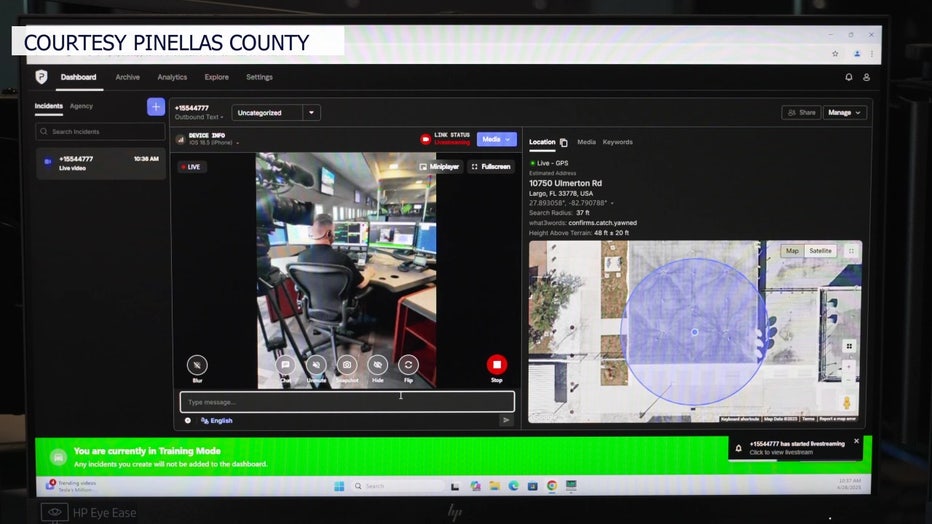
Emergency response data in Pinellas County is managed through advanced Computer-Aided Dispatch (CAD) systems. These systems log every 911 call, assign appropriate units (such as ambulance transport, fire engines, or rescue squads), and track the status of units in real time. Public-facing feeds pull from these CAD systems to display ongoing incidents.
However, live active call logs are not instantaneous. To protect caller privacy and ensure tactical safety for responding officers and paramedics, information is typically filtered before appearing on public portals. When you view a live feed, you generally see generalized data rather than granular, personal details.
What Information is Typically Shown?
Publicly available active call logs usually display specific, non-confidential operational details to keep the community informed without compromising privacy. Typical data points include:
- Incident Type: General categories such as motor vehicle crashes, medical emergencies, structure fires, or public assists.
- General Location: Cross-streets, neighborhood markers, or block-level addresses rather than exact house numbers.
- Timestamp: The time the call was dispatched or logged into the system.
- Responding Units: Designated engine, truck, or medic unit numbers assigned to the scene.
- Current Status: Whether units are en route, on the scene, or clearing the incident.
What Information is Left Out?
To comply with medical privacy laws like HIPAA and to protect individuals during vulnerable moments, certain details are intentionally omitted from public feeds. You will never see patient names, specific medical diagnoses, exact residential addresses for medical calls, or private communications between dispatchers and field crews on public-facing active logs.
Where to Find Reliable Live Incident Feeds
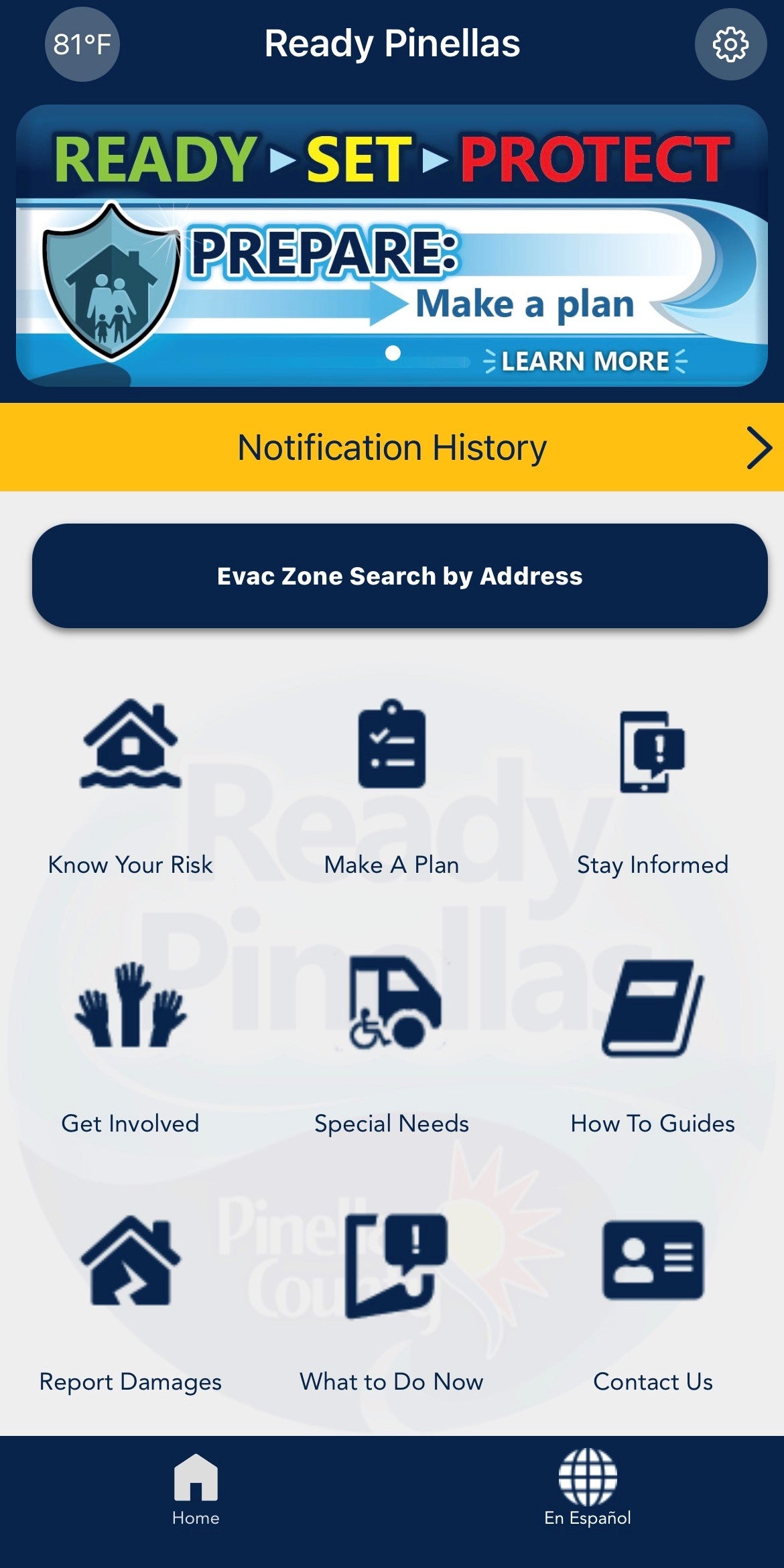
If you are looking for up-to-the-minute information regarding emergency responses in your neighborhood, it is important to rely on official or authorized sources rather than unverified social media rumors.
- Official County and Municipal Portals: Pinellas County emergency services and local municipal websites often host live or near-real-time active call dashboards for fire and EMS operations.
- Authorized Public Safety Feeds: Several platforms aggregate open-source CAD data, translating raw dispatch codes into user-friendly map interfaces.
- Local Broadcast and News Media: Established regional news outlets maintain traffic and emergency trackers that highlight major highway accidents and large-scale emergency incidents.
How to Interpret Dispatch Codes and Terminology
Scanning an active call log can feel like reading a foreign language if you are unfamiliar with emergency services shorthand. Dispatchers use standardized alphanumeric codes and abbreviations to communicate rapidly.
For example, a medical call might be categorized by priority level—often ranging from Alpha (low acuity) to Echo (life-threatening cardiac or respiratory arrest). Fire dispatches similarly categorize incidents from minor property investigations to multi-alarm structure fires. Recognizing these basic tiers helps you gauge the severity of an incident without needing to decode every internal radio abbreviation.
Staying Safe and Avoiding Interference
While monitoring active calls can satisfy curiosity or help you route around traffic delays caused by a major accident, safety must always come first. If you see emergency vehicles approaching or working an active scene, keep these guidelines in mind:
- Give Space: Never drive or walk past police tape, cones, or parked emergency vehicles unless directed by authorities.
- Avoid 'Rubbernecking': Slowing down on major thoroughfares like US-19 or I-275 to look at an accident creates secondary crashes and delays critical medical transport.
- Rely on Official Channels for Emergencies: If you are witnessing an immediate threat to life or property, do not rely on online logs—dial 911 immediately.
Conclusion
Staying informed about local public safety operations helps foster a connected and prepared community. By knowing how to properly read and access data regarding Pinellas County EMS active calls, you can stay aware of major incidents in your area while respecting the privacy and safety of those receiving emergency assistance. Always prioritize official updates during critical events, keep roadways clear for first responders, and use trusted digital dashboards for your real-time local updates.