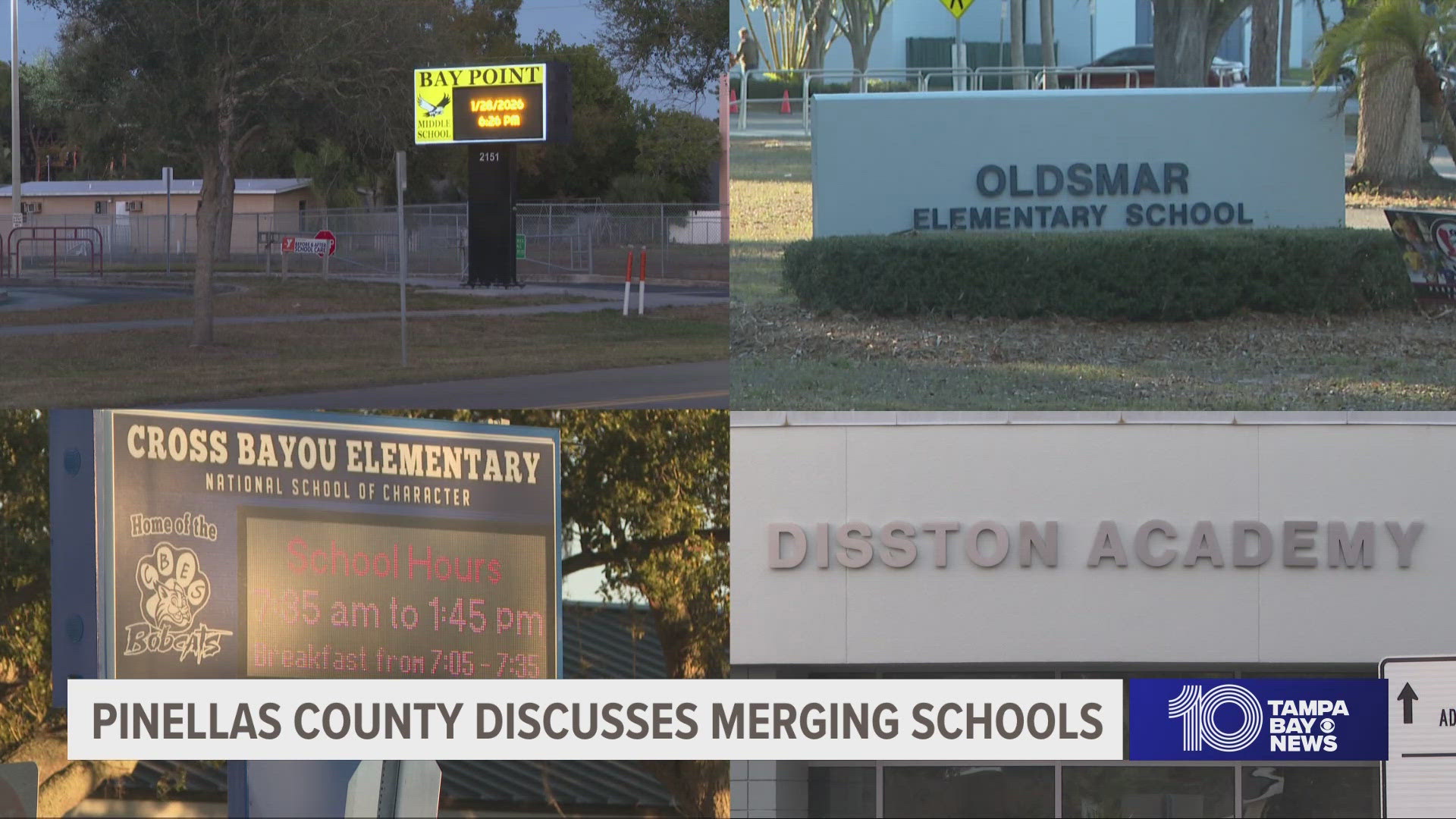
Pinellas County Schools Master Schedule Challenges
Designing a district-wide calendar and daily operational framework for one of Florida's largest school districts is a massive undertaking. For parents, teachers, and administrators alike, navigating the Pinellas County Schools master schedule has become a focal point of discussion as the district balances state mandates, budget constraints, and student needs. Building a functional schedule is far more complex than simply setting morning and afternoon bell times; it involves a delicate orchestration of staffing, transportation, and educational equity.
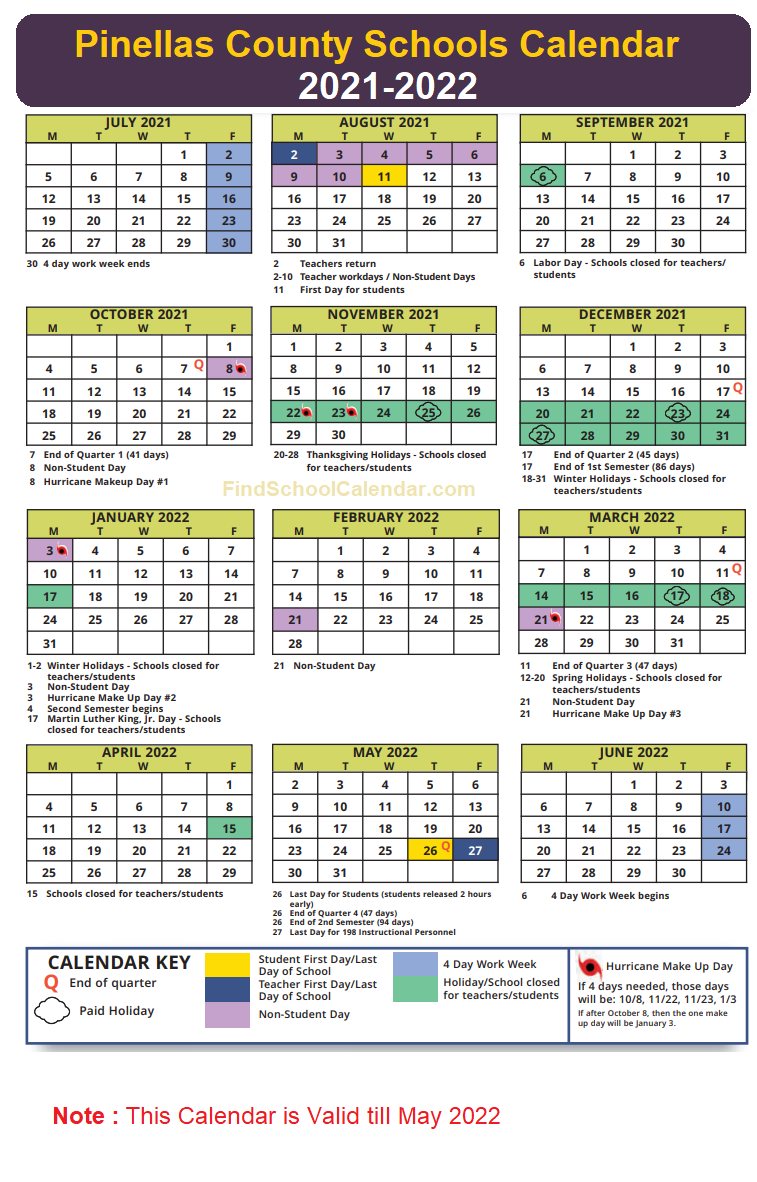
Understanding the Pinellas County Schools Master Schedule
At its core, a master schedule dictates how a school operates every single day. It determines teacher planning times, student instructional minutes, lunch shifts, and elective availability. In a district serving tens of thousands of students across dozens of elementary, middle, and high schools, achieving uniformity while allowing for localized flexibility is a monumental task.
District leadership must align these schedules with Florida Department of Education requirements, which mandate specific instructional hours for core subjects. However, translating state laws into functional, bell-to-bell campus operations often reveals systemic bottlenecks.
Core Bottlenecks and Operational Hurdles
Several persistent obstacles complicate how educational leaders build and maintain the academic calendar and daily timelines. These challenges directly impact classroom instruction and school climate.
Teacher Allocation and Staffing Shortages
One of the most pressing hurdles is aligning teacher unit allocations with student course requests. When a school experiences vacancies in critical areas—such as exceptional student education (ESE), STEM fields, or foreign languages—the master schedule must often be rewritten.
- Class size amendment compliance restricts how many students can sit in a single room, limiting scheduling flexibility.
- Shared teachers, who split time between multiple campuses, create cascading scheduling conflicts.
- Burnout and retention issues force administrators to make last-minute adjustments right before the school year begins.
Transportation and Bus Logistics
Bus driver shortages and expansive geographic boundaries severely constrain start and end times. A staggered bell schedule is often necessary so that a single bus can complete multiple routes. Unfortunately, this means some high schools must start very early, which conflicts with adolescent sleep science, while elementary schedules must align with working parents' demands.
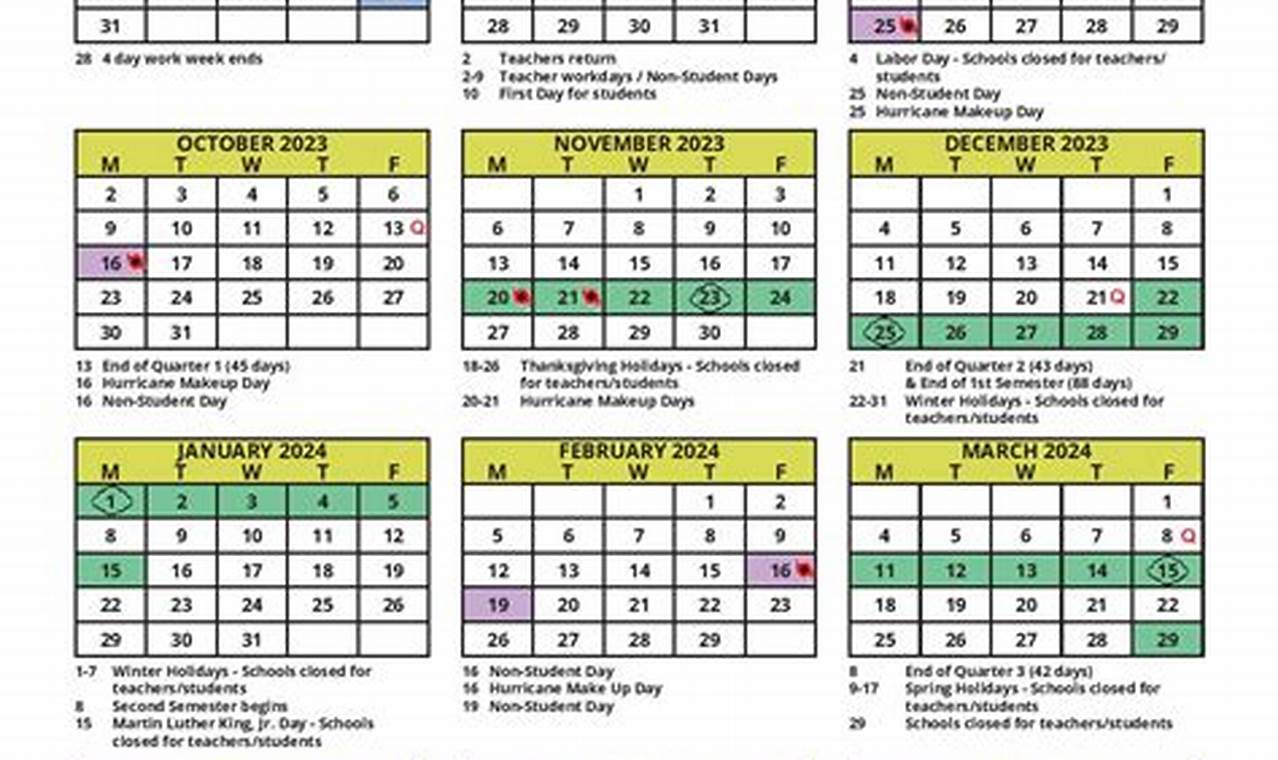
Balancing Core Academics and Electives
Every minute added to remedial reading or math blocks must come from somewhere else. Consequently, high schools often struggle to fit robust career and technical education (CTE) pathways, arts, and physical education into a standard seven- or eight-period day. Students risk missing out on vital elective opportunities if the daily matrix cannot accommodate them.
Impact on Students and Teachers
The downstream effects of scheduling friction are felt most acutely inside the classroom. For teachers, poorly structured planning periods or overloaded rosters reduce the time available for meaningful lesson preparation and grading. For students, tight transition times, overcrowded hallways, and limited access to sought-after elective courses can dampen academic engagement.
Furthermore, specialized programs—such as magnet schools, career academies, and exceptional student education—require tailored adjustments. Integrating these specialized cohorts into a traditional campus framework without creating logistical silos requires constant oversight by school administration.
Pathways Forward and Potential Solutions
Solving these systemic scheduling puzzles requires collaborative planning between district officials, school-based administrators, and educator associations. Potential strategies being explored include:
- Advanced Scheduling Software: Adopting modern data analytics platforms to simulate schedule outcomes and identify bottlenecks before the school year starts.
- Flexible Learning Models: Expanding hybrid or virtual course options to relieve physical classroom capacity and transportation pressures.
- Community Feedback Loops: Engaging parents and staff early in the calendar-drafting process to preemptively address transportation and childcare concerns.
Conclusion
The complexities behind the operational calendar in Pinellas County reflect the broader challenges facing modern American public education. By addressing staffing constraints, refining transportation logistics, and prioritizing student-centered flexibility, district leaders can work toward a more streamlined and effective daily framework. Ultimately, a well-designed operational strategy lays the groundwork for a successful and equitable learning environment for every student in the district.