Pink K 56 Pill: Identification, Uses, and Safety
When navigating the complex world of prescription medications, proper identification is essential for patient safety. One pill that frequently prompts questions is the pink k 56. Understanding what this medication is, how it works, and the strict safety protocols surrounding it can help prevent accidental misuse and ensure it is taken precisely as prescribed.

What is the Pink K 56 Pill?
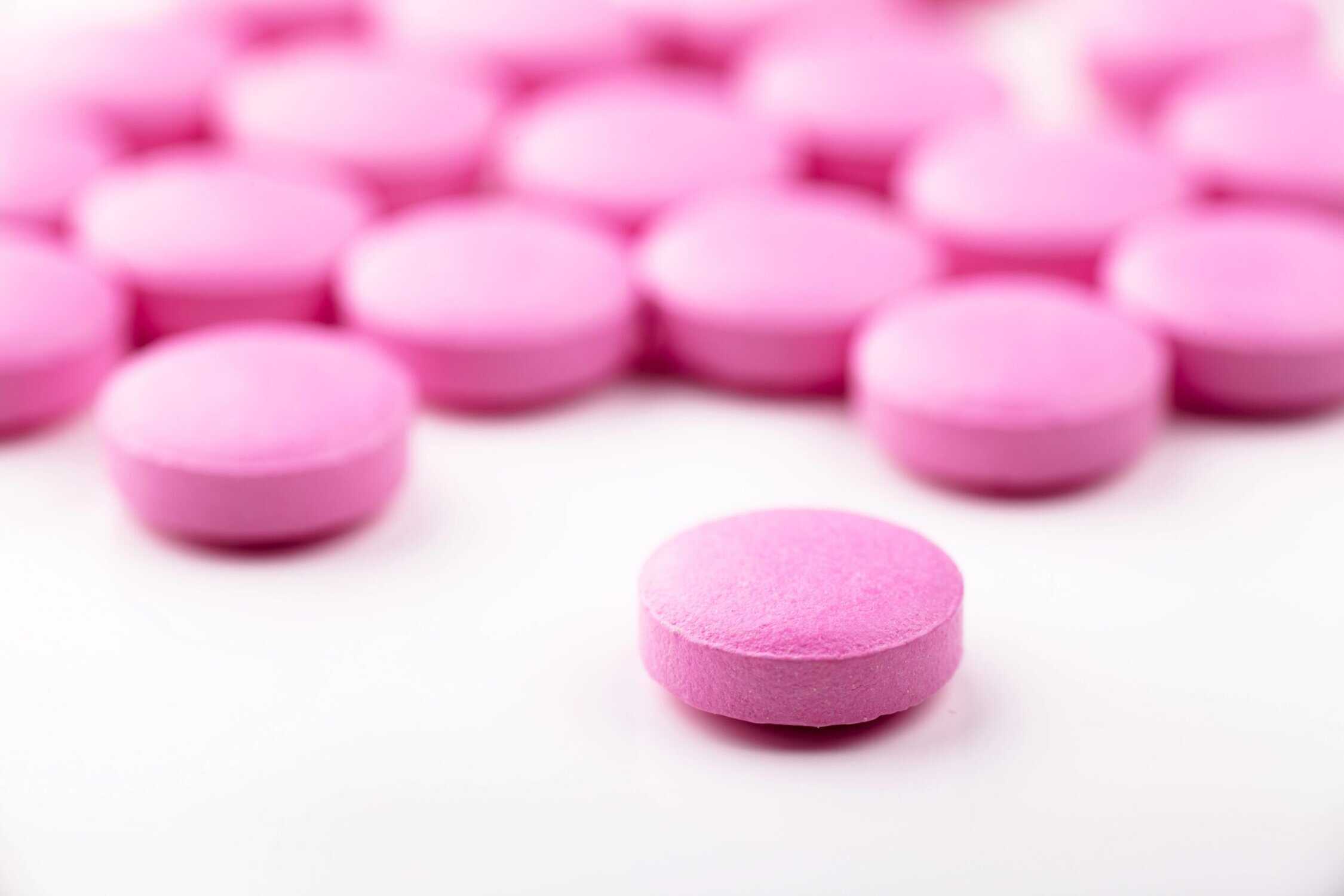
The medication commonly referred to as the pink k 56 is a specific prescription opioid analgesic. It is generally round, pink in color, and bears the imprint "K" on one side and "56" on the reverse. This imprint code identifies the manufacturer and the exact dosage strength of the medication.
Pharmaceutically, this pill contains oxycodone hydrochloride. Oxycodone is a potent central nervous system depressant and opioid agonist. It is prescribed exclusively for the management of moderate to severe pain—typically when non-opioid pain relievers are deemed insufficient or inappropriate for the patient's condition.
Medical Uses and Prescribing Guidelines
Oxycodone medications like the pink k 56 are utilized under strict medical supervision. Because of their potency and high potential for dependence, they are generally reserved for acute pain management, such as recovery from major surgery or severe physical trauma, or for specific chronic pain conditions that do not respond to alternative therapies.
- Pain Relief: Binds to opioid receptors in the brain and spinal cord to reduce the perception of pain.
- Short-Term Management: Frequently prescribed for short durations to minimize the risk of developing physical dependence.
- Individualized Dosing: Dosage is carefully titrated by a healthcare provider based on the patient's pain severity and prior opioid exposure.
Side Effects and Risks
Like all opioid medications, the pink k 56 carries a significant profile of potential side effects and inherent health risks. Patients must be fully informed by their prescribing physician or pharmacist before starting treatment.
Common Side Effects

Most patients experience mild to moderate side effects when first taking oxycodone. These typically include:
- Nausea and vomiting
- Constipation
- Drowsiness or fatigue
- Dizziness or lightheadedness
- Headache
Serious Risks and Complications
More severe risks are associated with opioid use, particularly when instructions are not followed carefully. Respiratory depression—a dangerous slowing of breathing—is the most severe risk. Other major concerns include physical dependence, tolerance, substance use disorder, and severe allergic reactions. Combining this medication with alcohol, benzodiazepines, or other central nervous system depressants dramatically increases the risk of fatal overdose.
Safe Handling and Disposal
Proper storage and disposal of the pink k 56 are critical components of responsible medication management. Because oxycodone is a controlled substance with high street value and abuse potential, safeguarding it within the home is vital.
- Secure Storage: Keep the medication in a locked box or cabinet, out of reach of children, teenagers, and pets.
- Accurate Tracking: Monitor the quantity of pills remaining in the bottle to detect any missing medication immediately.
- Proper Disposal: Never flush prescription opioids down the toilet unless specifically instructed by local guidelines. Utilize local drug take-back programs or authorized pharmacies to dispose of expired or unused pills safely.
When to Seek Medical Attention
If you or someone you know is taking the pink k 56, it is important to recognize the signs of an overdose or adverse reaction. Symptoms of an opioid overdose include extreme drowsiness, inability to wake up, slow and shallow breathing, limp muscles, and cold, clammy skin.
If an overdose is suspected, administer naloxone if available and immediately call emergency services (911). Always consult a licensed healthcare professional for personalized medical advice regarding prescription medications and pain management plans.