PMDG 737-700 Review: Still the Gold Standard?
Introduction to the PMDG 737-700

When Precision Manuals Development Group (PMDG) released the PMDG 737-700 for Microsoft Flight Simulator (MSFS), it set a brand new benchmark for airliner add-ons. Known for their meticulous attention to detail in previous simulator iterations, PMDG brought their flagship Boeing aircraft to the modern platform with high expectations to meet. For virtual pilots seeking a true-to-life study-level experience, this aircraft remains one of the most compelling purchases available in the MSFS marketplace.
In this comprehensive overview, we will break down what makes this aircraft tick, examining its systems depth, flight model, visuals, and overall value for both casual simmers and hardcore aviation enthusiasts.
First Impressions, Exterior, and Cabin Modeling
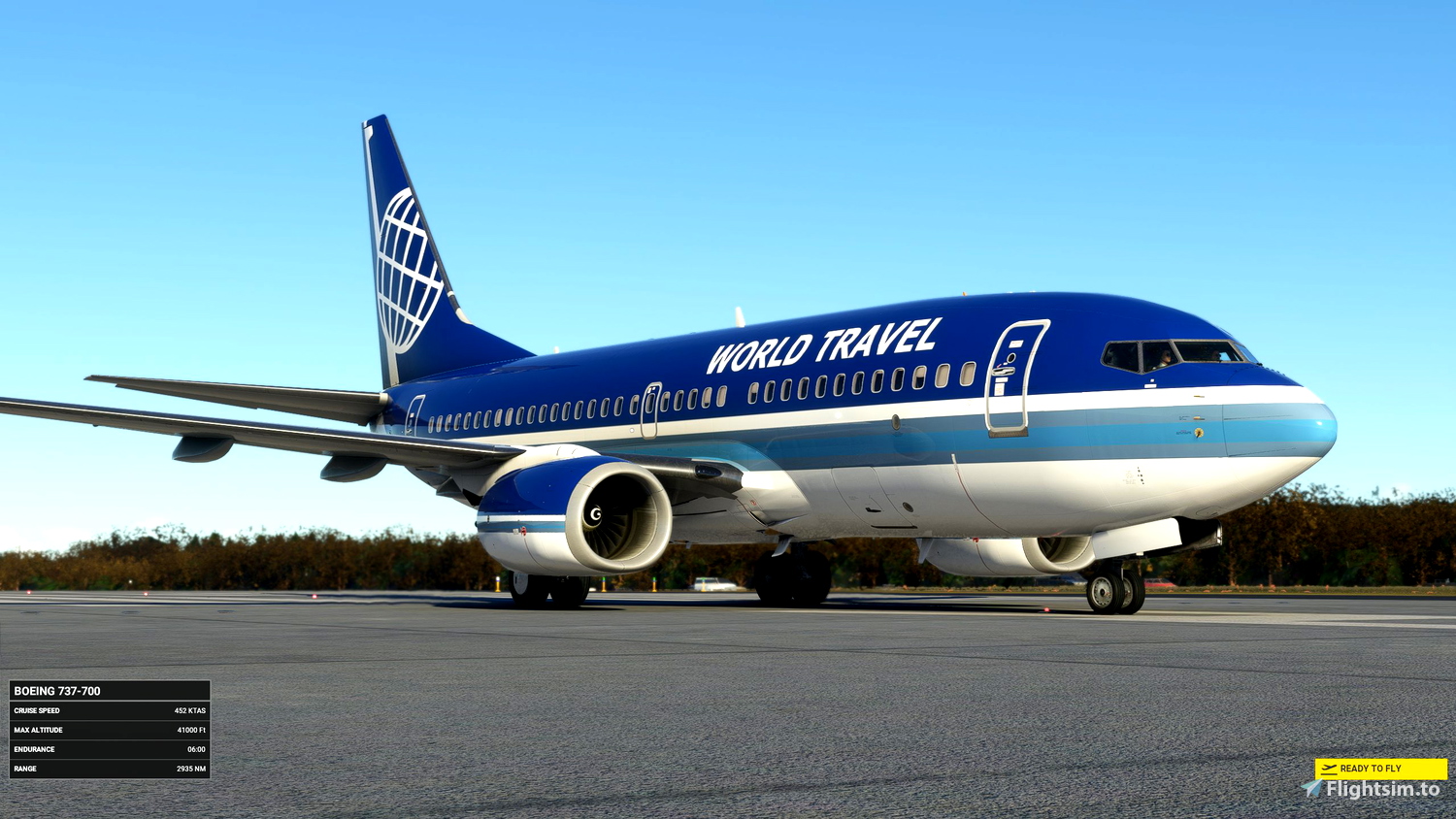
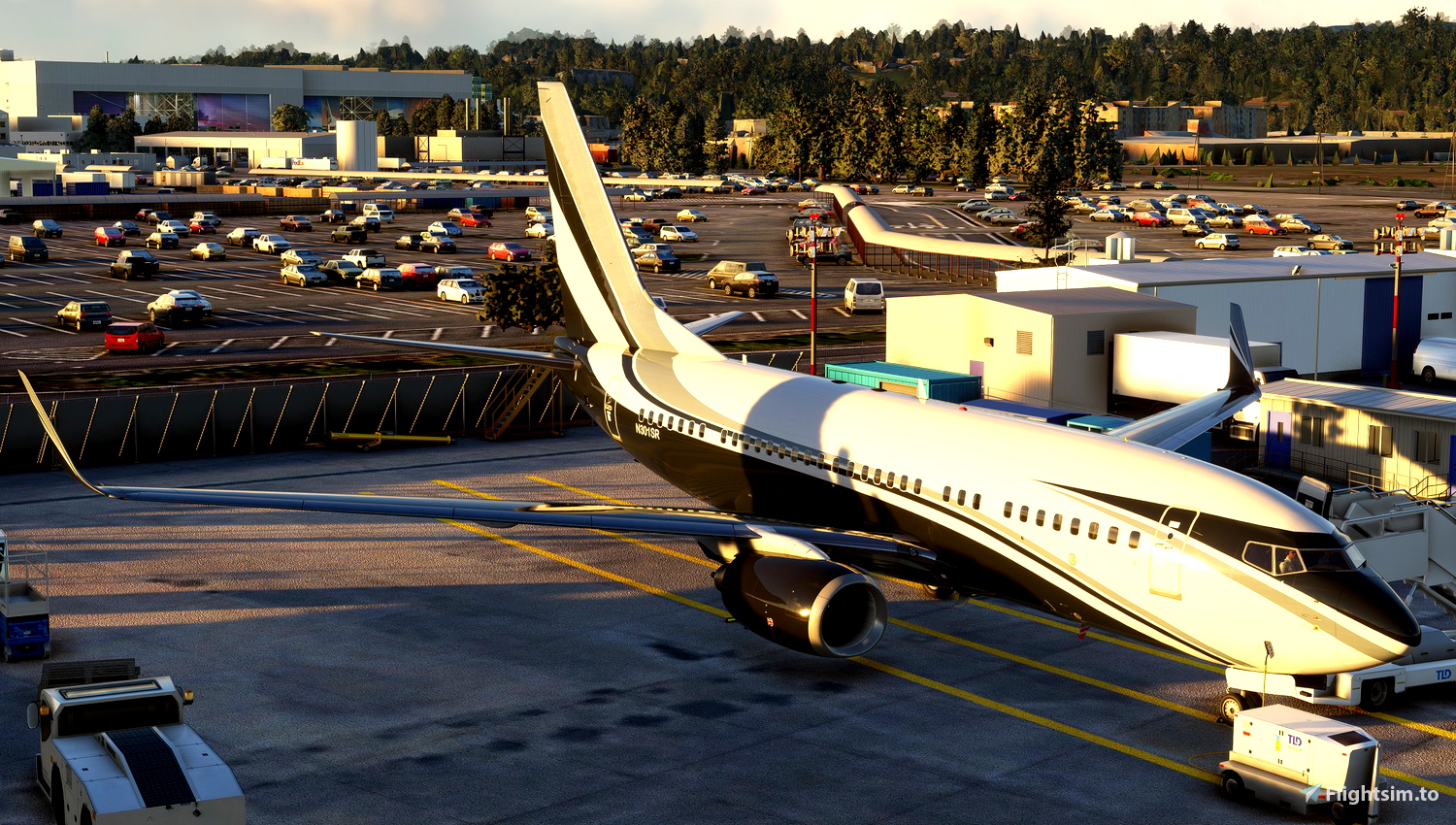
The visual presentation of the PMDG 737-700 strikes a fine balance between high-fidelity texturing and frame-rate optimization. The exterior fuselage features crisp panel lines, realistic weathering, and accurate geometry down to the wingflex and static wicks. PMDG offers various configuration options right out of the box, allowing users to select different winglet types (blended or Scimitar) and airline-specific equipment fits via the Electronic Flight Bag (EFB).
Inside the flight deck, the modeling excels. Switchgear, dials, and displays feature sharp, readable textures that react realistically to lighting conditions. While PMDG traditionally opts out of fully modeling a multi-class passenger cabin to preserve system performance, the functional virtual cockpit is where you will spend 99% of your time anyway. Every knob has a purpose, and every panel looks and feels like its real-world counterpart.
Systems Depth and Avionics
The true heart of any PMDG product is its systems simulation, and the 737-700 does not disappoint. Almost every circuit breaker, hydraulic pump, and pneumatic valve is simulated to a high degree of accuracy. If you improperly configure your packs and bleed air valves during engine start, you will experience realistic consequences.
Flight Management System (FMS)
The custom-coded Flight Management Computer (FMC) is arguably the most robust available in MSFS. It supports complex procedures including:
- SID/STAR routing with realistic altitude and speed constraints.
- VNAV and LNAV calculations that match real-world Boeing performance tables.
- Custom HOLD entries, offset paths, and secondary flight plans.
The autopilot logic mirrors the real Boeing Flight Guidance System, allowing for smooth captures of localizers, glideslopes, and RNAV/RNP approaches. Coupled with the head-up display (HUD), flying low-visibility approaches is an immersive challenge.
Flight Model and Performance
Video: The 737 For MSFS2020 - Really Worth $70? PMDG
Airliner physics can be notoriously difficult to tune in flight simulators, but PMDG utilizes its decades of flight dynamics experience to deliver an authentic feel. The PMDG 737-700 handles with the appropriate inertia and weight expected of a regional-to-medium-haul narrowbody jet.
Ground Handling: Taxiing requires realistic breakaway thrust, and braking feels appropriately weighted.
In-Flight Dynamics: Pitch and roll trim changes during flap extensions and configuration shifts demand constant pilot attention and accurate trim management.
Furthermore, the aircraft is remarkably frame-rate friendly. Even on mid-range systems, the addon maintains smooth performance, avoiding the stutter-fest issues plaguing some poorly optimized complex aircraft.
Sound Design and Immersion
Audio plays a massive role in flight simulation immersion, and the soundscape included with the 737-700 is exceptional. Powered by custom audio engines, you will hear the distinct whine of the CFM56 engines spooling up, the hum of the avionics cooling fans in the cockpit, and the thuds of gear retraction.
Passenger cabin announcements, click sounds from switches, and environmental wind noise dynamically change depending on window heat settings and exterior conditions. Paired with a good headset or surround sound system, the audio environment pulls you straight into the captain's seat.
Value and Expansion Options
Purchasing the 737-700 also grants you access to the base platform required for PMDG’s broader 737 lineup. Because PMDG prices their individual variants separately, you can choose to fly just the -700, or expand your hangar later to include the -600, -800, or -900 variants depending on your route preferences.
The -700 is particularly popular among virtual airline pilots who enjoy flying shorter domestic hops, regional routes, and challenging fields with shorter runways where the smaller airframe shines.
Conclusion
The PMDG 737-700 remains a masterclass in aircraft add-on development for Microsoft Flight Simulator. While the pricing model of buying variants separately may deter some, the sheer depth of systems, reliable performance, and accurate flight dynamics justify the cost for serious simulation enthusiasts. If you want to master a modern airliner that rewards study and procedural discipline, adding this aircraft to your hanger is an absolute must.