PointClickCare: The Unexpected Benefit
Introduction to PointClickCare in Modern Healthcare

When long-term care facilities, skilled nursing centers, and senior living communities evaluate electronic health record (EHR) systems, they usually look at the standard checklist. Does it handle billing? Is it compliant with federal and state regulations? Can doctors easily sign off on medication orders? Software evaluations tend to focus heavily on regulatory compliance, risk management, and basic clinical documentation.
However, once a facility goes live with Poimtclickcare: The Unexpected Benefit That Blew Me Away often becomes apparent only after the dust settles. While the robust billing modules and comprehensive charting capabilities are expected, the profound cultural and operational shift that follows implementation catches many administrators completely off guard.
In this article, we look beyond the standard feature list to explore the hidden advantage that fundamentally changes how care teams operate, communicate, and support one another on the floor.
The Standard Expectations vs. The Reality
Most directors of nursing and facility administrators implement cloud-based EHR platforms to solve specific operational headaches. The primary drivers usually include:
- Eliminating paper-based charting errors and missing signatures.
- Streamlining the Minimum Data Set (MDS) assessment process for faster reimbursement.
- Improving medication administration record (MAR) accuracy.
- Providing secure, role-based access for visiting physicians and therapists.
These are all valid, predictable reasons to invest in a market-leading platform. Yet, focusing solely on administrative compliance misses the bigger picture of how daily technology usage influences human behavior inside a healthcare facility.
The Unexpected Benefit That Blew Me Away
After months of observing floor nurses, physical therapists, social workers, and administrative staff interact with the system, one major realization emerged: the platform acts as an unexpected catalyst for radically improved cross-departmental communication and dramatically lowered staff burnout.
Breaking Down Silos Between Departments
In traditional or fragmented digital environments, departments often operate in functional silos. Dietary notes stay in the kitchen, physical therapy progress stays in the rehab gym, and nursing notes live at the nurse's station. This fragmentation creates dangerous blind spots in resident care.
Video: Leveraging Unstructured Data to Improve Care and Reimbursement at PointClickCare

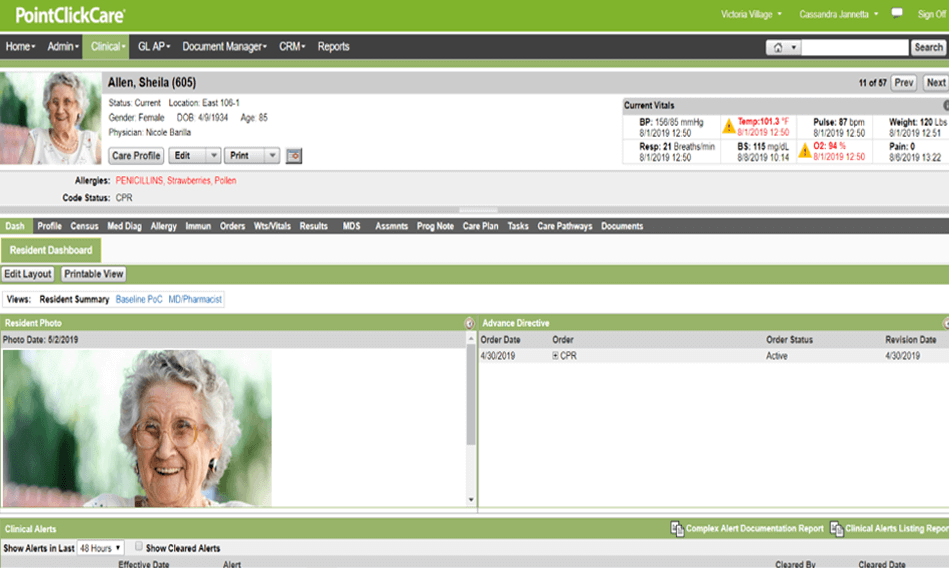
With a unified cloud platform, every authorized team member views a centralized, real-time narrative of the resident's day. When a dietary aide logs that a resident refused breakfast, the speech therapist reviewing the chart later that morning immediately has the context they need. This seamless loop of information eliminates the endless game of telephone that typically plagues busy shifts.
Reducing Cognitive Load and Burnout
Burnout in long-term care is rarely caused by caring for residents; it is almost always driven by administrative friction. Hunting down paper binders, deciphering messy handwriting, and tracking down doctors for verbal orders drain nurses of their energy.
By streamlining documentation into intuitive workflows, the software gives nurses their time back. When staff members spend less time fighting with paperwork, they spend more direct time interacting with residents. That reduction in friction directly correlates with higher staff retention and a calmer, more predictable work environment.
Real-World Impact on Resident Outcomes
Better communication and reduced staff stress naturally trickle down to the people who matter most: the residents and their families.
- Faster Interventions: Real-time vitals tracking and automated alerts mean subtle changes in condition are flagged hours earlier than they would be on a paper-based system.
- Transparent Family Updates: Families appreciate when care conferences are backed by precise, up-to-the-minute data rather than guesswork and delayed incident reports.
- Fewer Medication Errors: Barcode medication administration (BCMA) integrations provide a vital safety net during chaotic shift changes.
These cumulative improvements elevate the standard of care from reactive firefighting to proactive, personalized wellness management.
Maximizing Your Investment Beyond the Basics
If your facility already utilizes this technology—or if you are currently in the implementation phase—you can take specific steps to unlock these hidden cultural benefits:
- Encourage Cross-Training: Ensure that physical therapists, social workers, and aides understand how their documentation impacts other departments.
- Audit Your Workflows: Regularly review charting templates to remove redundant clicks that cause unnecessary frustration for floor staff.
- Celebrate Wins: When a seamless digital handover prevents a clinical error or improves a resident's day, highlight that success during staff meetings.
Conclusion
Choosing an enterprise EHR system is ultimately a strategic business decision, but its true value is measured in human terms. While regulatory compliance and streamlined billing are essential baseline features, the unexpected benefit of unified communication and reduced burnout is what truly transforms a facility. When technology empowers care teams to work as a cohesive, frictionless unit, everyone wins—especially the residents who call your facility home.