Pokemon Cards Value: How to Price Your Collection
Understanding Pokemon Cards Value in Today's Market

Whether you recently rediscovered your childhood binder in the attic or you are a modern collector tracking market trends, figuring out pokemon cards value can feel overwhelming. The Pokémon Trading Card Game (TCG) has been around for over 25 years, creating a massive secondary market where individual cards range from a few cents to hundreds of thousands of dollars.
Determining what your collection is actually worth requires more than just looking at the character pictured on the front. Factors like rarity symbols, card condition, printing variations, and current market demand all play a massive role. This guide breaks down the essential steps to accurately appraise your cards and avoid common pricing mistakes.
Key Factors That Determine Pokemon Cards Value
Not all shiny cards are valuable, and not all valuable cards look flashy. To understand pricing, you need to examine specific markers printed directly on the card.
1. Rarity Symbols
In the bottom right or bottom left corner of almost every Pokémon card, you will find a small symbol indicating its rarity:
- Circle: Common. These are printed in high volumes and rarely hold significant financial value.
- Diamond: Uncommon. Slightly scarcer than commons, but still typically worth only a few cents.
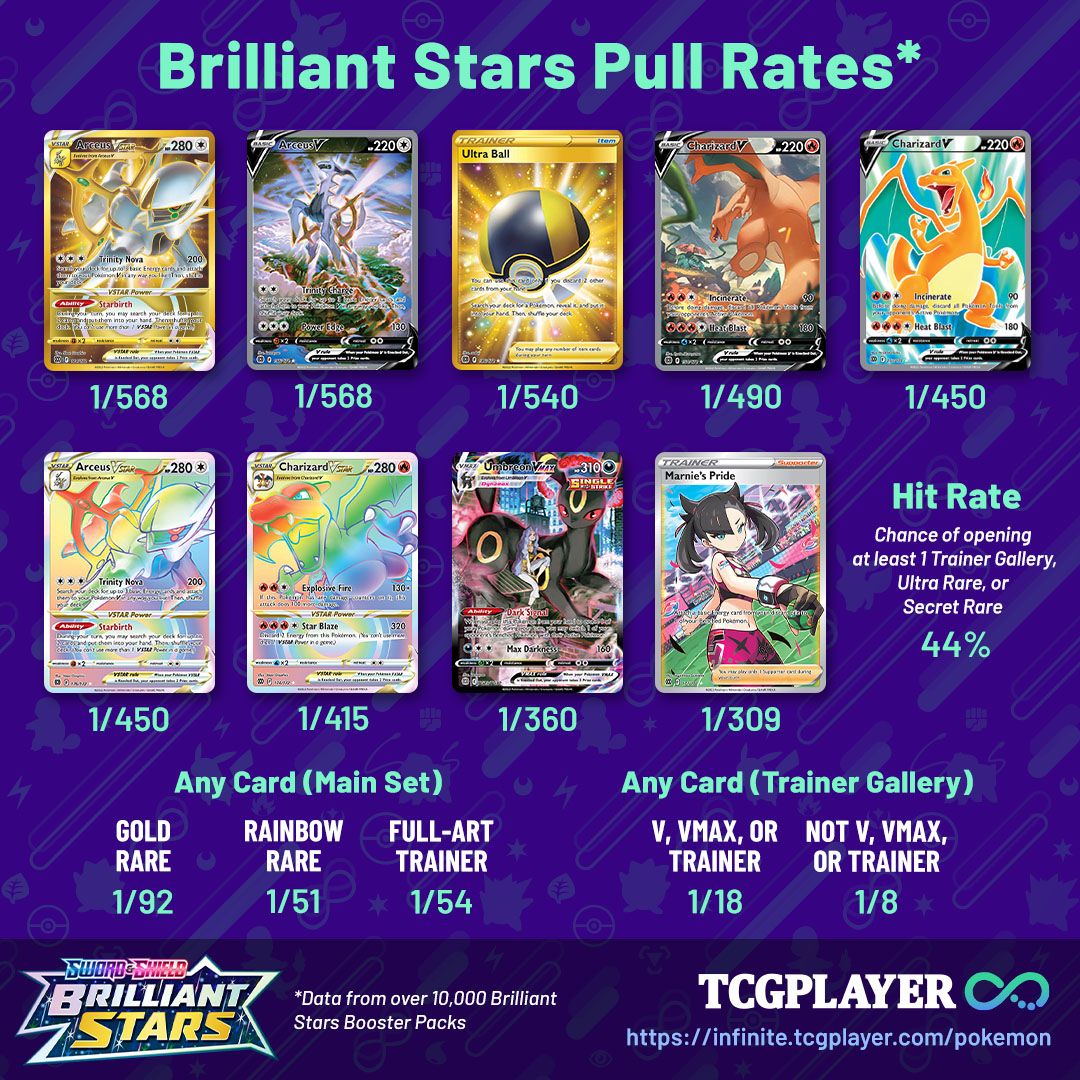
- Star: Rare. These cards are guaranteed in every booster pack and form the baseline for collectible cards. Ultra-rare variations include double rare, illustration rares, and secret rares.
2. Edition Markers and Vintage Stamps
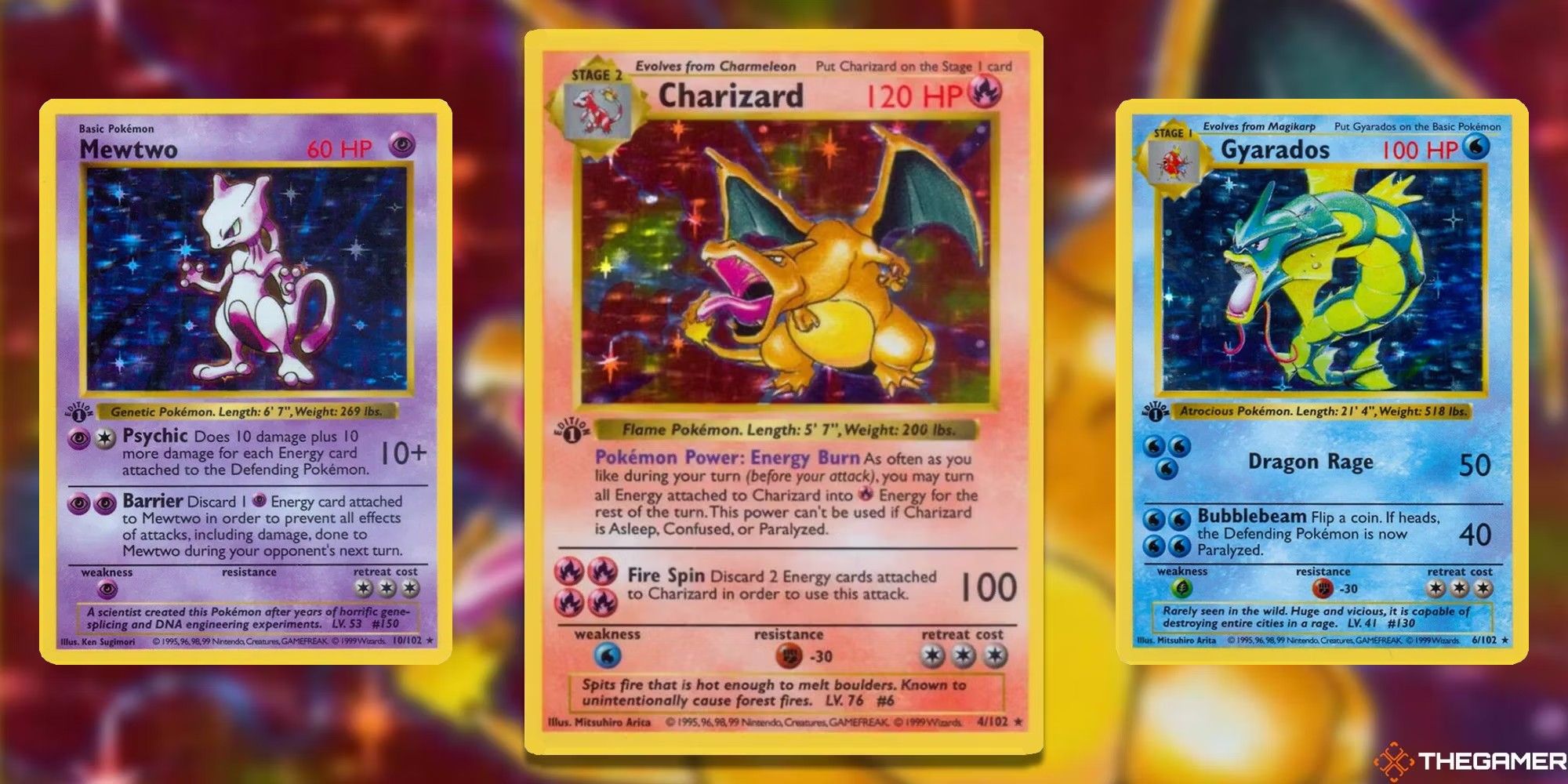
If you are looking at cards printed between 1999 and 2003, vintage markers heavily influence value. For example, original Base Set cards from Wizards of the Coast feature a small "1st Edition" black stamp just below the left side of the artwork. First edition cards are exponentially more valuable than their unlimited-print counterparts.
3. Holographic and Alternative Finishes
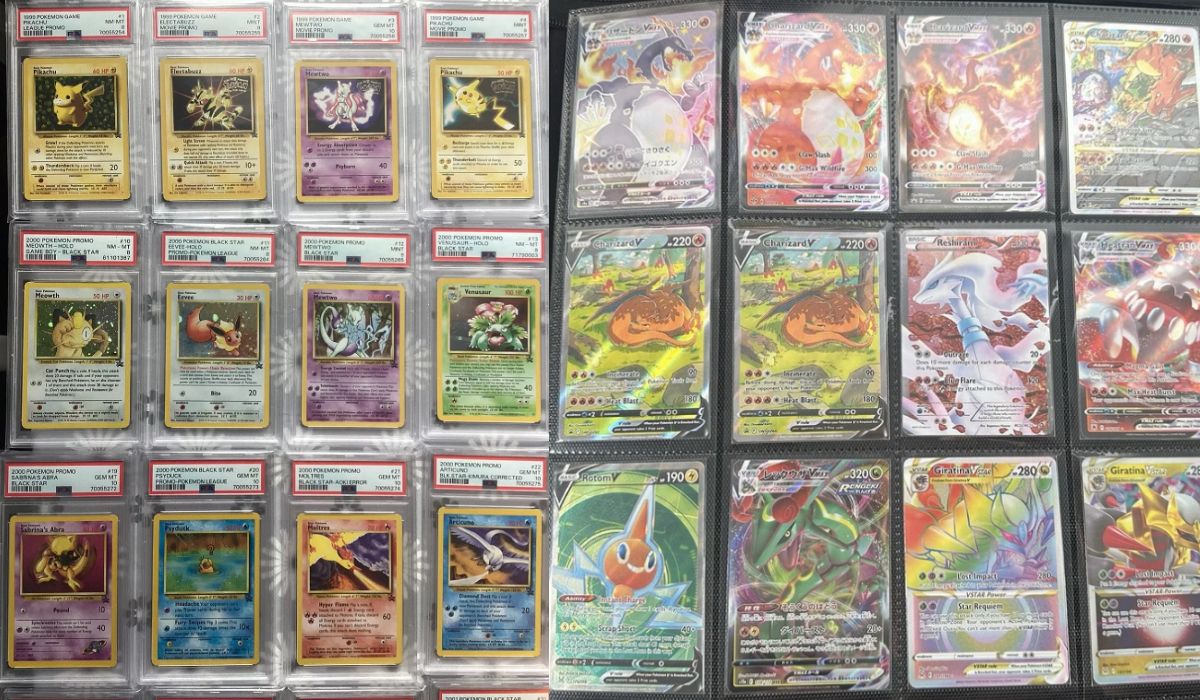
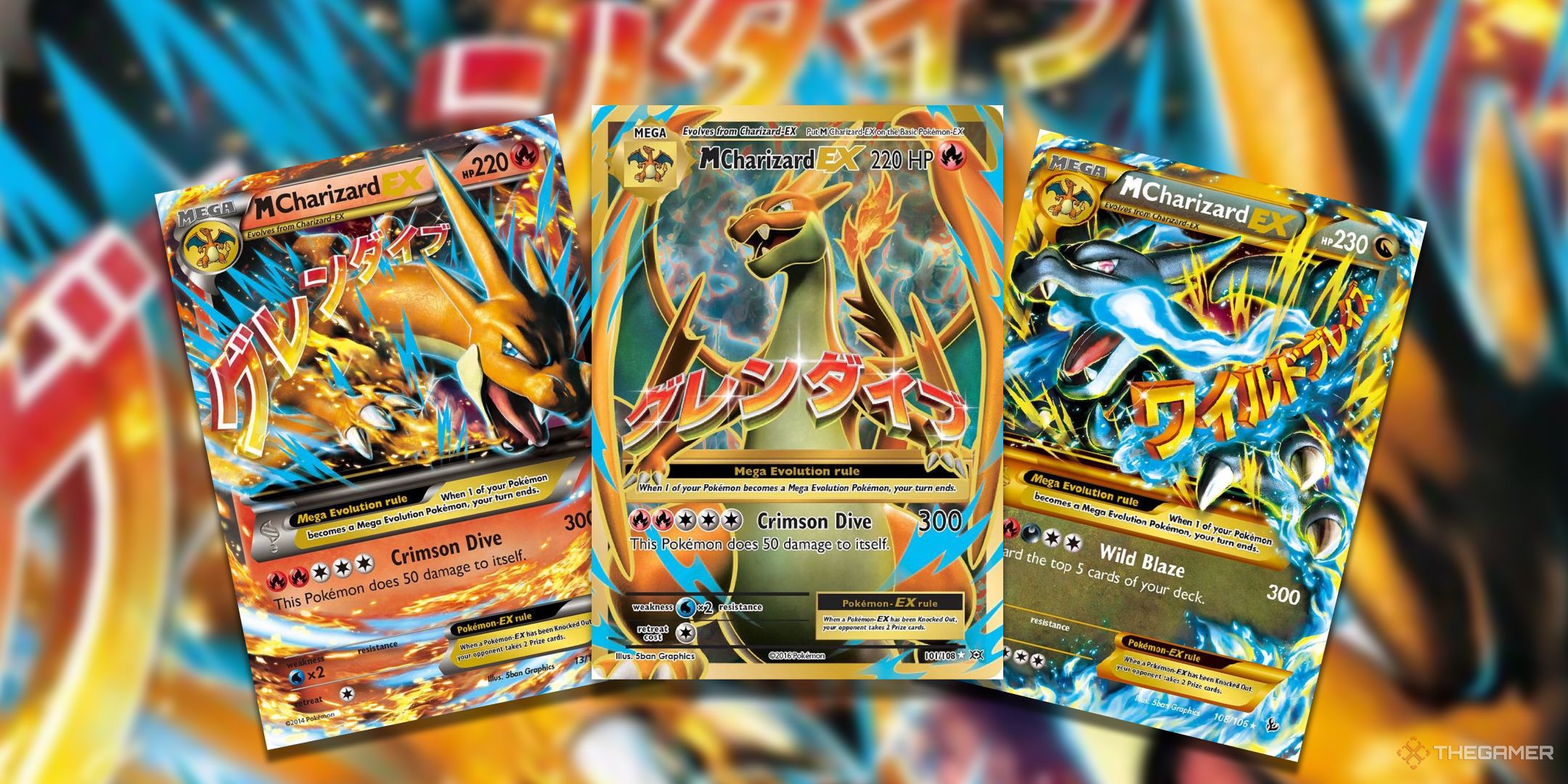
Holo patterns have evolved dramatically over the decades. Traditional Base Set holos feature a shiny background behind the character illustration. Modern sets feature reverse holos (where the background shines instead of the art), full-art ultras, and textured secret rares. Generally, cards where the artwork breaks out of the standard frame or features textured etching command higher prices.
The Critical Role of Card Condition
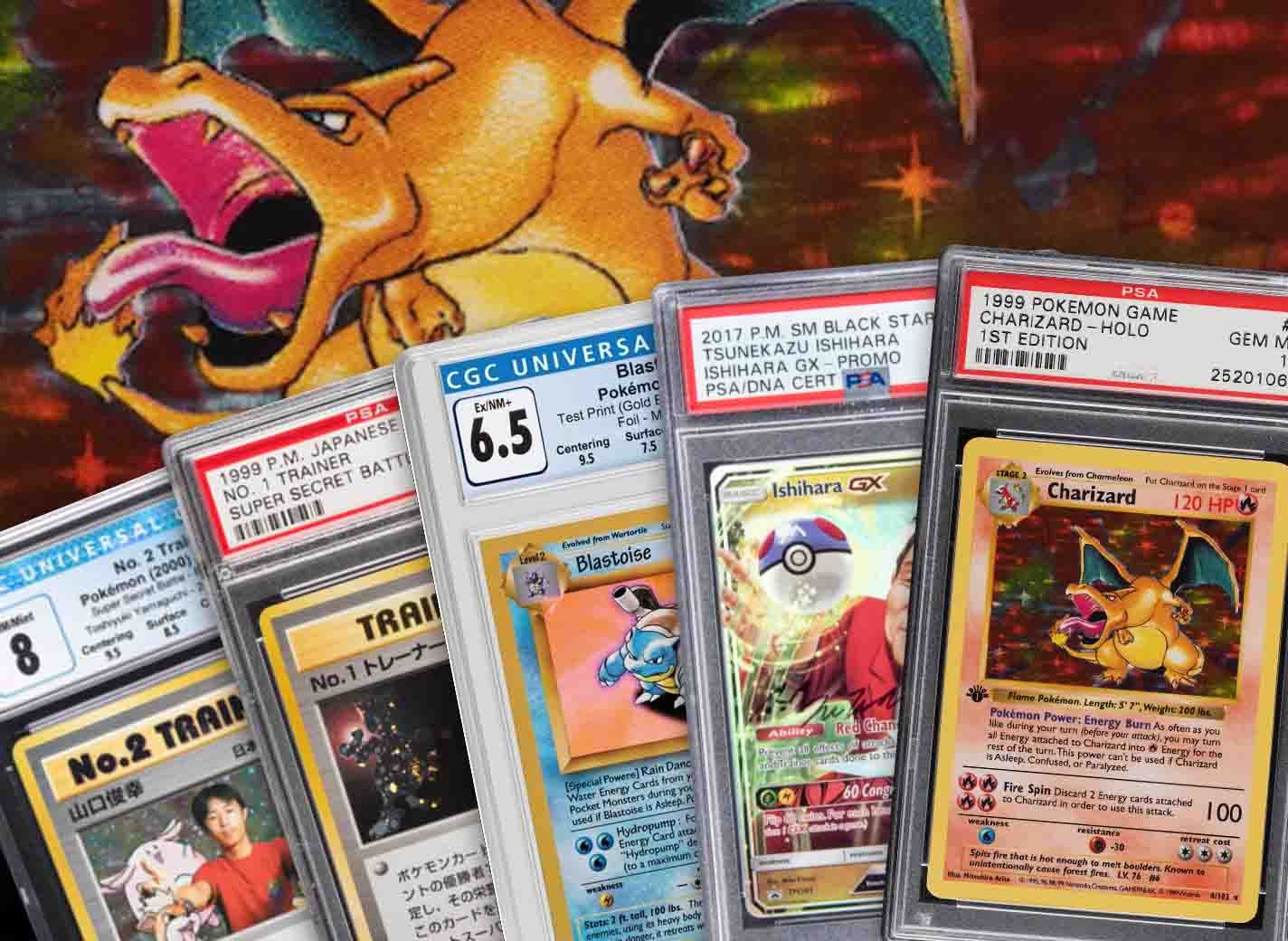
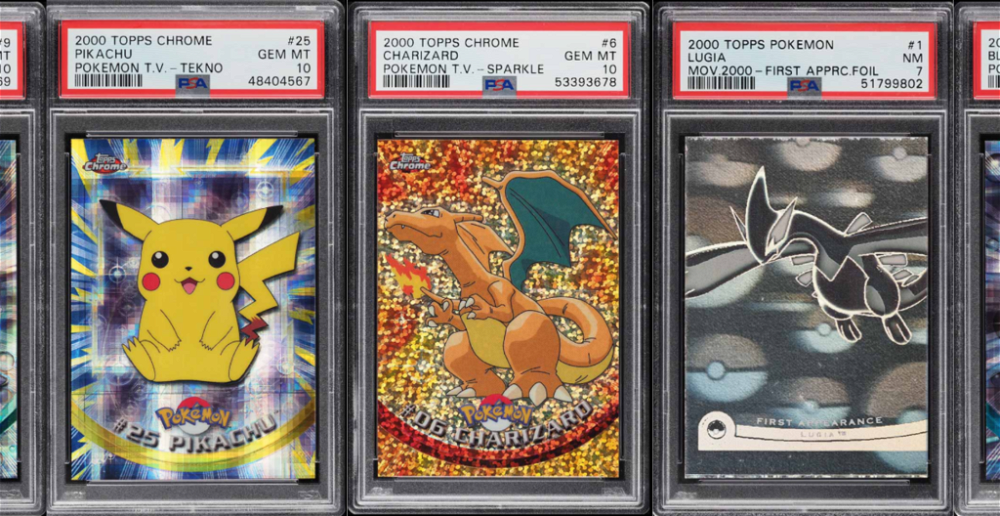
Condition is arguably the most important multiplier of pokemon cards value. A pristine, flawless card can easily sell for 10 times more than a heavily damaged version of the exact same card. Professional grading companies like PSA, Beckett (BGS), and CGC use a 10-point scale to grade cards.
When inspecting your collection without a microscope, look out for the following condition tiers:
- Mint / Gem Mint (PSA 9-10): Virtually flawless. Perfectly centered borders, zero surface scratches, clean back, and sharp corners.
- Near Mint (NM): Excellent condition with very minor flaws, such as a tiny nick on the back edge visible only upon close inspection.
- Lightly Played (LP): Minor border whitening or slight surface scuffing from being slid in and out of sleeves or binders.
- Moderately / Heavily Played (MP/HP): Noticeable creases, heavy edge wear, dirt stains, or small tears. These cards usually hold value only if they are extremely rare vintage pieces.
How to Check Current Market Prices
Never rely on asking prices or active listings on auction sites to value your cards; sellers can ask for any amount they want. Instead, look at completed and sold listings to see what buyers are actually paying.
The best tools and platforms for checking prices include:
- TCGplayer: The industry standard marketplace for North America. Their price guide shows market trends, low/median/high pricing, and historical sales data.
- Cardmarket: The primary equivalent platform for European collectors.
- eBay Sold Listings: Essential for rare, vintage, or graded cards. Filter your search by "Completed Items" and "Sold Items" to see actual transaction prices.
- PriceCharting: Excellent for tracking historical trends of graded cards and entire set valuations.
Should You Get Your Cards Professionally Graded?
Grading services authenticate cards, seal them in tamper-evident plastic slabs, and assign them a numerical grade. However, grading is not free—it usually costs between $15 to $50+ per card, plus shipping and insurance.
You should generally only consider professional grading if:
- The card is a high-value vintage piece (like a Charizard from 1999) and you expect a grade of 8 or higher.
- It is a modern, highly sought-after chase card (such as a special illustration rare from a recent set) that looks flawless.
- You plan to sell an expensive card online, as buyers feel safer purchasing graded items.
For low-value bulk cards, the cost of grading will far exceed any potential profit. In those cases, selling them as bulk lots to local game stores or other collectors is the most practical route.
Final Thoughts on Selling or Storing Your Collection
Once you have a solid grasp of your pokemon cards value, protect your investment. Store valuable cards in soft penny sleeves followed by rigid toploaders or magnetic one-touch cases, keeping them away from direct sunlight and humidity. If you decide to cash out, research local card shops, online buylist vendors, or peer-to-peer marketplaces to find the best balance of convenience and profit.