Polaris Slingshot 1/4 Mile Times & Performance Guide
Introduction to Polaris Slingshot Performance

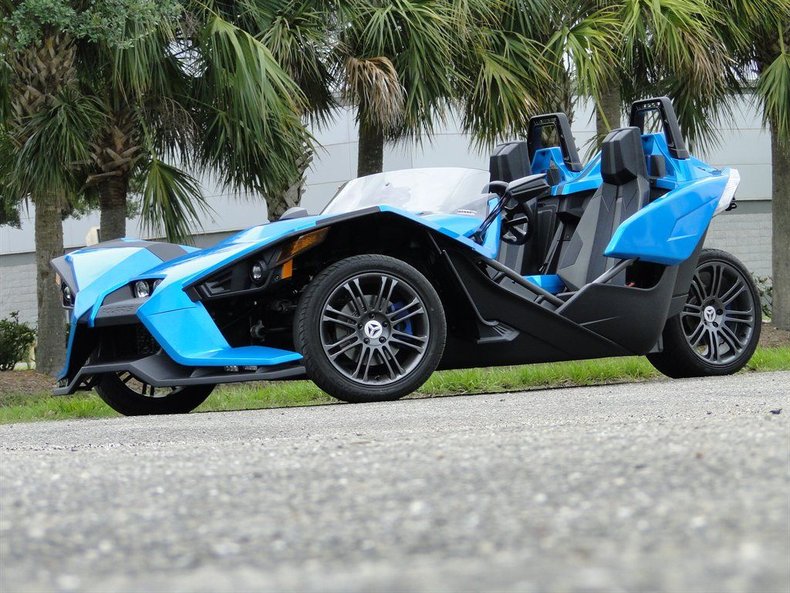
The Polaris Slingshot defies traditional vehicle categories. Part motorcycle, part sports car, and entirely unique, this three-wheeled open-air cruiser commands attention wherever it goes. But beyond its aggressive styling and cornering agility, performance enthusiasts always ask one burning question: What is the polaris slingshot 1/4 mile time?
Understanding how this machine performs down the drag strip requires looking at its factory specifications, weight-to-power ratio, and how various model years and aftermarket modifications change the equation.
Stock Polaris Slingshot 1/4 Mile Times
When Polaris first introduced the Slingshot in 2015, it was powered by a GM-sourced 2.4-liter Ecotec four-cylinder engine. Over the years, Polaris evolved the platform, culminating in the introduction of the ProStar four-cylinder engine developed entirely in-house. These mechanical updates drastically shifted performance capabilities.
First Generation (2015–2019 Models)
The early models featured the 2.4L engine, producing 173 horsepower and 166 lb-ft of torque, paired with a manual or automated manual transmission. Weighing around 1,740 pounds, these earlier base and SL models offered a decent power-to-weight ratio.
- 0–60 mph: Approximately 5.5 to 5.9 seconds
- 1/4 Mile Time: Roughly 14.1 to 14.5 seconds at around 95–98 mph
While fun on winding backroads, these early units struggled for traction off the line due to the single rear wheel spinning easily under hard acceleration.
Second Generation (2020–Present Models)
The introduction of the ProStar engine changed everything. Higher-trim models like the SL, SLR, and R variants pump out up to 203 horsepower. Combined with the AutoDrive automated transmission or a crisper 5-speed manual, the newer variants accelerate much harder.
- 0–60 mph: 4.9 seconds (or under 4.6 seconds in the 203-hp 'R' trim)
- 1/4 Mile Time: 13.5 to 13.8 seconds at roughly 100–103 mph
A stock Polaris Slingshot R can comfortably clear the quarter-mile in the mid-13-second range in optimal conditions with a skilled driver managing wheelspin.
Video: SNEAK PEEK - The World's Quickest Normally Aspirated Slingshot, 12.76 seconds in the 1/4 Mile!
Factors Affecting Slingshot Drag Strip Performance

Getting a consistent quarter-mile time out of a three-wheeled vehicle is harder than driving a standard rear-wheel-drive sports car. Several physical characteristics dictate how a Slingshot performs on the strip.
1. Rear Tire Traction
Because the Slingshot uses a single drive wheel in the back, traction is the single biggest bottleneck. Dumping the clutch at high RPMs usually results in instant tire smoke rather than forward momentum. Drivers must learn how to slip the clutch or modulate throttle input to find the fine line between grip and wheelspin.
2. Transmission Choice
The debate between the 5-speed manual and the AutoDrive transmission comes down to consistency. While the manual transmission allows for more aggressive launches when paired with an experienced driver, the AutoDrive shifts predictably, making it easier for casual drivers to repeat their drag strip numbers.
3. Weight and Aerodynamics
Weighing under 1,800 pounds, the Slingshot benefits massively from its lightweight design. However, its wide, blunt front fascia creates significant aerodynamic drag at higher speeds, which slightly hinders its trap speed past the 1/8 mile marker.
How to Make a Polaris Slingshot Faster in the 1/4 Mile
Many owners aren't satisfied with factory performance. The aftermarket community for these three-wheelers is massive, offering plenty of upgrades to shave precious seconds off your polaris slingshot 1/4 mile slip.
- ECU Tunes: A professional engine calibration can unlock hidden horsepower, raise the rev limiter, and optimize air-fuel ratios, often dropping up to half a second off your quarter-mile time.
- Turbocharger Kits: For serious speed hunters, bolt-on turbo kits can push output past 300 or even 400 horsepower. However, upgrading internal engine components and drivetrain parts becomes necessary to handle the extra boost.
- Upgraded Rear Tires: Swapping the factory rear tire for a stickier compound or a wider tire setup vastly improves launch traction, directly translating to quicker 60-foot times and better quarter-mile results.
- Exhaust and Intake Upgrades: Free-flowing cold air intakes and cat-back exhaust systems help the engine breathe better while giving the Slingshot a much more aggressive exhaust note.
Conclusion
The Polaris Slingshot isn't built specifically to be a dedicated drag car, but it certainly holds its own on the strip. While a stock modern model runs the quarter-mile in a respectable mid-to-high 13-second range, aftermarket modifications can easily transform it into a sub-12-second street monster. Whether you keep yours bone stock for weekend cruising or turbocharge it for maximum thrills, the Slingshot delivers an unforgettable ride every time you hit the throttle.