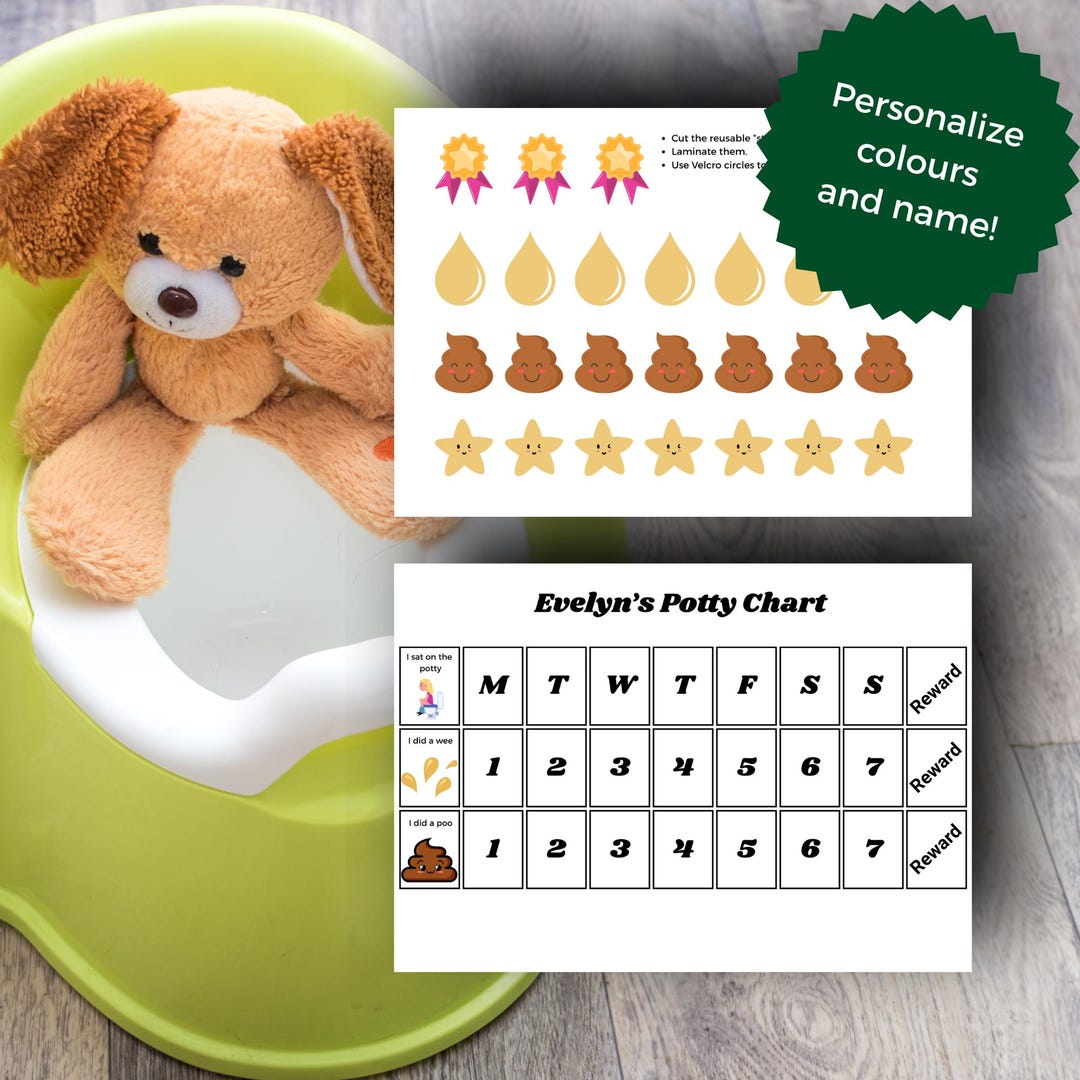
Potty Success Starts with Customizable Charts
Toilet training can feel like one of parenting’s greatest endurance tests. Between endless loads of laundry, accidental floor puddles, and negotiations over sitting on the porcelain throne, parents are constantly searching for effective strategies. While every child develops at their own pace, a reliable motivational tool can make all the difference in turning resistance into enthusiasm. That is why potty success starts with customizable charts, offering a tailored approach that speaks directly to a toddler's unique interests and developmental stage.

Why Generic Potty Charts Often Fall Short
Walk down the seasonal aisle of any big-box store, and you will find dozens of generic toilet training trackers. While these pre-made sheets featuring generic cartoon animals or standard star stickers seem convenient, they often fail to capture a child's attention for long. Children quickly lose interest when a chart feels impersonal or too rigid for their daily routine.
Every child is motivated by different things. One toddler might be obsessed with construction vehicles, while another is entirely captivated by outer space, magical unicorns, or dinosaurs. When a tracking system ignores these individual passions, it becomes just another piece of paper on the wall. Customization injects personality into the process, transforming a chore into an exciting daily game.
Potty Success Starts with Customizable Charts: Key Benefits
Personalizing your toddler's toilet training tracker offers distinct psychological and practical advantages. When children help design their own milestone trackers, they transition from passive participants to active decision-makers in their own development.
1. Boosting Ownership and Autonomy
Toddlers crave independence. Allowing your child to pick the color scheme, select the theme, or choose the specific stickers for their board gives them a healthy sense of control. When they feel like the system belongs to them, they are far more likely to care about filling it up. This ownership reduces power struggles and makes them proud to show off their progress to family members.
2. Breaking Down Big Goals into Manageable Steps
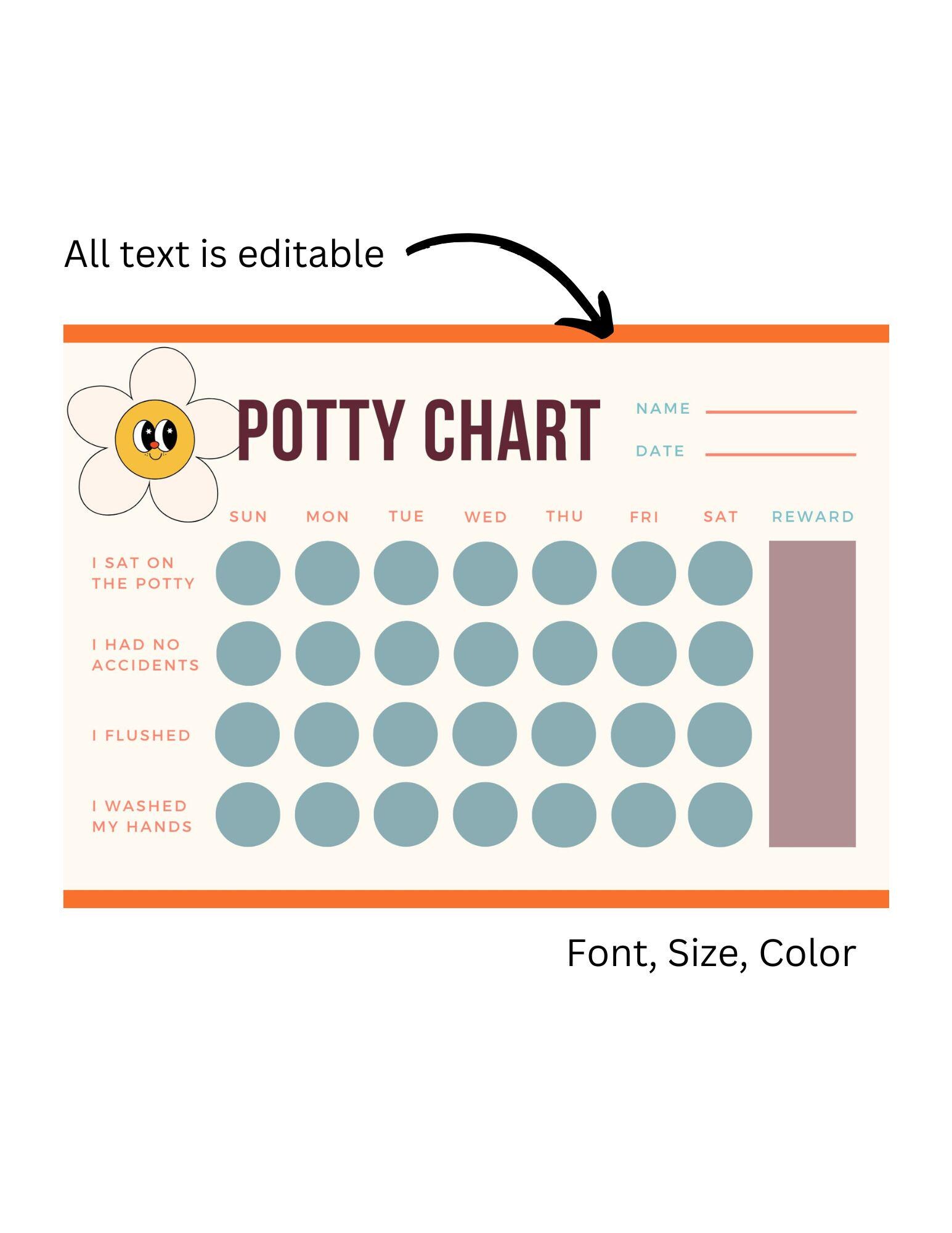
The concept of staying dry all day can feel abstract and overwhelming to a two- or three-year-old. Customizable trackers let you define what success looks like for your family's current phase of training. You can break down the process into actionable micro-steps:
- Successfully sitting on the training seat for one minute.
- Washing and drying hands independently afterward.
- Attempting to go upon waking up or before leaving the house.
- Achieving a dry diaper or underwear block for a specific time window.
As your child masters each phase, you can easily redraw or reprint the visual tracker to reflect new, slightly more advanced milestones.
3. Catering to Individual Sensory and Visual Needs
Not all children process information the same way. Some toddlers respond best to bright, high-contrast primary colors, while others find cluttered pages overstimulating and prefer minimalist designs with plenty of white space. By tailoring the visual layout, you ensure the chart matches your child's cognitive processing style, making it easier for them to understand the connection between their actions and the reward.
How to Create Your Own Personalized Tracker
Video: potty chart

You do not need to be a professional graphic designer to build an effective visual incentive system. In fact, making the creation process a collaborative weekend art project can double as a bonding experience.
Gather Your Materials
Grab a large poster board, heavy cardstock, or a white-erase board. Pull out markers, crayons, glitter, and a stash of stickers featuring your child's current favorite characters or animals. If you prefer a digital route, numerous online design templates allow you to insert photos of your child, family pets, or favorite toys right into the layout.
Establish Clear, Achievable Rules
Keep the rules simple and visible. Dedicate a small corner of the board to illustrate what earns a sticker—whether it is squeezing out a few drops in the toilet or simply trying. Avoid making the rules too complex; toddlers need immediate reinforcement to connect the behavior to the reward.
Designate Meaningful Rewards
While stickers are great micro-incentives, connect rows or completed sheets to larger, non-food rewards. For example, completing five rows might earn a trip to the park, picking out a bedtime story, or a special indoor dance party. Tailor these treats to what your child genuinely loves.
Tips for Maintaining Momentum During Training
Even the most beautifully customized tracker will hit a plateau if the routine becomes stale. Keep the following best practices in mind to sustain enthusiasm over the coming weeks:
Keep it positive: Never use the tracker as a punitive tool. If an accident happens, simply clean up without lecturing, and remind them that the next sticker is just around the corner.
Celebrate immediately: Praise and celebration should happen the moment the action occurs, reinforcing the positive neural pathway.
Evolve the system: As training progresses from daytime consistency to nighttime dryness, update the tracker so it continues to challenge and engage your child.
Conclusion
Toilet training is a monumental milestone that requires patience, consistency, and the right psychological tools. By shifting away from generic store-bought sheets and embracing a personalized approach, you remove much of the daily friction. Remember that potty success starts with customizable charts that honor your child's individuality, turning a potentially stressful phase into a rewarding journey of growth and independence.