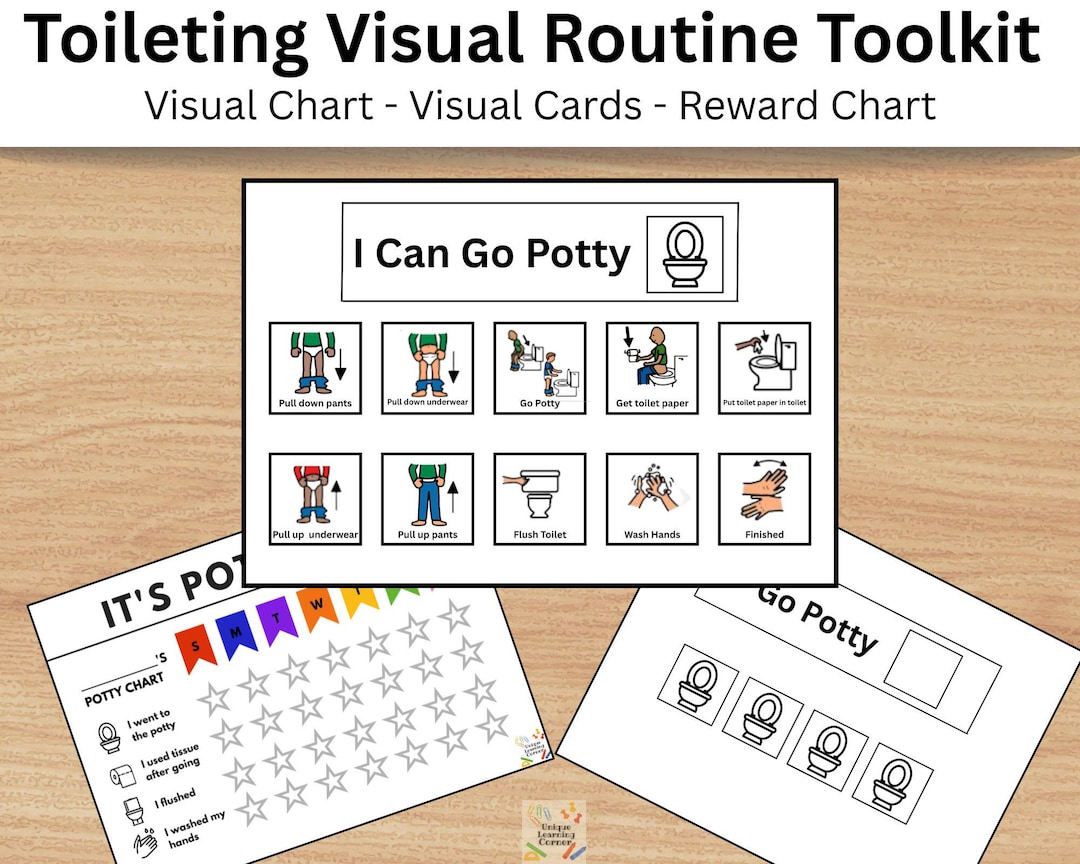
Potty Training Chart Template: A Visual Guide
Potty training can feel like one of the steepest mountains in early parenthood. Between the false starts, unexpected laundry loads, and endless negotiation, parents often find themselves searching for an edge. Fortunately, one of the most effective tools for turning resistance into cooperation is surprisingly simple: a visual tracker. When you master the art of potty training with this essential visual chart template, you give your child a clear roadmap, a sense of ownership, and a tangible way to celebrate success.
Why Visual Charts Work Wonders for Toddlers
Toddlers live in the concrete present. Abstract concepts like 'soon' or 'later' hold very little meaning for a two- or three-year-old. When you ask a child if they need to go potty, their immediate reaction is often 'no' simply because stopping play feels like a disruption.
A visual chart bridges the gap between your expectations and your toddler's understanding. It transforms potty use from a chore imposed by adults into a game with clear rules and visible rewards. By watching their progress unfold row by row, children build intrinsic motivation and confidence.
Key Elements of an Effective Potty Chart
Not all charts are created equal. To keep a toddler engaged for the duration of the training process, your chart needs specific structural elements that cater to their developmental stage.
1. High-Contrast Visuals
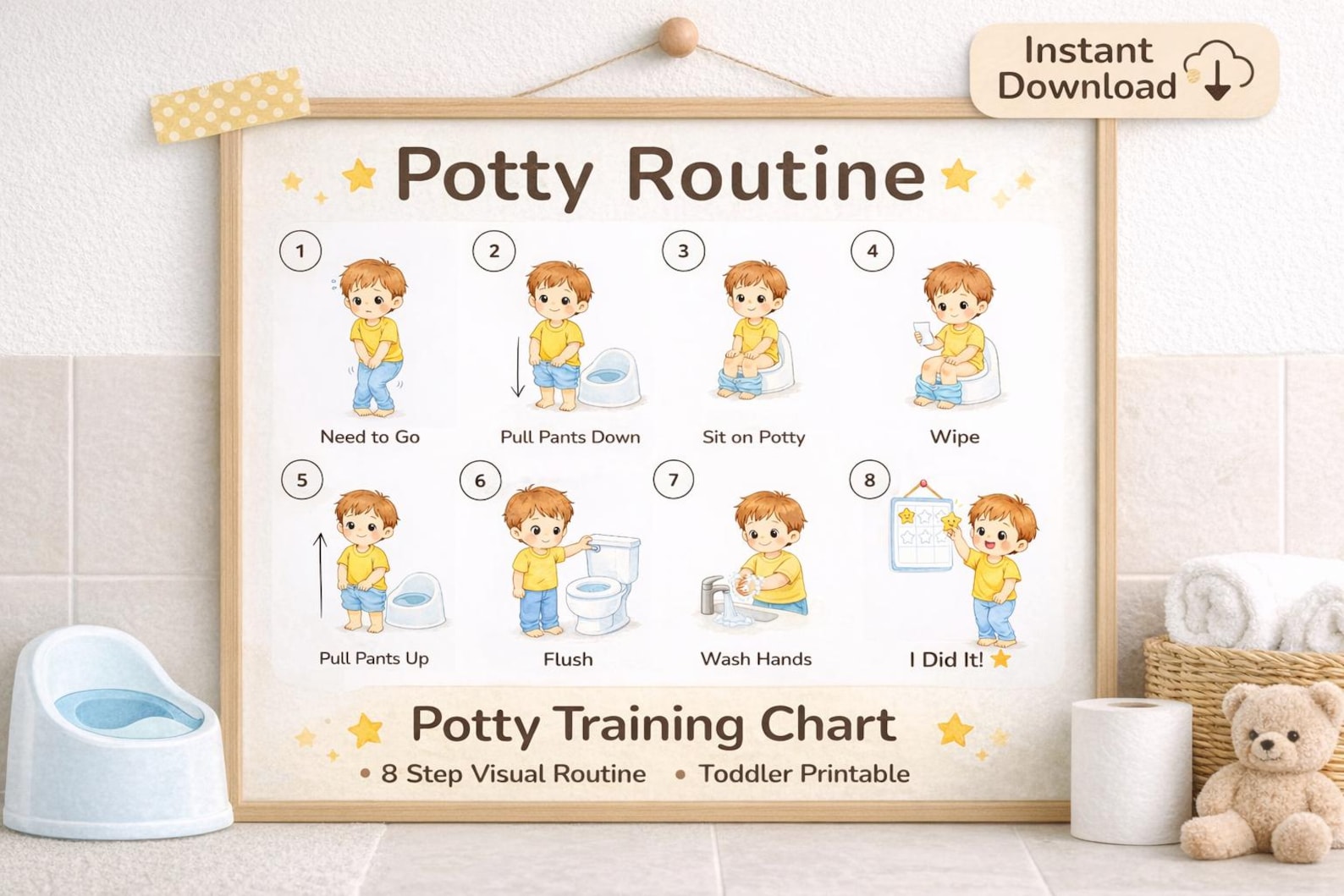
Before children can read, they read pictures. Use bold graphics representing the steps of the process: walking to the bathroom, sitting on the potty, wiping, washing hands, and pulling up pants. Clear, friendly icons prevent confusion and keep the focus sharp.
2. Manageable Increments
Do not design a chart that requires a month of flawless behavior before reaching a reward. Break the journey down into manageable chunks. In the beginning, reward the mere act of sitting on the potty. As mastery grows, shift the reward target to successful drops in the toilet.
Video: Potty Training progress chart for Toddlers! FREE Printable!

3. Space for Stickers or Stamps
The tactile experience of placing a shiny star sticker or stamping a paw print onto the chart is often half the reward. Let your child choose their own stickers at the store; this small dose of autonomy dramatically increases their buy-in.
Step-by-Step Potty Training Chart Template Framework
You can easily draw your own template on a piece of poster board or design a digital one to print out. Structure your chart using this proven layout:
- Header: '[Child's Name]’s Potty Adventure!' with a fun character or animal graphic.
- The Daily Track: Rows for each day of the week, with 4 to 5 open boxes per day for tracking successful attempts.
- The Milestone Marker: A visual indicator at the end of each row or block showing when a larger reward is unlocked.
Best Practices for Implementing Your Chart
A chart is only as good as the consistency behind it. To make the most of your template, follow these golden rules:
- Introduce it with enthusiasm: Sit down with your toddler a day before training begins and introduce the chart like a special map to becoming a 'big kid.'
- Keep rewards immediate and meaningful: In the early stages, offer a tiny treat (like a single mini M&M or a sticker) immediately upon success. Waiting until the end of the day is too abstract for toddlers.
- Never punish setbacks: Accidents are a natural part of learning. If an accident happens, simply guide your child to clean up without making a fuss, and leave the chart blank until the next successful try. Never take stickers away.
- Fade the system out gradually: Once your child is consistently using the toilet independently for two to three weeks, the novelty of the chart will naturally wear off because the habit is formed. Celebrate this graduation and retire the chart.
Troubleshooting Common Roadblocks
Even with the best visual aids, you may hit turbulence. If your child suddenly starts refusing to use the chart, take a three-day break. Pressuring a toddler often leads to stool retention or stubborn refusal. Lower the stakes, keep the bathroom environment relaxed, and reintroduce the chart when cooperation returns naturally.
By pairing patience with a structured visual tracker, you remove the power struggles from the equation and empower your child to master this major life milestone with pride.