Power Charis vs Bluff Backstände: The Hidden Contradiction
Decoding the Leadership Paradox
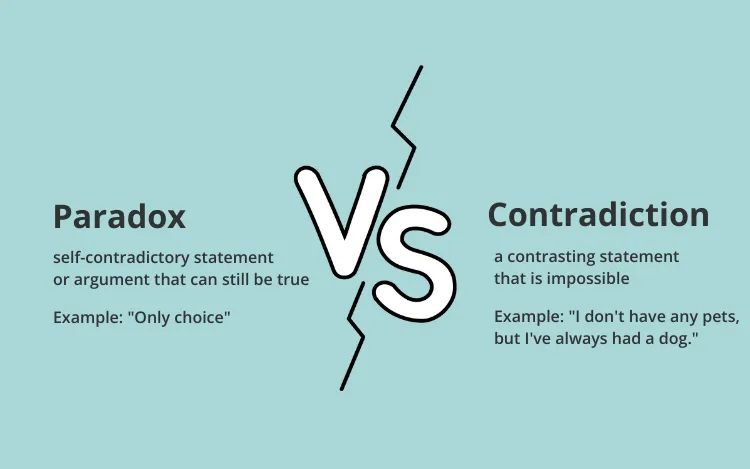
In the modern arena of business, politics, and high-stakes negotiation, observers constantly look for signs of strength. Yet, the signals we rely on are often deeply misunderstood. When examining high-performance environments, analysts frequently run into a fascinating psychological paradox. We call This Hidden Contradiction: Power Charis vs Bluff Backstände.
On one side lies 'Power Charis'—the magnetic, substantive authority that naturally commands a room without raising a voice. On the other side sits 'Bluff Backstände'—a German-rooted conceptual term capturing the accumulated debt of unbacked bluffs, hollow posturing, and delayed consequences that eventually catch up to fraudulent operators. Understanding how these two forces interact reveals why superficial confidence ultimately crumbles while authentic capability prevails.
Defining the Terms: Substance Versus Posturing
To truly grasp this contradiction, we must look closely at what each term represents in daily practice. They are not merely buzzwords; they represent two fundamentally different approaches to wielding leverage.
What is Power Charis?
Power Charis blends true personal charisma with unshakeable, competence-backed power. It is quiet, consistent, and rooted in execution. Leaders who exhibit Power Charis do not need to announce their dominance because their track record and emotional intelligence speak for them. Key traits include:
- Calm composure under high pressure.
- Transparency that invites trust rather than skepticism.
- Decisions driven by long-term value rather than immediate ego gratification.
What is Bluff Backstände?
The term 'Bluff Backstände' refers to the backlog or arrears ($Backstände$) created by continuous bluffing. Every time an individual or organization exaggerates their capabilities, makes an empty threat, or fakes a credential, they incur a hidden liability. Eventually, the market, the team, or the adversary calls the bluff, and the accumulated deficit must be paid back with interest.
The Mechanics of the Hidden Contradiction
The contradiction lies in how these two phenomena mask themselves in the short term. Paradoxically, a well-executed bluff often looks more impressive to the untrained eye than genuine power during the opening minutes of an interaction.
Bluff Backstände relies on theatricality. It uses loud declarations, aggressive negotiation tactics, and manufactured urgency. In contrast, Power Charis often appears understated, almost boring, because it lacks desperation. However, as time unfolds, reality sets in. The bluffing party begins running out of excuses for why their grand promises haven't materialized. Their Backstände (backlog of unfulfilled projections) grows too heavy to carry.

This creates a tipping point where aggressive posturing suddenly collapses into catastrophic failure, while the quiet, steady force of Power Charis captures lasting market share and loyalty.
Real-World Manifestations in Business and Politics
We see this dynamic play out across multiple industries every single year. Recognizing the signs early can save investors, partners, and employees from costly mistakes.
Corporate Boardrooms and Startups
In the startup ecosystem, founders sometimes feel pressured to fake it until they make it. While early-stage optimism is normal, crossing into deceptive territory creates massive Bluff Backstände. When venture capitalists conduct deeper due diligence or when quarterly targets are repeatedly missed, the house of cards falls. Conversely, founders anchored in Power Charis build resilient brands through incremental milestones and radical honesty about engineering challenges.
International Diplomacy and Negotiations
On the geopolitical stage, leaders frequently test each other's boundaries. Those who rely purely on rhetoric without economic or military backing eventually face severe diplomatic consequences. Their Backstände manifests as a loss of deterrence credibility. True diplomatic leverage always stems from aligned actions and resources—the hallmark of systemic Power Charis.
How to Cultivate Authentic Influence
Navigating away from the trap of empty posturing requires conscious effort and a commitment to personal integrity. If you want to build lasting authority without accumulating liabilities, consider these actionable steps:
- Audit your commitments: Ensure that every promise you make to your team or clients is backed by realistic resources. Eliminate the urge to over-promise.
- Prioritize competence over presentation: Spend more time sharpening your skills and less time curating an image of perfection.
- Embrace strategic transparency: Admitting what you do not know builds immediate trust and neutralizes the need to bluff.
- Play the long game: Understand that short-term losses in theatrical appeal are worth the long-term gains in absolute trust and stability.
Conclusion
The tension between superficial posturing and grounded authority remains one of the defining challenges of modern leadership. By recognizing the dangers of accumulating Bluff Backstände and leaning into the quiet strength of Power Charis, professionals can build sustainable, respected careers. True power never needs to shout—it simply delivers.