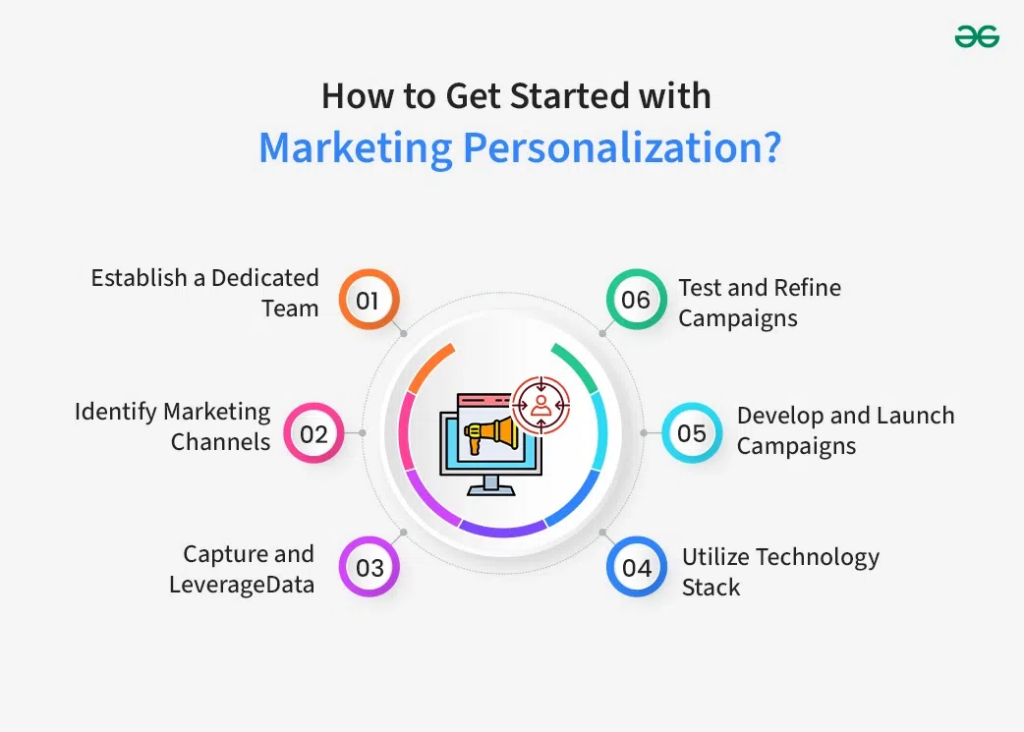
Power of Personalized Marketing with Traceable Names
Generic marketing no longer cuts through the digital noise. Today's consumers expect brands to understand their preferences, respect their individuality, and deliver tailored experiences. While traditional personalization relies on basic demographic data like first names or locations, modern brands are finding massive success by unlocking the power of personalized marketing with unique traceable names.

This advanced strategy goes far beyond printing a customer's first name on an email subject line. By assigning distinct, trackable identifiers to products, packaging, digital assets, or experiential campaigns, businesses can bridge the gap between digital data collection and physical customer interaction.
What Are Unique Traceable Names in Marketing?
Unique traceable names are distinct identifiers—ranging from custom-printed names on physical goods to dynamic, individualized URLs and QR codes—that tie a specific user to a specific touchpoint. Unlike static personalization, traceable names provide a feedback loop. When a customer interacts with an item bearing their unique identifier, the brand's backend systems record the engagement.
Consider how global beverage brands successfully executed campaigns by printing hundreds of popular first names on their bottles. Now, take that concept a step further by integrating digital tracking mechanisms. When a consumer scans a code associated with their named product, they unlock an interactive digital experience while providing the brand with valuable first-party engagement data.
The Core Benefits of Traceable Name Personalization
Integrating unique identifiers into your campaigns yields measurable advantages across sales, data collection, and brand loyalty.
1. Hyper-Relevant Customer Experiences
Consumers connect emotionally with brands that make them feel seen. When a customer receives a product or digital asset featuring a unique traceable name, the perceived value of that item skyrockets. It transforms a mass-produced commodity into a bespoke creation tailored exclusively for them.
2. Enhanced First-Party Data Collection
With third-party cookies phasing out, marketers urgently need reliable ways to gather first-party data. Traceable names act as natural catalysts for opt-ins. When users interact with their unique identifier—perhaps to register a warranty, access exclusive content, or enter a sweepstakes—they willingly share valuable preferences and contact details.
3. Precise Campaign Tracking and Attribution

Traditional marketing attribution can be murky. Traceable names eliminate the guesswork. Because each identifier is unique to an individual or a specific campaign batch, you can track precisely which channels, influencers, or physical locations drove conversions.
Practical Ways to Implement Traceable Names
You do not need a massive enterprise budget to leverage this strategy. Brands of all sizes can integrate traceable naming conventions into their marketing mixes through several effective channels:
- Smart Packaging: Use variable data printing (VDP) to include unique names alongside distinct QR codes on product labels.
- Interactive Email Campaigns: Generate dynamic landing pages tied to a subscriber's unique identifier for exclusive product reveals.
- Event Marketing: Provide attendees with personalized badges or welcome kits featuring traceable digital tags that unlock venue maps or networking profiles.
- Loyalty Programs: Issue personalized digital membership cards with secure, trackable IDs that log in-store and online purchases automatically.
Overcoming Implementation Challenges
While the benefits are clear, executing a campaign using unique traceable names requires careful planning. Data privacy must remain a top priority. Ensure your brand complies with regulations like GDPR and CCPA by transparently communicating how customer data is collected and used via these touchpoints.
Additionally, collaborate closely with your supply chain and IT teams. Variable data printing and dynamic backend routing require seamless coordination to ensure the right physical item reaches the right customer without technical glitches in the tracking URLs.
Measuring Success and ROI
To determine if your personalized marketing efforts are paying off, track key performance indicators (KPIs) beyond standard open and click-through rates. Look closely at:
- Scan and Activation Rates: How many users actually engaged with their unique identifier?
- User-Generated Content (UGC): Are customers sharing pictures of their personalized items on social media?
- Customer Lifetime Value (CLV): Do buyers acquired through traceable name campaigns exhibit higher retention rates over time?
By monitoring these metrics, you can refine your approach and scale the tactics that resonate most with your audience.
Conclusion
Personalization is no longer a luxury; it is a baseline expectation for modern consumers. By unlocking the power of personalized marketing with unique traceable names, your brand can cut through marketplace clutter, gather critical first-party data, and forge deeper, more memorable connections with your audience. Start small, prioritize data privacy, and watch your customer engagement metrics climb.