Preschool Leaf Templates to Enhance Daily Routines
Establishing predictable rhythms in an early childhood classroom is essential for emotional security and focused learning. Young children thrive when they understand what comes next, yet traditional schedules relying on text alone rarely connect with pre-readers. Integrating preschool leaf templates to enhance daily routines provides a grounding, visual anchor for toddlers and pre-K students. Simple leaf shapes transform abstract time concepts into hands-on, interactive milestones that children can see, touch, and celebrate throughout their day.
Why Nature-Based Themes Ground Early Learning
Nature themes resonate naturally with young children. Leaves offer organic variety in shape, size, and color, reflecting the real world outside the classroom window. Unlike commercial cartoon characters that can overstimulate or lose popularity, leaves are neutral, calming, and developmentally appropriate across all cultures and seasons.
Using leaf motifs also encourages cross-curricular connections. A template used for morning roll call can easily double as a science manipulative during outdoor exploration or an art base for sensory collage work. When children see consistent botanical elements woven throughout their physical space, their environment feels cohesive rather than chaotic.
Using Preschool Leaf Templates to Enhance Daily Routines
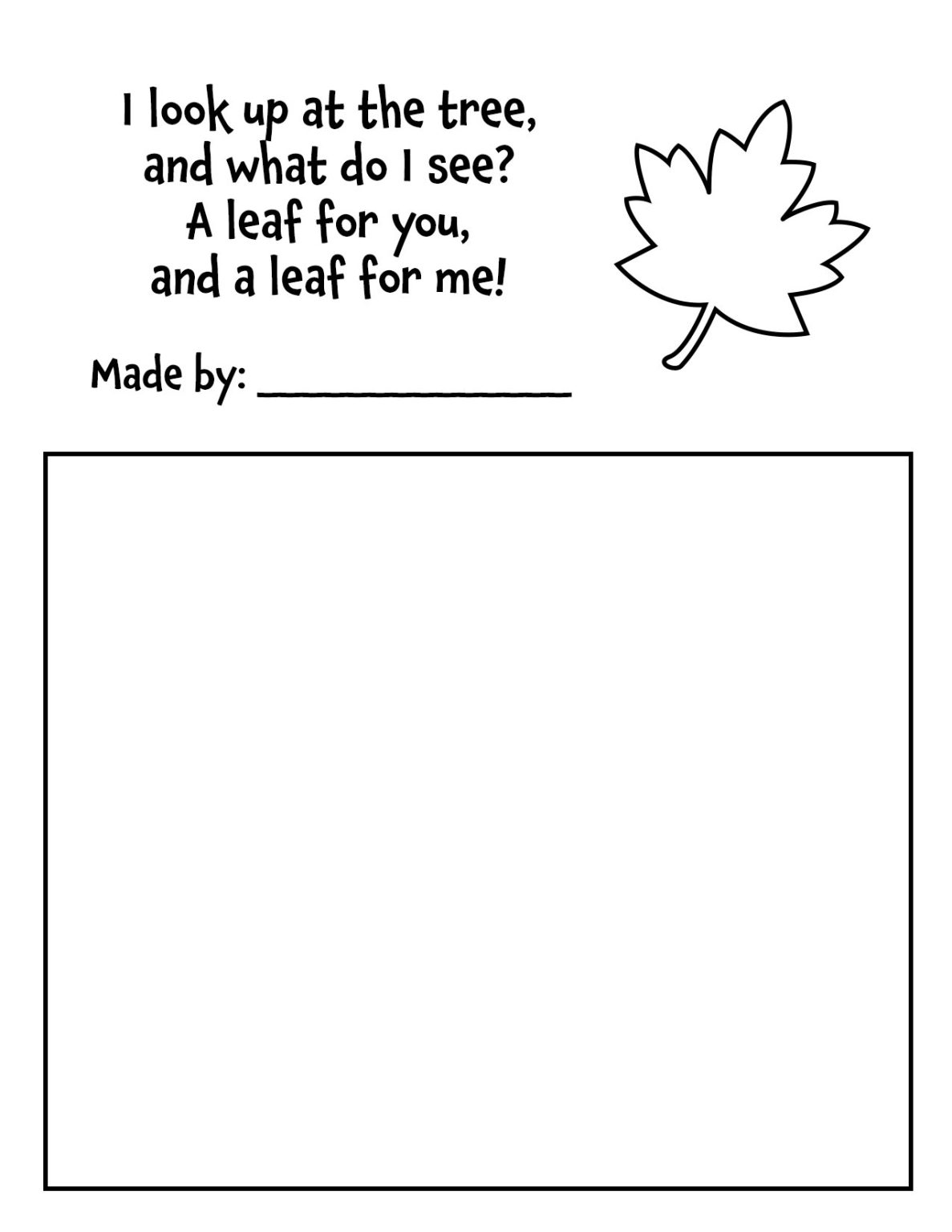
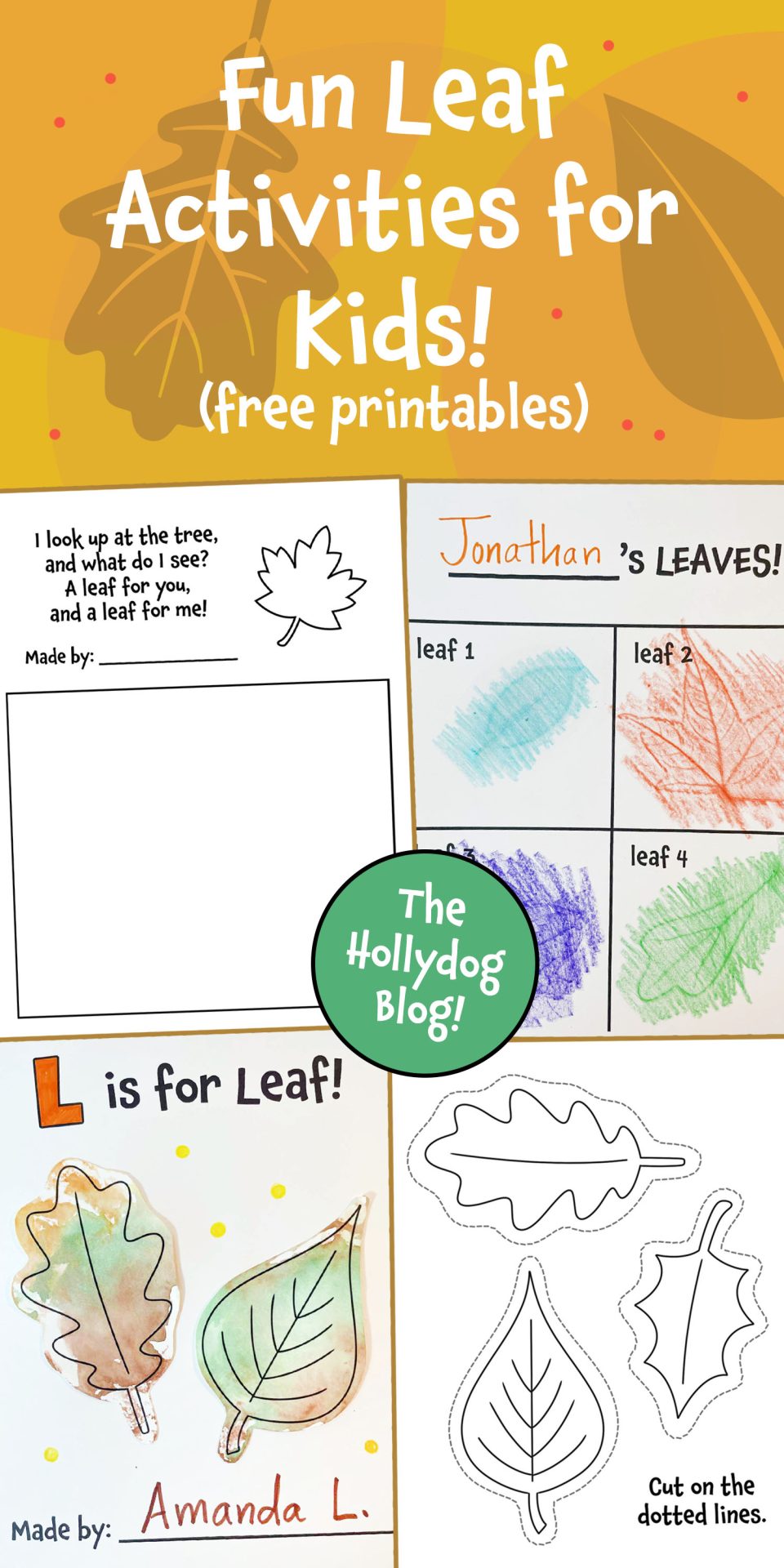
Printable leaf outlines are remarkably versatile tools for early educators. Below are four practical ways to integrate leaf templates into key parts of your school day to minimize behavioral friction and build learner autonomy.
1. Interactive Morning Check-In and Attendance
Separating from a caregiver at drop-off is one of the most challenging transitions of the day. A tactile morning routine gives children a concrete task to focus on immediately upon arrival.
- The Giving Tree Attendance Board: Mount a large painted tree trunk on your classroom door or morning bulletin board. Print durable, laminated leaf cutouts labeled with each child’s name and photo.
- Arrival Action: When students enter, they locate their personal leaf in a basket and attach it to a tree branch using Velcro or magnetic dots.
- Visual Benefit: During circle time, children can easily count the leaves on the branches to see who is present, and check the “ground” below for absent friends.
2. Calming Transition Markers
Transitions between free play, clean-up, and seated activities frequently trigger sensory overload and dysregulation. Visual stepping stones create an engaging game out of physical movement across the room.
Laminate oversized oak or maple leaf templates and tape them firmly to the floor using heavy-duty painter’s tape. Designate these as “stepping leaves” where children place their feet while waiting to wash hands or line up at the door. Giving children a dedicated, physical boundary reduces jostling, personal space conflicts, and running in high-traffic areas.
3. Handwashing and Hygiene Sequences
Preschoolers often rush through basic self-care tasks. Leaf templates can serve as simple, step-by-step cue cards placed near sinks and restrooms:
- Leaf 1 (Water): A blue-tinted leaf depicting running water.
- Leaf 2 (Soap): A bubbly green leaf prompting children to scrub palms and knuckles.
- Leaf 3 (Dry): An autumn orange leaf reminding them to use a single paper towel.
Numbering or color-coding these cutouts allows children to self-correct and complete hygiene routines independently without teachers needing to repeat verbal reminders dozens of times a morning.
4. Circle Time Turn-Taking and Speaking Tokens

Group discussions can easily devolve into interruptions when young children get excited. A soft, felt-backed leaf template acts as a concrete “talking stick.” Only the child holding the “talking leaf” shares their thought, while their peers practice patient listening. The tactile weight of an object helps little hands stay occupied while speaking to a group.
Designing Classroom-Ready Leaf Printables
Not all templates perform equally well in a high-energy preschool setting. When preparing your printables, keep the following design guidelines in mind:
- Bold, Uncluttered Outlines: Choose simple shapes like maple, oak, or birch leaves with distinct outlines. Avoid overly intricate serrated edges if students will practice cutting them out themselves.
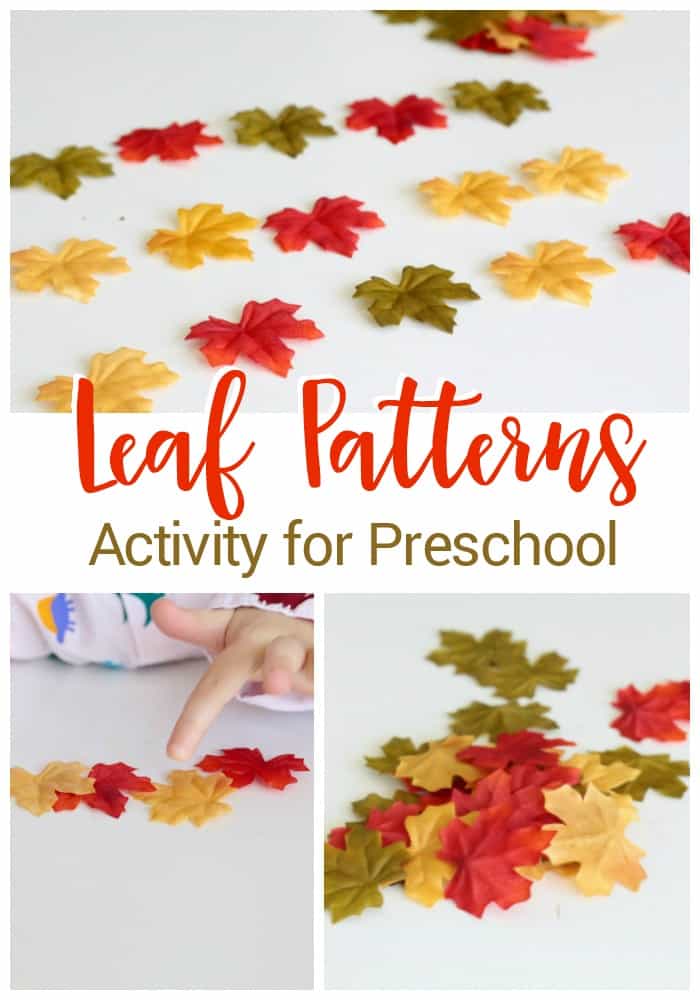
- Color Variety with Purpose: Use distinct colors to signal specific times of day. For example, pale green leaves might represent morning work, golden yellow for outdoor play, and deep brown for quiet rest time.
- Lamination is Essential: Preschool classrooms are tough on paper. Print your templates on 65 lb or 80 lb cardstock and use 5 mil laminating pouches to ensure cutouts survive sanitizing wipes and rough handling.
- Dual Coding (Text + Icon): Always pair a written word (such as “Snack” or “Story Time”) with a clear photograph or icon on the leaf face. This supports emergent literacy while ensuring pre-readers stay fully oriented.
Three Step-by-Step Routine Activities to Implement This Week
Activity A: The Classroom Job Tree
Instead of a standard pocket chart, create a “Helping Hands Tree.” Write classroom helper roles (Line Leader, Plant Waterer, Table Wiper) directly onto branches. Affix each student’s leaf to their assigned job for the week. On Friday afternoons, gather the class to celebrate how the leaves helped the whole tree grow strong and clean.
Activity B: Rest Time Wind-Down Leaves
Winding down for nap or quiet cot time can be fraught with restlessness. Give each student a smooth, laminated paper leaf as they lie down. Direct them to place the leaf gently on their belly. Instruct them to take slow, quiet “belly breaths” to watch their leaf rise and fall like a boat on gentle water. This mindfulness technique channels physical energy into deep relaxation.
Activity C: Clean-Up Sorting Game
Color-coded leaf cutouts make classroom tidy-up intuitive. Place colored leaf stickers on toy bins (e.g., green leaves on block bins, yellow leaves on art supplies). Give children matching color leaf tokens and challenge them to match toys back to their respective “home tree.” Gamifying organization turns a daily chore into a problem-solving exercise.
Maintenance and Seasonal Adaptations
To keep the daily routine engaging throughout the school year, update the appearance of your leaf templates to match the natural world:
- Autumn: Feature warm russet, fiery red, and amber leaf cutouts. Pair routines with conversations about leaves falling and preparing for cooler weather.
- Winter: Switch to evergreen needles, pine sprigs, or frosted white leaf outlines to reflect seasonal sleep in nature.
- Spring: Introduce bright lime-green budding leaves and sprouting shoots to symbolize fresh growth, new classroom skills, and readiness for kindergarten.
- Summer: Use broad tropical leaves and deep emerald shades to celebrate long days and outdoor water play routines.
By cycling through these variations, the functional mechanics of your schedule remain stable and reliable, while the visual presentation feels fresh and aligned with the surrounding environment.
Predictability Breeds Classroom Confidence
Classroom management in early childhood is less about discipline and more about intentional design. When routines are intuitive, visual, and calm, behavioral outbursts decrease and peer cooperation flourishes. Integrating versatile leaf templates into your daily schedule provides a tactile roadmap that empowers young learners to navigate their school day with pride, clarity, and joyful confidence.