Preventing a Fallin Tractor: Essential Safety Tips
Understanding the Risk of a Fallin Tractor

Tractors are the backbone of modern agriculture, construction, and landscaping. However, they also present serious occupational hazards. Among the most lethal incidents on farms and worksites is a tractor rollover. Experiencing a fallin tractor accident can happen in a split second, often leaving the operator with severe or fatal injuries if proper safety protocols and equipment are not in place.
To prevent these devastating accidents, operators must understand the mechanics of how tractors lose stability. By recognizing the warning signs of a potential tip-over and implementing rigorous safety practices, you can dramatically reduce risk in the field.
Main Causes of Tractor Rollovers
Most tractor accidents do not happen by pure chance. They are usually the result of physics overcoming stability. Understanding the primary triggers helps operators stay vigilant during daily tasks.
1. Operating on Steep Slopes and Hillsides
Gravity is the primary force behind a sideways or backward tip-over. When a tractor traverses a slope, its center of gravity shifts. If the angle is too steep, or if the operator drives across a slope rather than straight up and down, the uphill wheels can lift off the ground, causing the machine to roll.
2. High Center of Gravity and Improper Ballasting
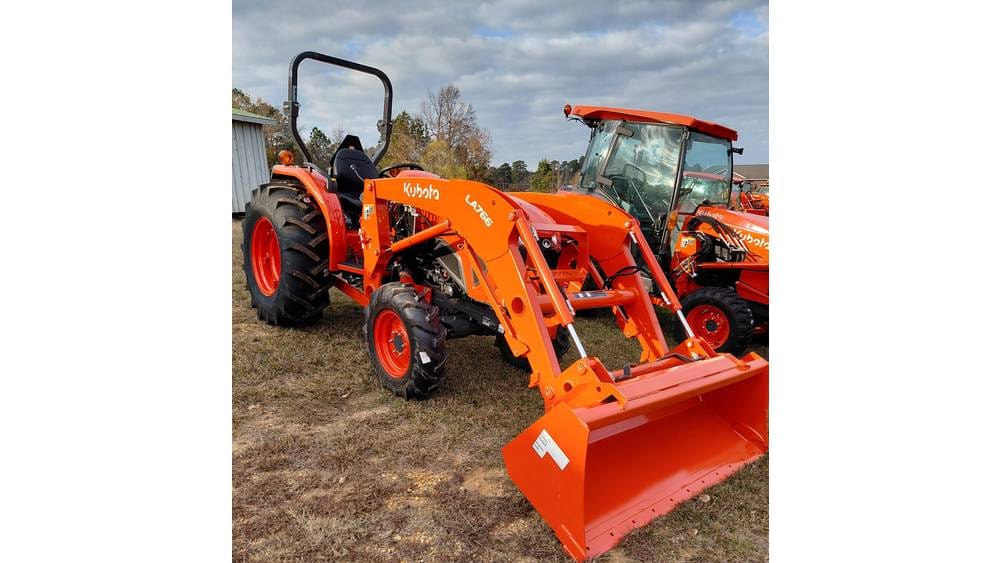
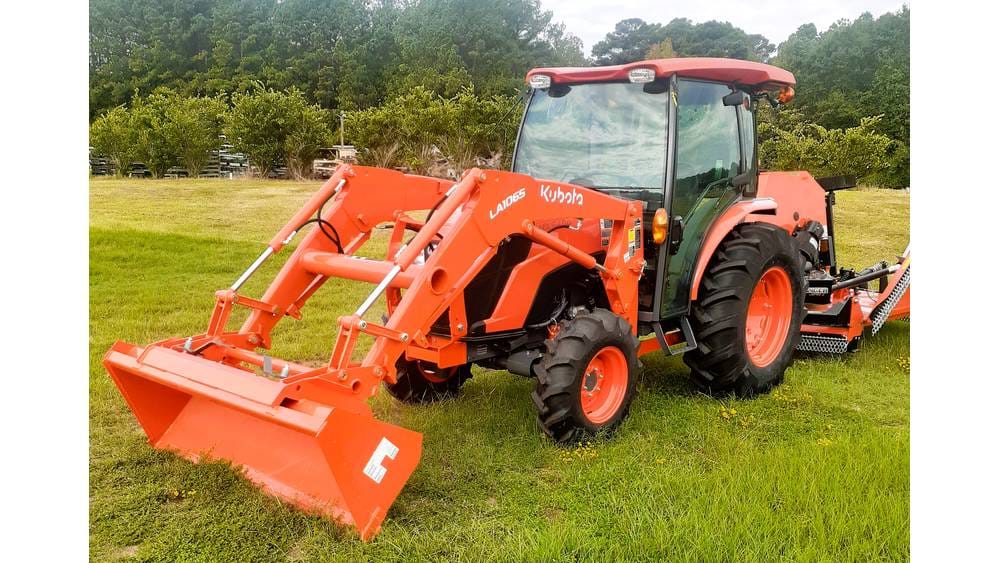
Tractors are tall and narrow by design, giving them a high center of gravity. Adding heavy attachments to the front loader without counterweights at the rear—or vice versa—destabilizes the machine. Liquid ballast in the tires or wheel weights are often necessary to keep the center of gravity low and grounded.
3. Improper Speed and Sharp Turns
Video: Fallin' Apart
Centrifugal force plays a massive role when turning a heavy vehicle. Taking a sharp turn at high speed, especially while hauling a heavy trailer or implement, can easily throw the tractor off balance. This is particularly dangerous on uneven or loose gravel surfaces.
4. Hitching Above the Drawbar
One of the fastest ways to cause a rear flip is hitching a load directly to the rear axle or somewhere above the factory drawbar. When the clutch is released and the tractor attempts to pull, the high hitch point prevents the front end from staying down, flipping the tractor backward in a fraction of a second.
Critical Safety Measures to Prevent Accidents
Mitigating the risk of a fallin tractor requires a combination of engineering controls, personal protective equipment, and mindful driving habits. Here are the most effective ways to protect yourself and your crew:
- Always Use ROPS: Ensure your tractor is equipped with a Rollover Protective Structure (ROPS). Modern tractors come with them standard, but older models can often be retrofitted.
- Wear Your Seatbelt: A ROPS only works if you stay in the seat. Without a seatbelt, a rolling tractor can throw you out and crush you underneath its weight.
- Maintain a Safe Speed: Slow down when turning, operating on rough terrain, or driving near ditches and embankments.
- Use the Drawbar Properly: Never attach loads higher than the drawbar. If pulling from a loader or three-point hitch, ensure you understand the weight limits and stability thresholds.
- Avoid Ditches and Embankments: Keep a safe distance from the edges of ditches, canals, and steep drop-offs. These edges can easily crumble under the heavy weight of a tractor.
What to Do If a Tip-Over Occurs
Despite your best efforts, emergencies can happen. Knowing how to react in a split second can save your life if you feel your machine tipping.
If you are operating a tractor equipped with a ROPS and seatbelt and it begins to roll over to the side:
- Hold onto the steering wheel tightly.
- Brace your feet against the floorboards.
- Lean away from the direction of the fall.
- Do not attempt to jump out; staying belted inside the protective zone of the ROPS is statistically your safest option.
If the tractor is an older model without a ROPS and begins to tip, your only chance of survival may be to jump clear of the machine on the high side, away from the direction of the fall—though this remains a high-risk scenario.
Conclusion
Operating heavy machinery demands constant attention and respect for the laws of physics. A fallin tractor accident is entirely preventable through proper equipment maintenance, adherence to weight limits, and sensible driving habits on slopes and uneven terrain. Always inspect your tractor before operation, utilize your seatbelt and ROPS every single time, and never rush a job when safety is on the line.