Prison Inmate Pen Pal Websites & Real Prison Life
When people think about the correctional system, their impressions are usually shaped by Hollywood dramas, gritty television documentaries, or sensationalized news headlines. But what is life behind bars actually like on a Tuesday afternoon? To truly understand the daily grind, we have to look past the stereotypes and listen to the individuals living it. Increasingly, people are turning to prison inmate pen pal websites to hear these unfiltered realities straight from the source, building human connections across vast physical and social divides.

Connecting with someone on the inside offers a stark, eye-opening education about the American penal system. Far from the constant brawls and high-stakes drama seen on TV, daily existence in prison is defined by profound boredom, rigid routine, and a constant psychological battle to maintain dignity. This article explores the gritty truths of incarceration as described by inmates themselves, and how pen pal platforms serve as a vital lifeline to the outside world.
The Reality of Daily Life Behind Bars
Ask almost any incarcerated individual to describe their daily routine, and the first word you will likely hear is "monotony." While security levels vary drastically—from minimum-security camps to maximum-security administrative segregation units—the core of prison life is anchored by institutional schedules.
Days typically begin early with a morning count, where correctional officers physically verify that every incarcerated person is present and accounted for. Following count, inmates move to their assigned duties. Depending on the facility, these jobs might include working in the kitchen, maintaining the grounds, cleaning housing units, or working in correctional industries making license plates or furniture for pennies an hour.
The Psychological Toll of Monotony
Beyond the physical structure of the day, the mental weight of confinement is often the hardest part of the sentence. Inmates frequently describe a sensory deprivation of sorts. Colors are often muted—mostly institutional gray, beige, and blue. Natural sounds are replaced by the heavy metallic clanging of steel doors, the buzzing of electronic gates, and the constant murmur of hundreds of people living in close quarters.
Coping mechanisms vary widely. Many inmates lean heavily into self-improvement, utilizing prison libraries, earning college degrees through correspondence courses, or practicing meditation and religion. Others struggle profoundly with depression, anxiety, and the erosion of their external relationships as time stretches on.
Navigating Prison Politics and Safety
Popular culture loves to focus on violence within correctional facilities. While physical danger is a genuine concern in many medium- and maximum-security yards, the reality is more nuanced than simple gang warfare.
Safety in prison is heavily dictated by unwritten social codes and prison politics. Inmates quickly learn that survival depends on situational awareness, emotional regulation, and avoiding unnecessary conflicts. Navigating these dynamics requires walking a fine line:
- Staying out of debt: Gambling, commissary items, and illicit goods can create dangerous financial obligations among inmates.
- Respecting boundaries: Personal space is virtually nonexistent, making mutual respect and basic etiquette crucial for preventing altercations.
- Mind your business: Inmate culture places a high value on minding one's own affairs and avoiding gossip or unnecessary interference in other people's disputes.
For most, the primary violence they experience is systemic and psychological rather than physical. The stress of institutional food, inadequate medical care, and the looming uncertainty of parole hearings weigh heavily on everyone.
The Human Connection: Prison Inmate Pen Pal Websites

Given the isolating nature of incarceration, maintaining ties to the outside world is one of the single most protective factors against recidivism and psychological deterioration. This is where modern technology intersects with the correctional system.
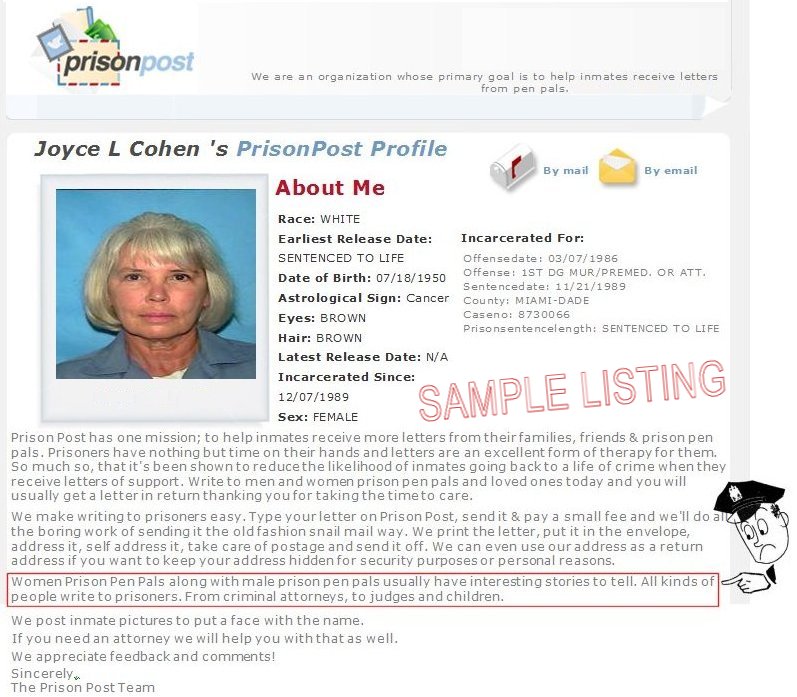
Today, prison inmate pen pal websites act as digital bridges between the free world and the incarcerated population. Platforms like WriteAPrisoner or Inmate.com allow individuals to create profiles featuring biographies, photographs, and personal interests. Free-world citizens browse these profiles to strike up platonic or romantic correspondences via physical mail or approved electronic messaging systems like JPay or GettingOut.
Why Do People Become Pen Pals?
The motivations for using these platforms vary. Some pen pals are criminology students, activists, or individuals touched by the justice system who want to offer compassion to those society has discarded. Others are simply lonely people looking for genuine, long-form conversational partners who appreciate the lost art of letter-writing.
For the inmate, receiving a piece of mail is monumental. In a world where every minute is regulated and impersonal, a handwritten letter represents freedom, a connection to current events, and tangible proof that someone on the outside still cares whether they exist.
The Challenges of Communicating Across the Divide
While prison pen pal sites facilitate meaningful bonds, maintaining communication through these channels comes with distinct hurdles. It is not as simple as sending a quick text message.
First, correspondence is subject to strict facility oversight. Mail is opened and inspected by staff to check for contraband, which strips away privacy. Furthermore, digital messaging services used by prisons often charge high rates per message or video call, making sustained communication a financial burden for both the inmate and their outside contact.
Additionally, safety and boundaries must be maintained. Experienced pen pal participants emphasize the importance of setting clear expectations, protecting personal information like home addresses, and understanding that some incarcerated individuals may romanticize outside relationships out of sheer desperation.
Conclusion: Seeing the Human Behind the Uniform
Life in prison is a complex mix of harsh institutional realities, profound boredom, and individual resilience. By listening to the stories of those who have served time, we gain a clearer, more compassionate picture of a system that is often hidden from public view.
Whether through reading memoirs, supporting prison reform advocacy, or engaging directly through prison inmate pen pal websites, bridging the gap between the inside and the outside helps humanize a population that is too often forgotten once the cell door closes.