Propane Gal to Lbs: How to Convert Gallons to Pounds
If you have ever tried to fill a propane tank, you might have noticed that propane is sold by the gallon, but tanks are typically rated by weight in pounds. This discrepancy often leaves people wondering about the exact math behind a propane gal to lbs conversion. Whether you are firing up a backyard barbecue, heating an RV, or running a backup generator, understanding how gallons translate to pounds helps you monitor your fuel levels and avoid running out unexpectedly.

The Basic Conversion Math for Propane Gal to Lbs
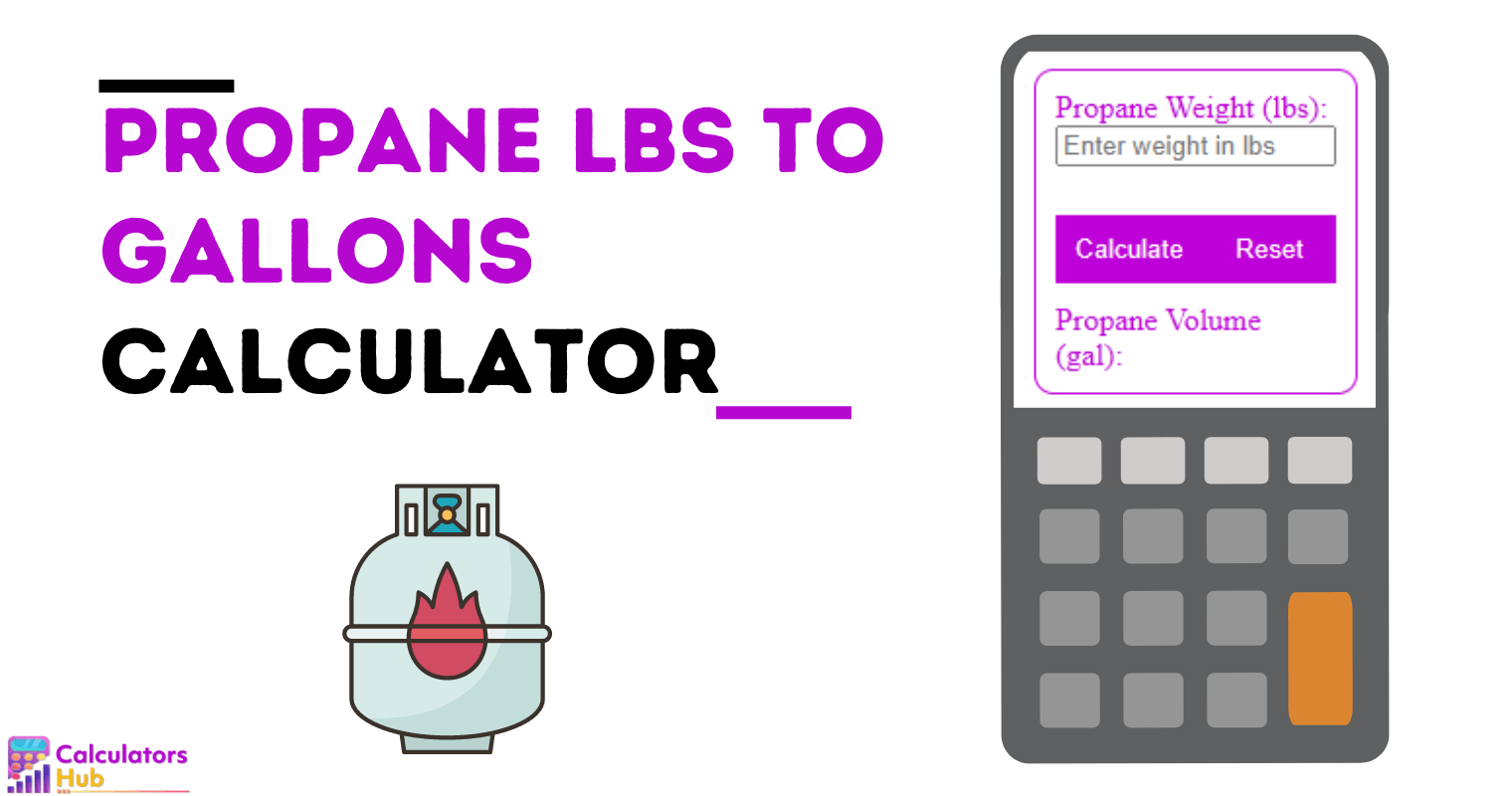
To convert liquid propane from gallons to pounds, you need to look at its density. Unlike water, which weighs about 8.34 pounds per gallon, liquid propane is much lighter. At a standard temperature of 60°F (15°C), one gallon of liquid propane weighs approximately 4.24 pounds.
This means the standard rule of thumb for conversion is:
- Gallons to Pounds: Multiply the number of gallons by 4.24.
- Pounds to Gallons: Divide the number of pounds by 4.24.
For example, if you have 5 gallons of liquid propane, you multiply 5 by 4.24, which equals 21.2 pounds. Keep in mind that this measurement applies specifically to liquid propane while it is inside a pressurized container.
Standard Propane Tank Sizes and Weights
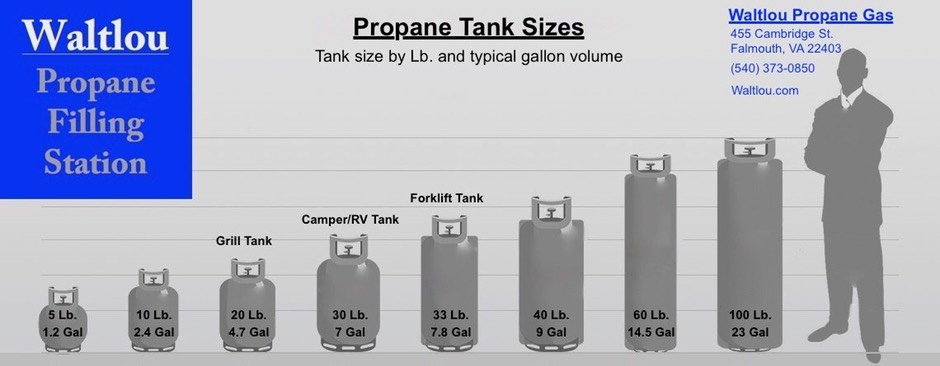
Most consumer propane tanks do not hold as much fuel as their total physical capacity suggests. To ensure safety and allow room for the liquid propane to expand as temperatures rise, propane tanks are only filled to 80% capacity. Here is how gallons and pounds break down for the most common tank sizes:
The 20-lb Grill Tank (Standard BBQ Tank)
The familiar white or metal tank attached to backyard gas grills is a 20-pound tank. However, a "20-pound tank" refers to its weight capacity of propane, not its total weight.
- Empty Weight (Tare Weight): Usually around 17 to 18 pounds.
- Propane Capacity: Holds 20 pounds of propane when full.
- Gallon Equivalent: 20 pounds divided by 4.24 equals roughly 4.7 gallons of liquid propane at 80% capacity.
- Total Full Weight: Approximately 37 to 38 pounds.
The 30-lb and 40-lb Cylinders
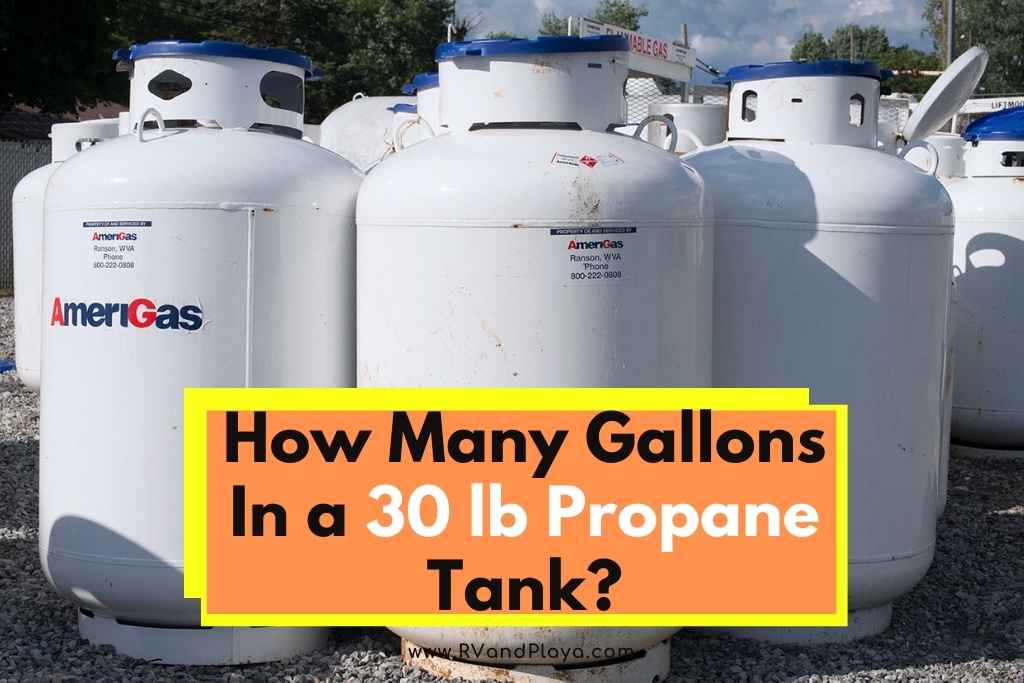
Frequently used for larger RVs, campers, and permanent residential heaters, these medium-sized tanks follow the same density rules:
- 30-lb Tank: Holds about 7.1 gallons of propane when full.
- 40-lb Tank: Holds about 9.4 gallons of propane when full.
Large 100-lb Cylinders
Homes that use propane for cooking ranges, space heaters, or clothes dryers often utilize 100-pound vertical cylinders.
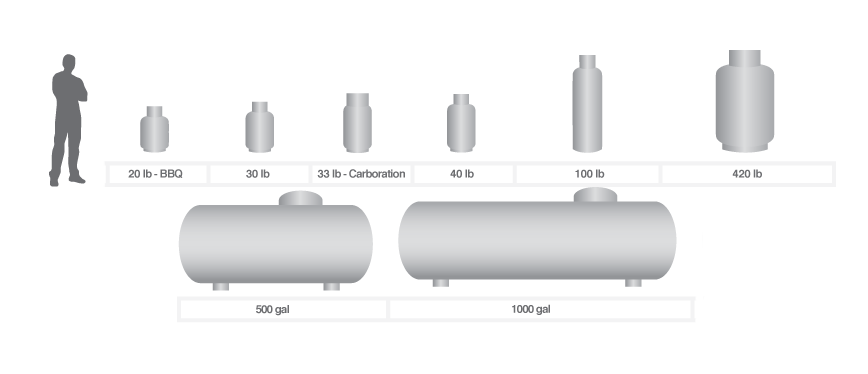
- Propane Capacity: 100 pounds of propane.
- Gallon Equivalent: Roughly 23.6 gallons.
- Total Full Weight: Often exceeds 170 pounds when combined with the heavy steel cylinder.
Why Temperature Matters in Propane Conversion
One critical factor that affects any propane gal to lbs calculation is temperature. Propane is a liquefied petroleum gas (LPG) stored under pressure. Like most liquids, propane expands when it gets hot and contracts when it gets cold.
Because the volume of propane changes with temperature while its mass (weight in pounds) remains relatively constant, a gallon measured on a freezing winter day contains a slightly different volume than a gallon measured on a scorching summer afternoon. However, for everyday consumer purposes, using the standard 4.24 lbs/gallon ratio is close enough to give you an accurate estimate of your remaining fuel.
How to Check Your Propane Level
Knowing the math behind propane gal to lbs is helpful, but you still need practical ways to check how much fuel is left in your tank without lugging it to a filling station.
1. The Scale Method
The most accurate low-tech method for portable tanks is weighing them on a bathroom scale:
- Look for the TW (Tare Weight) stamped or engraved into the metal collar of your tank. This is the weight of the empty tank.
- Weigh your tank on a scale.
- Subtract the Tare Weight from the current total weight. The resulting number is the weight of the propane currently inside.
- Divide that number by 4.24 to find out how many gallons you have left.
2. The Warm Water Test
If you don't have a scale, you can perform the warm water trick:
- Pour a cup of warm (not boiling) water down the side of the propane tank.
- Run your hand down the metal surface.
- The metal will feel cool to the touch where the liquid propane sits inside, because the liquid absorbs heat from the metal. The point where the temperature changes indicates the top level of your fuel.
Summary Table: Propane Gallons to Pounds
Use this quick reference guide to estimate your propane supply at a glance:
- 1 Gallon = 4.24 lbs
- 2 Gallons = 8.48 lbs
- 3 Gallons = 12.72 lbs
- 4 Gallons = 16.96 lbs
- 4.7 Gallons (Full BBQ Tank) = 20.0 lbs
- 5 Gallons = 21.20 lbs
- 10 Gallons = 42.40 lbs
By keeping these simple calculations in mind, you can easily manage your fuel supply, ensure you never run out of gas mid-cookout, and better understand how propane is measured, sold, and used.