Propane Truck Driver Salary Guide: What to Expect
Stepping into the commercial driving sector offers various career paths, but hauling liquefied petroleum gas stands out for its steady demand and specialized requirements. If you are considering this profession, understanding the average propane truck driver salary is essential for planning your career move. Because these drivers transport flammable and hazardous materials, they typically command higher wages than standard dry-van or flatbed freight haulers.

In this guide, we break down what you can expect to earn, the certifications required to get hired, and the geographical or industry factors that influence your paycheck.
Average Propane Truck Driver Salary Breakdown
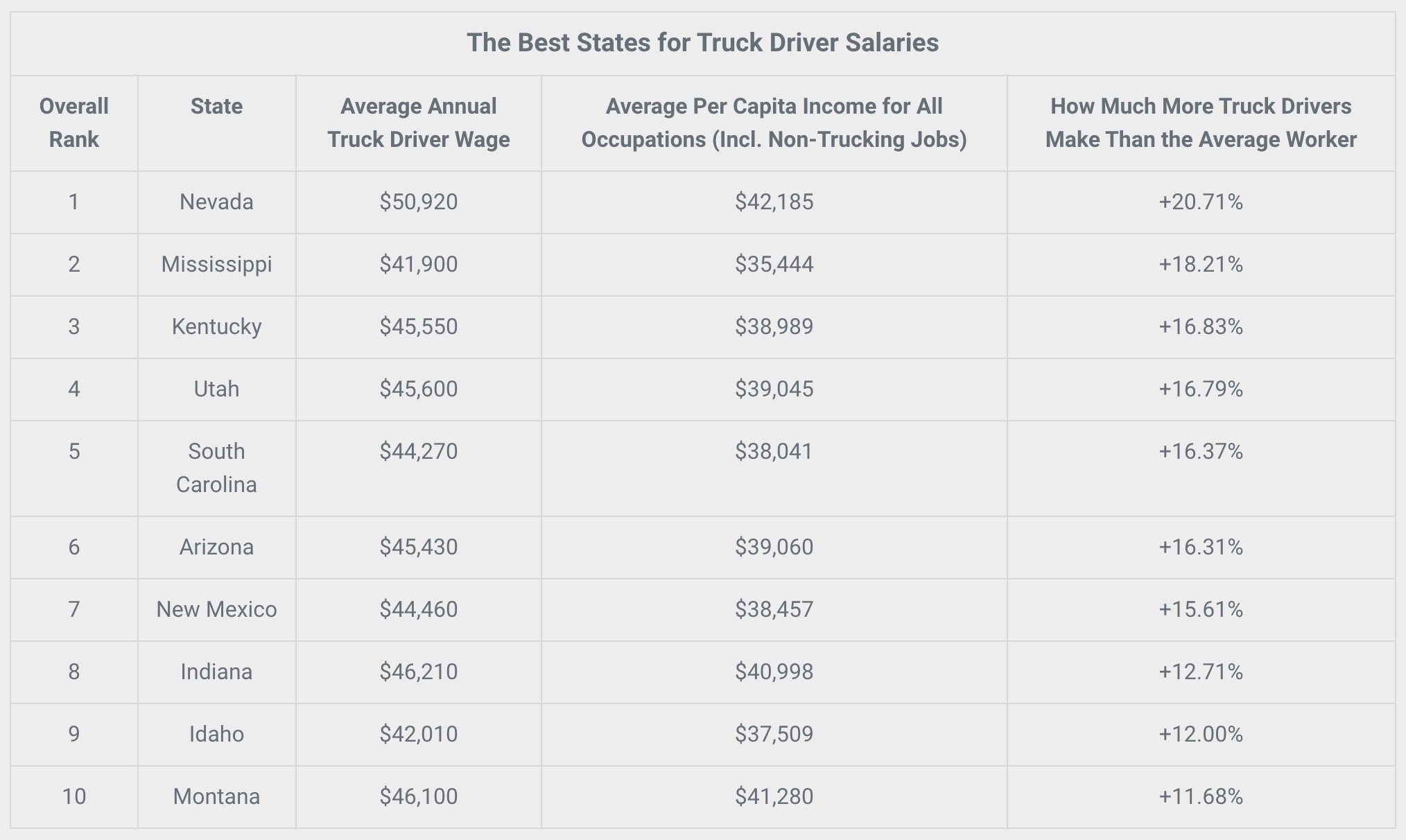
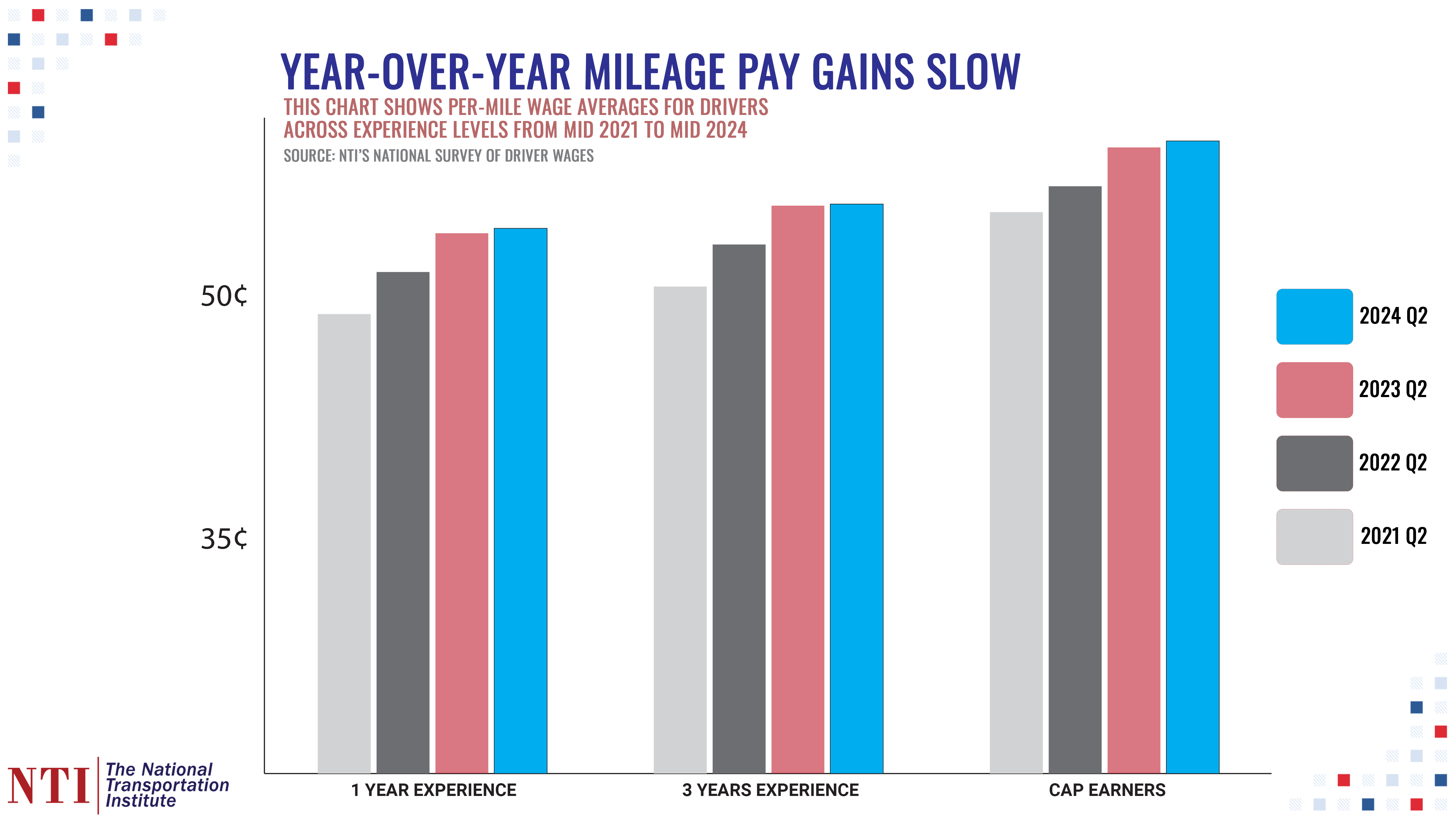
On average, a propane truck driver in the United States earns between $55,000 and $75,000 per year. However, this figure fluctuates based on experience, location, and the specific employer. Entry-level drivers often start on the lower end, around $45,000 to $50,000, while seasoned professionals working in high-demand regions or industrial sectors can easily surpass $85,000 annually.
When looking at hourly wages, propane delivery drivers generally make between $22 and $32 per hour. Overtime pay is common, particularly during the peak winter heating season when residential and commercial propane demand skyrockets. Many companies also offer performance bonuses, safety bonuses, and seasonal completion incentives that boost annual take-home pay.
Factors Influencing Your Earnings
Not all driving jobs pay the same. Several distinct variables impact how much you will make behind the wheel of a bobtail or transport truck:
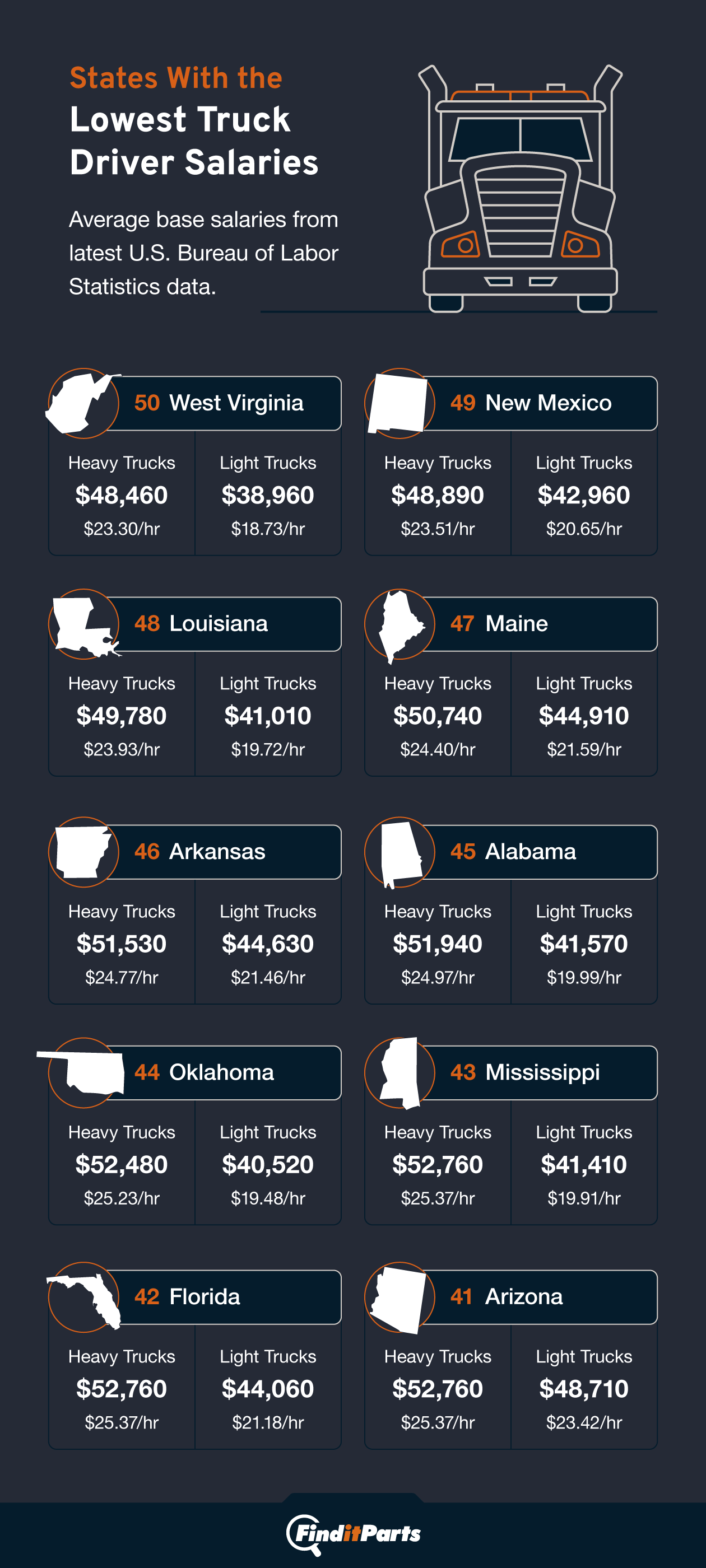
- Geographic Location: States with colder climates and high reliance on propane for home heating—such as the Northeast, Midwest, and Mountain West—often pay higher rates. Additionally, areas with higher costs of living naturally feature adjusted pay scales.
- Certifications and Endorsements: Driving a propane truck requires specific legal credentials. Drivers who hold a Commercial Driver's License (CDL) with both Hazmat (H) and Tanker (N) endorsements are far more valuable to employers, commanding higher starting wages.
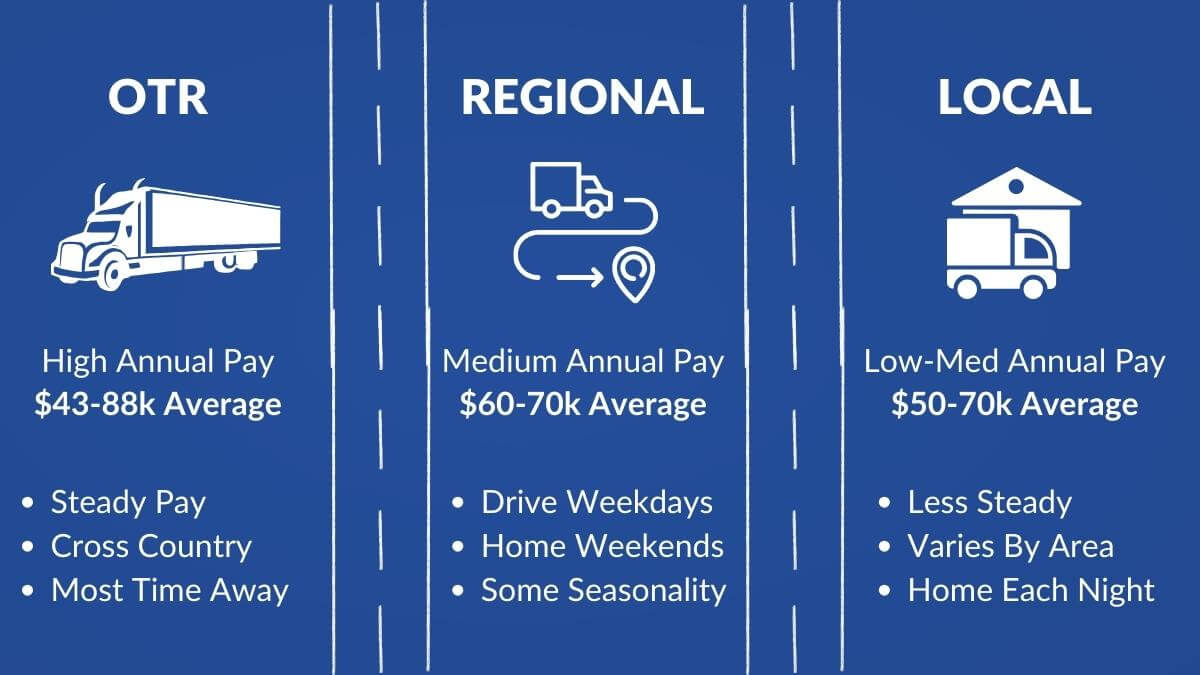
- Route Type: Local residential delivery routes involve a lot of customer interaction and frequent stops, while wholesale or bulk transport involves driving larger semi-trailers between terminals and bulk plants. Bulk transport drivers often see higher long-haul mileage rates.
- Experience Level: As with most driving professions, safety records and years of accident-free service translate directly into higher hourly wages or better commission structures.
Required Qualifications and Certifications
You cannot simply hop into a propane delivery truck with a standard driver's license. Because propane is a hazardous material, regulatory agencies and employers enforce strict training standards. To qualify for a position and earn a competitive salary, you will need:
- A Commercial Driver's License (CDL): Depending on the size of the truck, you will need a Class A CDL (for large transport semi-trucks) or a Class B CDL (for standard local bobtail delivery trucks).
- Hazmat Endorsement: Passing a background check, fingerprinting, and a written test to secure the hazardous materials (H) endorsement is mandatory.
- Tanker Endorsement: Because propane is carried in pressurized tanks, a tanker (N) endorsement is required. Many drivers opt for the combined X endorsement if their state permits it.
- Certified Employee Training Program (CETP): Most major propane suppliers require completion of the Propane Education & Research Council's CETP certification, which teaches safe handling, bobtail operations, and leak-detection protocols.
Benefits and Total Compensation Packages
When evaluating a propane truck driver salary, it is vital to look beyond the base wage. Total compensation packages in the energy distribution sector often include robust benefits that add significant value to the job:
- Comprehensive health, dental, and vision insurance
- 401(k) matching programs
- Paid time off (PTO) and paid holidays
- Company-provided uniforms and safety gear
- Tuition reimbursement or paid CDL training programs
Furthermore, many local propane companies offer year-round employment stability. Unlike construction or agricultural hauling, which can slow down dramatically during certain months, propane companies pivot from winter heating deliveries to summer agricultural drying, barbecue cylinder exchanges, and commercial fork-lift fuel supply.
How to Maximize Your Earning Potential
If you want to push your income toward the higher end of the spectrum, you can take deliberate steps to make yourself a more attractive candidate to major energy distributors.
Embrace Overtime and On-Call Shifts
Propane is an essential utility. When winter storms hit, customers run out of gas, and delivery trucks need to roll regardless of the weather. Drivers who volunteer for on-call rotations, weekend shifts, and emergency winter deliveries often earn substantial overtime pay, dramatically increasing their annual earnings.
Maintain an Impeccable Safety Record
Employers hauling hazardous materials cannot afford careless mistakes. Keeping a clean Motor Vehicle Record (MVR) free of moving violations and preventable accidents makes you eligible for safety bonuses and positions you for promotions to lead driver or dispatcher roles.
Cross-Train in Service and Installation
Many propane companies don't just deliver fuel; they also install tanks, run gas lines, and service appliances. Drivers who cross-train to become certified service technicians become invaluable assets to their employers, unlocking higher hourly pay rates and year-round job security.
Is a Career in Propane Transport Right for You?
Hauling liquefied petroleum gas is a rewarding career path that offers stability, strong community connections, and an above-average income compared to traditional freight driving. While the physical demands and safety responsibilities are higher, the financial payoff makes it an attractive option for qualified commercial drivers.
By securing the necessary endorsements, maintaining a clean driving record, and being willing to work hard during peak heating seasons, you can secure a reliable, high-paying position in the energy logistics sector.