Property Manager Salary: Complete Earning Guide
Understanding Property Manager Compensation

Stepping into the world of real estate management requires a keen head for business, strong organizational skills, and a solid understanding of local housing markets. If you are considering this career path or looking to negotiate a raise, understanding the typical property manager salary is essential for mapping out your professional future.
Property managers are responsible for the day-to-day operations of residential, commercial, or industrial real estate. Their compensation packages often go far beyond a simple base paycheck. To get an accurate picture of what you can earn, we need to break down the averages, explore the variables that move the needle, and look at how total compensation is structured in this dynamic field.
Average Property Manager Salary in the United States
National averages provide a helpful baseline, though compensation varies significantly based on geographic location, property type, and portfolio size. According to data from the Bureau of Labor Statistics and major real estate industry reports, the median annual salary for a residential property manager typically hovers between $55,000 and $75,000.
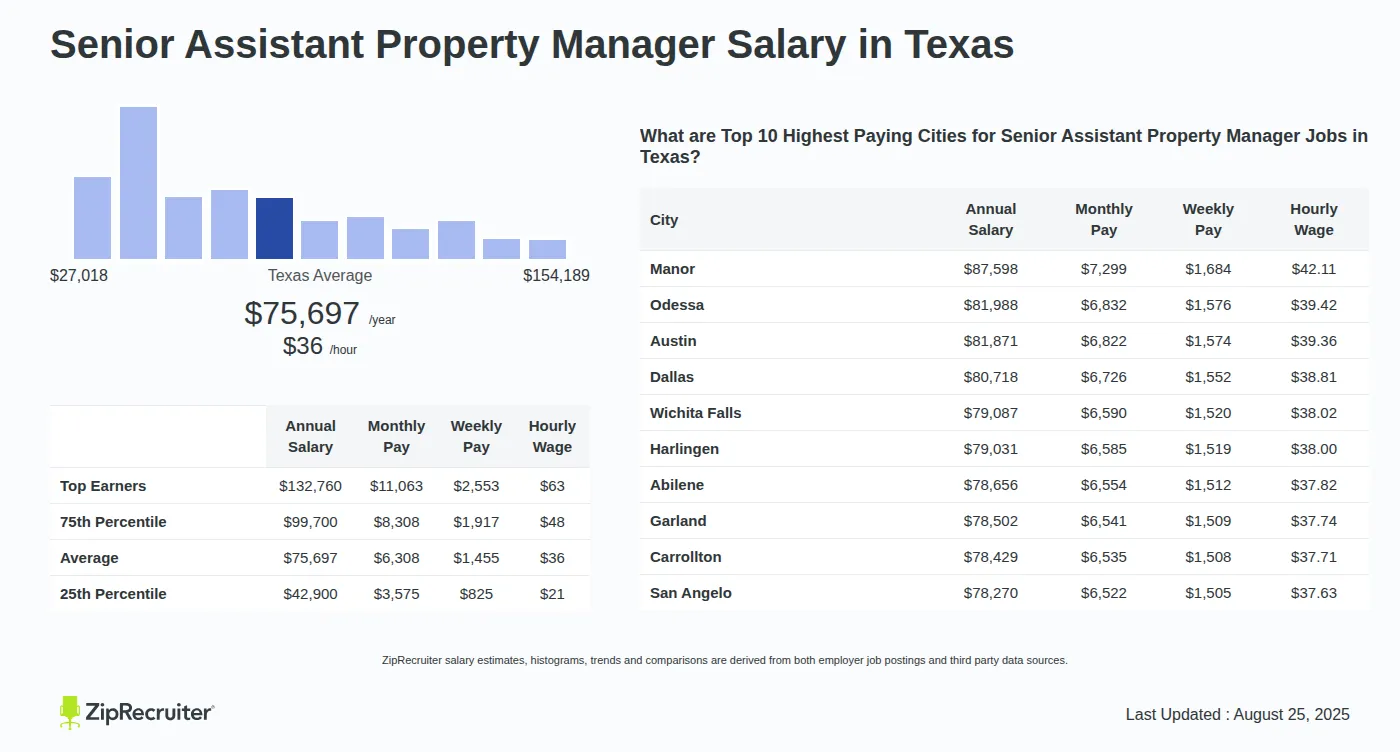
However, this range tells only part of the story. Entry-level assistant property managers might start out closer to $40,000, while senior portfolio managers overseeing luxury high-rises or massive commercial complexes can easily clear six figures. Furthermore, base pay is often supplemented by bonuses, leasing commissions, and sometimes even complimentary housing on-site.
Key Factors That Influence Your Earnings
Several distinct variables determine where you will fall on the property manager salary spectrum. Recognizing these factors can help you target the most lucrative positions or negotiate better terms.
1. Geographic Location
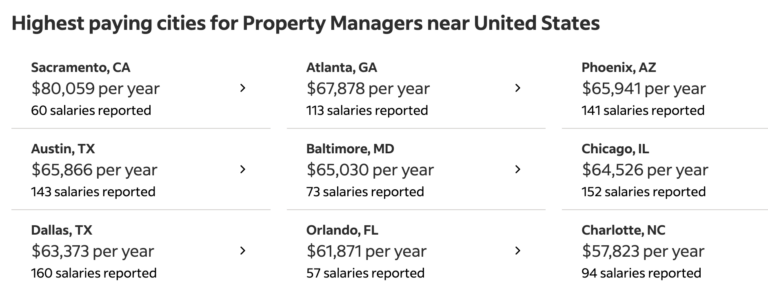
Location remains one of the most powerful drivers of salary differences. High-cost-of-living metropolitan areas with intense rental markets—such as New York City, San Francisco, Los Angeles, and Boston—offer substantially higher salaries to offset the local economy and manage complex properties. In contrast, property managers working in rural areas or smaller towns generally see lower base salaries, though the cost of living may balance out the difference.
2. Property Type
Video: Property Manager Salary
The type of real estate you manage dictates your daily responsibilities and, consequently, your pay rate:

- Residential Single-Family Homes: Often involves managing scattered-site portfolios, which can require more travel but slightly lower baseline complexity.
- Multi-Family Apartment Complexes: Focuses on on-site operations, tenant relations, and maintaining high occupancy rates. Salaries scale with the size of the complex.
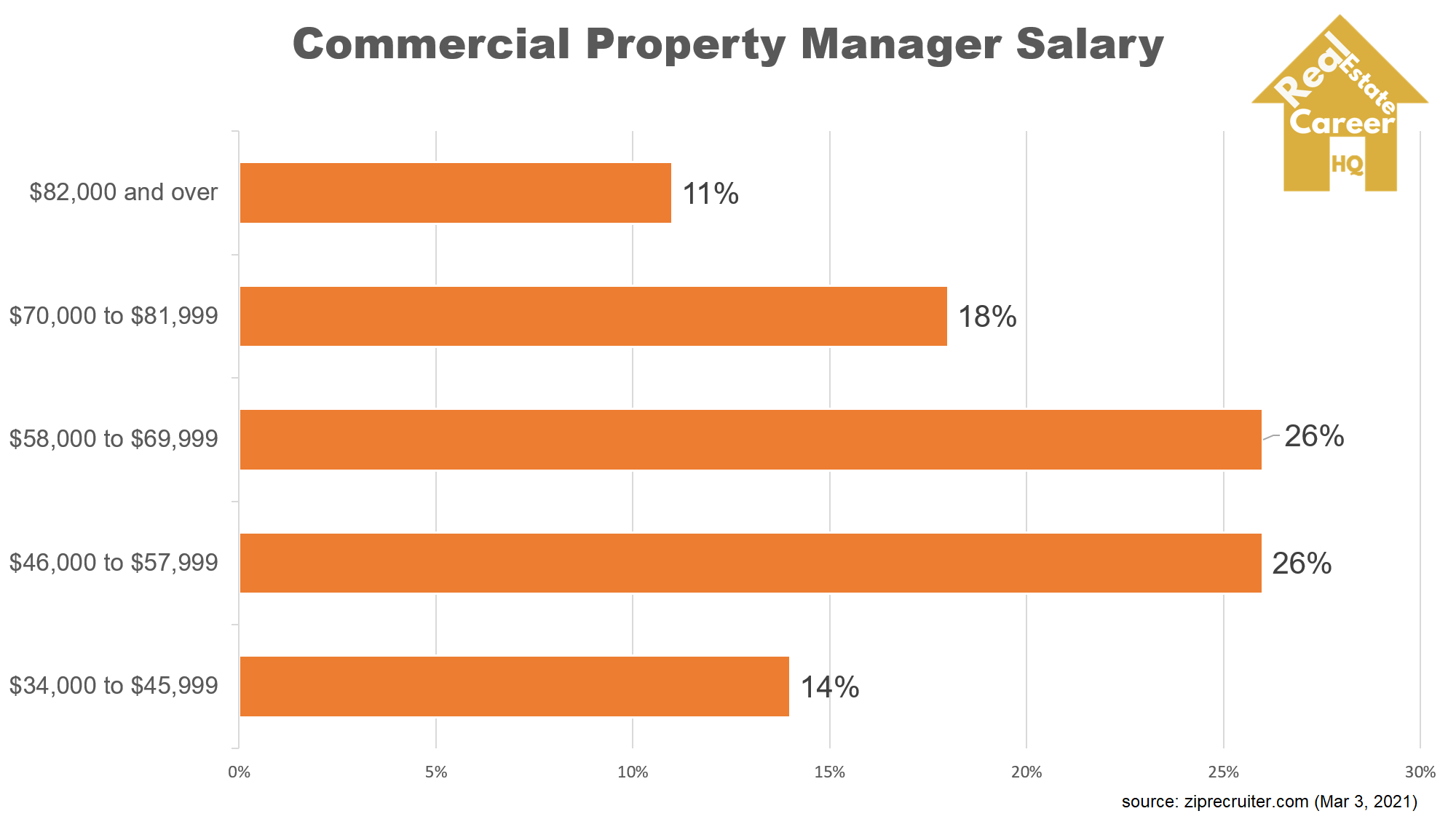
- Commercial Real Estate: Managing office buildings, retail centers, or industrial parks typically commands the highest salaries due to the complex nature of commercial lease agreements and higher financial stakes.
3. Experience and Certifications
As with most professions, tenure matters. Professionals with five to ten years of experience command significantly higher offers than those fresh out of college or transitioning from another career. Earning industry-recognized credentials can also fast-track your earnings. Designations from reputable organizations—such as the Institute of Real Estate Management (IREM) or the National Apartment Association (NAA)—signal high competence to employers and justify higher pay.
Beyond the Base: Bonuses and Perks
When evaluating a job offer, looking solely at the base property manager salary can be misleading. Many compensation packages include lucrative add-ons that can boost your total annual take-home pay by 10% to 30% or more.
Common supplementary income streams include:
How to Increase Your Earning Potential
If you want to maximize your income in this field, proactive career management is vital. Relying solely on annual cost-of-living adjustments will leave money on the table.
Start by expanding your portfolio. Managing a larger number of units or transitioning from standard residential properties to commercial real estate naturally opens doors to higher pay brackets. Additionally, invest in continuous education. Learning specialized software (like Yardi or AppFolio), mastering digital marketing for tenant acquisition, and obtaining professional certifications make you an indispensable asset to property ownership groups.
Finally, do not shy away from performance-based compensation structures. If you are confident in your ability to drive occupancy and run efficient operations, negotiating a lower base with higher performance bonuses can yield a much larger paycheck at the end of the year.
Conclusion
A career in property management offers strong financial stability and clear pathways for upward mobility. While a standard property manager salary provides a comfortable middle-class living, the real earning potential lies in specializing in high-value properties, earning industry certifications, and negotiating performance-based bonuses. By understanding the market and continuously sharpening your operational skills, you can build a highly lucrative career in real estate management.