ProPublica 990 Review: Better Nonprofit Disclosures
For modern nonprofits, transparency is no longer optional. With platforms like the IRS Tax Exempt Organization Search and ProPublica's Nonprofit Explorer making financial data instantly searchable, anyone from a major foundation grantmaker to an individual donor can analyze your tax filings in seconds. Conducting your own internal ProPublica 990 Review is one of the smartest ways to ensure your public-facing financial disclosures tell an accurate, compelling story about your mission and stewardship.

When a donor or journalist looks up your organization on public databases, they do not just see a spreadsheet; they see a narrative about how you manage resources. Here is a comprehensive guide on how to evaluate your Form 990 through the lens of a watchdog, along with actionable steps to improve your financial disclosures.
Why Every Organization Needs a ProPublica 990 Review
ProPublica’s database has democratized nonprofit financial data. It aggregates years of IRS Form 990 filings, turning dense XML and PDF documents into user-friendly summaries, complete with executive compensation charts, revenue breakdowns, and expense ratios.
Charity evaluation websites, major media outlets, and savvy donors routinely pull data from these exact sources. If your Form 990 contains reporting errors, missing policy checkboxes, or unexplained financial anomalies, it can raise immediate red flags. A proactive review helps you catch mistakes before a donor or reporter does, protecting your reputation and safeguarding future funding streams.
Common Pitfalls Visible in Public Form 990s
When reviewing filings on public portals, certain sections draw the most scrutiny. Ensuring accuracy in these areas is vital for maintaining public confidence.
1. Incomplete Governance Policies
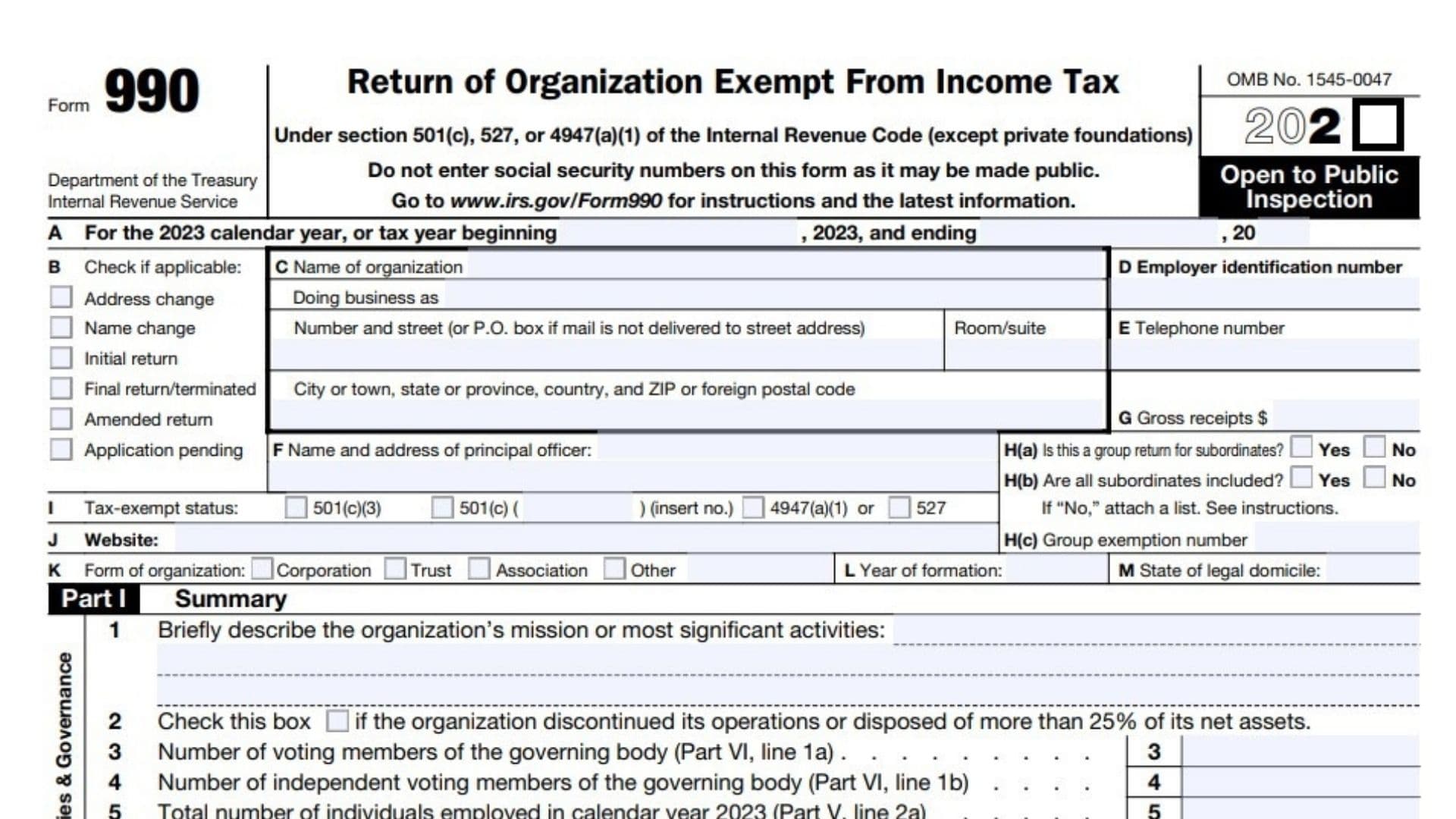
Part VI of Form 990 asks detailed questions about your governance structure—such as whether you have a conflict of interest policy, a whistleblower policy, and a document retention policy. Leaving these blank or checking "No" signals to institutional funders that your board lacks basic oversight mechanisms. Even if your practices are sound, failing to document them properly on the form damages your credibility.
Video: Demystifying the 990: A guide to understanding nonprofit financial disclosures

2. Misclassified Functional Expenses
Donors scrutinize the breakdown between Program Services, Management & General, and Fundraising expenses. While organizations often want to show an overwhelmingly high percentage of spending going directly to programs, artificially deflating administrative or fundraising costs can lead to unrealistic reporting. Consistent, defensible allocation methodologies are essential for audit readiness and public trust.
3. The Narrative Gap
Part III of the form asks for a statement of your primary program service accomplishments. Many organizations treat this section as an afterthought, filling it with dry, bureaucratic jargon. However, this is prime real estate. It is often the first qualitative text a reader encounters during a ProPublica 990 review. Failing to clearly articulate your impact here wastes a valuable branding opportunity.
Practical Steps to Improve Your Financial Disclosures
Improving your transparency requires a blend of meticulous accounting, strategic communication, and strong board governance. Implement these steps to upgrade your filings:
- Perform an Annual Mock Review: Before submitting your Form 990 to the IRS, look up your previous year's return on public search tools. Read it as if you were a skeptical donor evaluating a grant request.
- Treat Part III as a Marketing Asset: Collaborate with your communications team to draft program descriptions. Use clear, accessible language, highlight measurable outcomes, and tell a concise story of what your organization achieved.
- Provide Robust Context for Anomalies: If your organization experienced a massive surge in revenue due to a capital campaign, or a temporary spike in expenses due to infrastructure upgrades, use Schedule O to explain the context. Numbers without context often invite misinterpretation.
- Ensure Board Review Prior to Filing: The IRS Form 990 asks if a copy of the return was provided to the governing body before filing. Make this a mandatory governance step. A well-informed board prevents costly reporting errors and ensures collective accountability.
Beyond Compliance: Building a Culture of Transparency
Ultimately, optimizing your filings goes beyond simply avoiding IRS penalties or passing a routine compliance check. A thorough ProPublica 990 review allows you to view your organization through an external lens. By treating your Form 990 as a vital communication tool rather than a mere regulatory chore, you can build deeper trust with stakeholders, attract larger philanthropic investments, and firmly establish your nonprofit as a responsible steward of public support.