Push Pull Force Problem Solving for ADHD Minds
Understanding ADHD Paralysis and Resistance

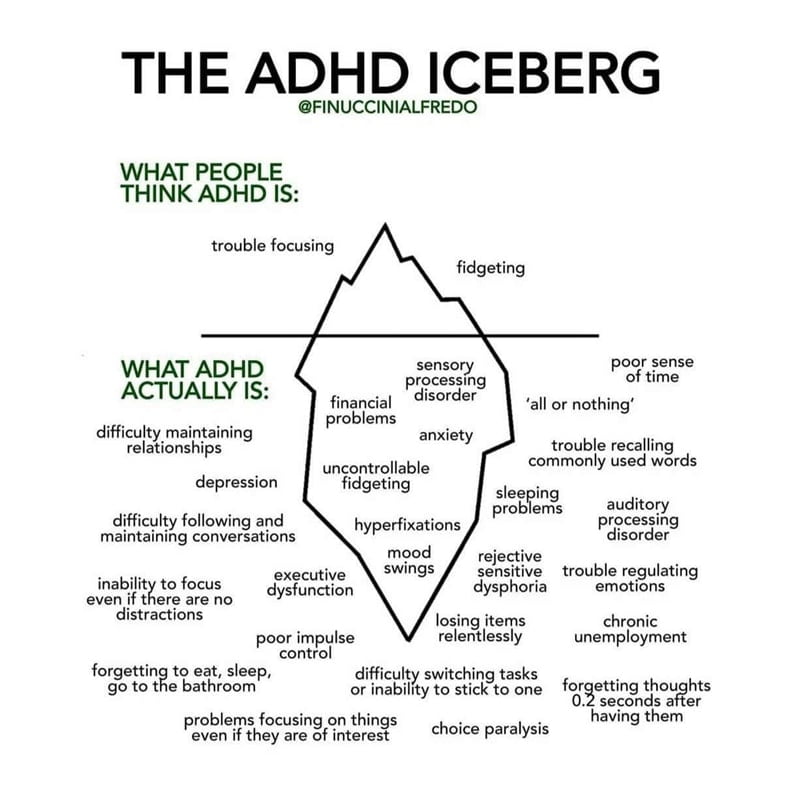
If you have ADHD, you know the frustrating gap between knowing what you need to do and actually doing it. You might stare at a blinking cursor, a sink full of dishes, or an open tax document for hours. This isn't laziness; it is executive dysfunction. Traditional productivity advice tells you to just try harder or make a to-do list, but that rarely works for a neurodivergent brain. To make real progress, you need a different cognitive framework. That is where push pull force problem solving for ADHD minds comes into play.
By analyzing the invisible forces that push you away from a task or pull you toward a distraction, you can stop fighting your brain and start working with its natural wiring. This article explores how to harness these opposing forces to reduce overwhelm and accomplish your goals.
What is the Push-Pull Force Framework?
Originating from physics and behavioral economics, the push-pull concept examines the vectors of motion. In the context of human psychology and ADHD, every decision or task involves competing forces:
- Push Forces: The internal and external discomforts that push you away from a current state or task (e.g., boredom, fear of failure, physical discomfort, vague instructions).
- Pull Forces: The magnetic attractions that pull you toward a specific reward or alternative activity (e.g., the instant dopamine hit of a video game, the immediate relief of avoiding a hard project).
For an ADHD brain, dopamine regulation dictates behavior. If the pull of a distraction is stronger than the pull of the task—and the push away from the task is high—you experience total paralysis. Effective problem solving requires either weakening the negative forces or strengthening the positive ones.
Applying Push-Pull Force Problem Solving for ADHD Minds
When you find yourself stuck, you can use a systematic approach to diagnose the resistance. Instead of shaming yourself for lacking discipline, act like a scientist evaluating physical forces.
1. Identify the Invisible Push Factors
What is actively pushing you away from the task? For ADHD minds, tasks are rarely viewed neutrally; they are often interpreted by the emotional brain as threats or sources of pain. Common push factors include:

- Task Ambiguity: Vague goals like "clean the office" trigger anxiety because the brain doesn't know where to start.
- Perceived Boringness: A lack of novelty causes physical mental fatigue.
- Overwhelm: Too many steps compressed into a single mental image.
The Fix: Reduce the push force by lowering the barrier to entry. Make the instructions hyper-specific. Instead of "clean the office," change the target to "throw away three pieces of trash from the desk."
2. Counteract Competing Pull Factors
What is pulling you away? Your phone, a shiny new project, or the comfort of the couch exert a powerful gravitational pull. ADHD brains have a "now or not now" time horizon, meaning instant gratification almost always beats future rewards.
The Fix: Manipulate the environment to alter the pull. Put your phone in another room, use website blockers, or hide visual clutter. Conversely, increase the pull of the target task by pairing it with something stimulating, like listening to an engaging podcast while folding laundry (body doubling or audio stacking).
3. Leverage Momentum Over Motivation
Motivation is an unreliable emotion, especially for ADHD individuals whose neurochemistry fluctuates daily. Relying on motivation to push through a task is a recipe for burnout. Instead, focus on creating mechanical momentum.
Think of it like rolling a heavy boulder. The initial push requires immense energy, but once it starts moving, gravity helps pull it along. You can create this momentum by utilizing micro-commitments:
- Commit to working on a project for just two minutes.
- Allow yourself to quit after two minutes if you still hate it. (Usually, the activation energy hurdle is the hardest part, and you will continue).
- Focus entirely on the transition phase rather than the end result.
Practical Strategies for Daily Execution
To integrate this problem-solving methodology into your daily routine, keep a few concrete adjustments in mind. When you notice executive dysfunction creeping in, pause and run a quick mental audit.
Ask yourself: Is the push force too high, or is the pull of a distraction too strong? By answering this, you stop guessing and start treating the root cause. If the task is too painful, add comfort or novelty. If distractions are winning, reduce accessibility. Over time, mastering these forces transforms how you interact with your work, proving that ADHD productivity isn't about rigid discipline—it's about smart environmental design.