Qelbree ADHD Reviews: Efficacy, Side Effects & Cost
Understanding Qelbree and How It Works

When researching Qelbree ADHD reviews, it helps to first understand what this medication actually is. Approved by the FDA, Qelbree (generic name viloxazine) is a non-stimulant prescription medication designed to treat Attention Deficit Hyperactivity Disorder (ADHD) in adults and pediatric patients aged 6 and older.
Unlike traditional stimulant medications like Adderall or Ritalin, which primarily affect dopamine and norepinephrine pathways rapidly, Qelbree is a selective norepinephrine reuptake inhibitor (SNRI). It works by increasing the availability of norepinephrine in the brain, helping to improve attention, focus, and impulse control over time. Because it is non-controlled and non-stimulant, it is often prescribed as an alternative for individuals who cannot tolerate stimulants, have a history of substance abuse, or experience severe anxiety from stimulant use.
What Real Patients Say: Qelbree ADHD Reviews
Patient experiences with Qelbree vary widely, as is common with most psychiatric medications. While clinical trials showed promising results, real-world feedback highlights a mix of significant symptom relief and frustrating side effects.
Positive Patient Feedback
Many positive Qelbree ADHD reviews focus on its steady, all-day coverage without the "crash" typically associated with stimulants. Adults and parents of children taking the medication often report:
- Better emotional regulation: Reduced irritability and fewer emotional outbursts.
- Improved task initiation: Greater ability to start and finish mundane or complex tasks.
- Calm focus: A quieting of the "mental chatter" or hyperactivity without feeling jittery or over-caffeinated.
- Sleep preservation: Unlike stimulants that can ruin sleep architecture, some users find it easier to maintain a normal sleep schedule once adjusted.
Common Complaints and Challenges
On the flip side, negative or cautious reviews point out several hurdles. The most common complaints include severe fatigue during the initial weeks, gastrointestinal discomfort, and the trial-and-error period required to find the right dosage. Some users feel that Qelbree is simply not as potent as stimulants for severe executive dysfunction.
Common Side Effects Reported in Reviews
Side effects play a massive role in medication compliance. According to both clinical data and user reviews, Qelbree comes with a distinct profile of adverse reactions that usually peak during the first few weeks of starting or increasing the dose.

The most frequently reported side effects include:
- Somnolence (Extreme Fatigue): Many users report feeling deeply exhausted, which can be ironic and counterproductive for an ADHD medication. Some prefer taking it at night to combat this.
- Insomnia: Conversely, a subset of users experience trouble sleeping or vivid dreams.
- Headache and Nausea: Mild to moderate headaches and stomach upset are common during the titration phase.
- Decreased Appetite and Weight Loss: Similar to stimulants, appetite suppression can occur, though it is occasionally less severe.
- Increased Heart Rate or Blood Pressure: Because it impacts norepinephrine, monitoring cardiovascular vitals is standard medical practice.
Dosage and Administration Tips
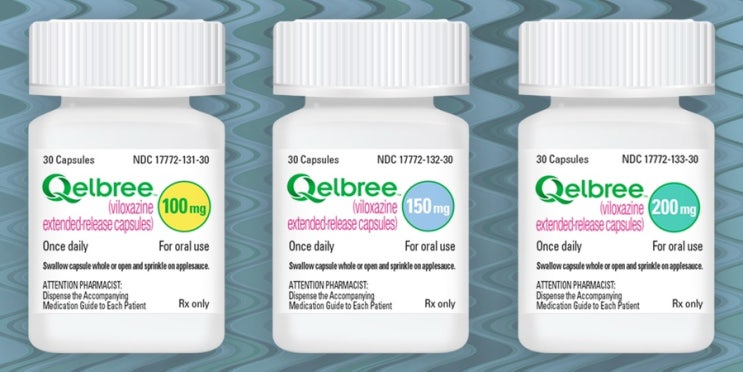
Qelbree comes in extended-release capsules (200 mg, 150 mg, and 100 mg). A notable feature of Qelbree capsules is that they can be swallowed whole or opened, and the contents sprinkled over applesauce for patients who struggle with swallowing pills.
For adults, the typical starting dose is 200 mg once daily, which may be increased up to a maximum of 400 mg daily. Children usually start at 100 mg or 200 mg daily depending on age. Because it builds up in your system, it can take anywhere from 2 to 4 weeks to notice full therapeutic benefits. Patience during the titration phase is a recurring theme in successful patient reviews.
Cost, Insurance, and Accessibility
One of the biggest pain points mentioned in online forums and reviews is the cost of Qelbree. Because it is a newer, brand-name-only medication with no generic equivalent widely available yet, retail prices can exceed several hundred dollars per month without insurance coverage.
Navigating prior authorizations can be tedious. However, the manufacturer offers savings cards and copay assistance programs that can significantly lower out-of-pocket expenses for eligible commercially insured patients. Always check with your specific insurance provider to understand tier placement and requirements.
Comparing Qelbree to Other Non-Stimulants
When evaluating Qelbree, patients often compare it to older non-stimulants like Strattera (atomoxetine) or Intuniv (guanfacine).
- Qelbree vs. Strattera: Both are SNRIs, but Qelbree is often noted for a potentially faster onset of action and a unique capsule design that can be sprinkled on food. Individual biochemistry dictates which one works better with fewer side effects.
- Qelbree vs. Guanfacine: Guanfacine is an alpha-2 adrenergic agonist that leans heavily into calming hyperactivity and emotional reactivity, whereas Qelbree targets focus and attention more directly through norepinephrine reuptake inhibition.
Conclusion: Is Qelbree Right for You?
Qelbree represents a valuable addition to the ADHD treatment landscape, offering a non-stimulant alternative that many adults and children have successfully integrated into their daily routines. However, as Qelbree ADHD reviews demonstrate, results are highly individualized. Potential fatigue, cost barriers, and a multi-week ramp-up period are important factors to weigh. If you are considering Qelbree, consult a qualified healthcare provider or psychiatrist to discuss your medical history, symptoms, and whether a non-stimulant approach aligns with your treatment goals.