Queen - I Want To Break Free Lyrics & Meaning
Introduction to Queen's Anthem
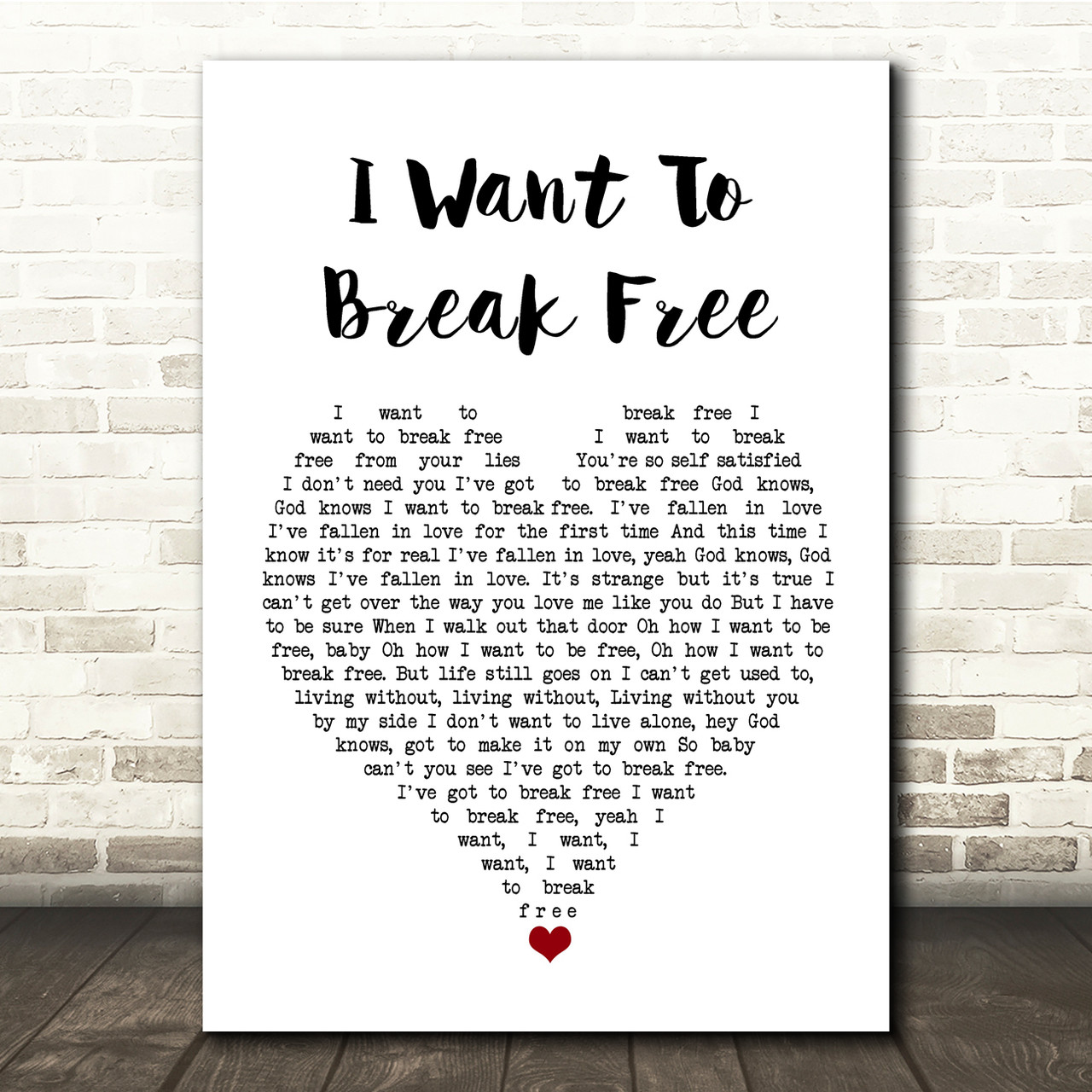
Released in 1984 on Queen’s eleventh studio album, The Works, "I Want to Break Free" remains one of the most beloved and enduring rock anthems of all time. Written by bassist John Deacon, the track stands out not just for its infectious pop-rock melody, but also for its bold message of personal liberation. Whether you are looking for the exact lirik i want to break free to sing along to or want to understand the cultural impact of the song, this guide covers everything you need to know.
The Complete Lirik I Want To Break Free
Here are the official lyrics to Freddie Mercury's timeless vocal performance:
I want to break free
I want to break free
I want to break free from your lies
You're so self satisfied I don't need you
I've got to break free
God knows, God knows I want to break free
I've fallen in love
For the first time
And this time I know it's for real
I've fallen in love, yeah
God knows, God knows I've fallen in love
It's strange but it's true
I can't get over the way you put me love in you
But I have to be sure
When I walk out that door
Oh, how I want to be free, baby
Oh, how I want to be free
Oh, how I want to break free
But life still goes on
I can't get used to living without you, living without you
By my side
I don't want to live alone, hey
God knows, God knows I want to break free
Stylesheet solo / Instrumental bridge...
I want to break free, yeah
I want, I want, I want, I want to break free
The Meaning Behind the Lyrics
At first glance, the lyrics penned by John Deacon appear to be about breaking out of a stifling romantic relationship. Lines like "I want to break free from your lies / You're so self satisfied I don't need you" paint a vivid picture of someone realizing their worth and walking away from a toxic partner.

However, the broader context of the song took on a much deeper meaning for the band. In the UK, the song was widely interpreted as an anthem for gay liberation and personal autonomy. While John Deacon wrote the song from a standard relationship perspective, Freddie Mercury's flamboyant delivery and the band's theatrical presentation transformed it into a universal cry for freedom from societal constraints.
The Controversial Music Video
A Satire of British Soap Operas
No discussion of "I Want to Break Free" is complete without mentioning its iconic music video. Directed by David Mallet, the video famously features all four members of Queen—Freddie Mercury, Brian May, Roger Taylor, and John Deacon—dressed in full women's drag, parodying the long-running British ITV soap opera Coronation Street.
- Freddie Mercury modeled his housewife look after Bet Lynch.
- Roger Taylor played a rebellious schoolgirl sitting by the stairs.
- Brian May appeared as a weary mother doing household chores.
- John Deacon dressed as a sweet elderly grandmother reading a newspaper.
MTV Ban in the United States
While the video was embraced as humorous and clever in the UK and Europe, it caused a massive backlash in the United States. MTV executives completely banned the music video, failing to grasp the ironic British humor. They feared it would confuse American audiences or damage the band's image. Consequently, the song's commercial success suffered in the US market, delaying Queen's American comeback until their legendary Live Aid performance in 1985.
Musical Composition and Style
Musically, "I Want to Break Free" bridges the gap between traditional rock and electronic pop. John Deacon originally composed the song using a synthesizer, giving it a distinct synth-pop foundation. Key musical elements include:
- The Synth Opening: A catchy, rhythmic synthesizer sequence kicks off the track, setting a modern 1980s tone.
- The Guitar Solo: Midway through, Brian May delivers a soaring, emotional guitar solo using his signature Red Special guitar, seamlessly blending rock grit with the song's pop structure.
- Vocal Harmony: Freddie Mercury's powerful lead vocals are backed by the unmistakable multi-layered vocal harmonies of Mercury, May, and Taylor.
Legacy and Cultural Impact
Decades after its release, "I Want to Break Free" remains a staple of classic rock radio and a fan favorite at Queen + Adam Lambert live concerts. The song experienced a massive resurgence in popularity following the 2018 biographical film Bohemian Rhapsody, introducing a whole new generation to its empowering lyrics and unforgettable music video.
Whether you sing it at the top of your lungs during a road trip or listen to it during a major life transition, the core message remains just as potent today as it was in 1984: the universal human desire to break free from whatever holds us back.


