Quenepas: The Tropical Superfruit to Try
Introduction to Quenepas

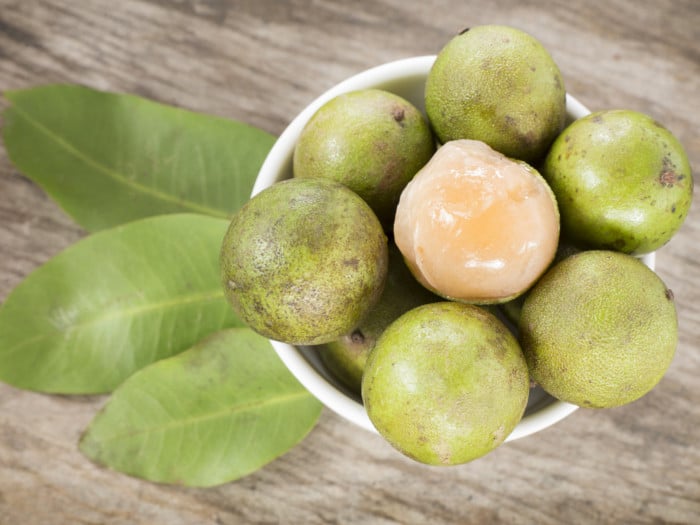
Walk down a Caribbean street in the late summer months, and you are likely to spot vendors selling small, green, cluster-hanging fruits wrapped in brown paper bags. Known locally by dozens of different names, quenepas the tropical superfruit you need to know about has quietly sustained island cultures for generations while remaining largely under the radar in mainstream global wellness markets.
Scientifically classified as Melicoccus bijugatus, the quenepa goes by many aliases. In Puerto Rico and the Dominican Republic, they are quenepas. In Jamaica, they are guineps. Head over to South America, and you might hear them called mamoncillos, while Mexicans often refer to them as huaya or Spanish limes. Despite the citrus-sounding nickname, they are actually members of the soapberry family (Sapindaceae), closely related to lychees, rambutans, and longans.
What Do Quenepas Taste Like?
Eating a quenepa is an experience that requires a bit of patience and playfulness. The fruit is about the size of a large marble, encased in a brittle, leathery green skin. To get to the edible portion, you gently crack the skin open with your teeth or fingers—careful not to stain your clothes with the tannin-rich juice—and peel it away.
Inside, you will find a translucent, gelatinous pulp wrapped tightly around a large seed. The flavor is an addictive, refreshing balance of sweet and tart, often compared to a cross between a lime and a lychee, with a subtle undertone of mango or citrus. You simply pop the fruit-covered seed into your mouth and roll it around, sucking off the tangy pulp until nothing is left on the pit.
Nutritional Profile and Health Benefits
Beyond their fun eating ritual, these little fruits pack a serious nutritional punch. Incorporating them into your diet offers a surprising array of health advantages backed by traditional use and modern nutritional science.
1. Rich in Antioxidants
Quenepas are loaded with phenolic compounds and antioxidants, particularly Vitamin C and Vitamin A. These powerful micronutrients help neutralize unstable free radicals in the body, reducing oxidative stress, lowering inflammation, and potentially lowering the risk of chronic diseases.
2. Boosts Immune Function
Thanks to high concentrations of ascorbic acid (Vitamin C), eating quenepas can help strengthen your immune system. Regular intake supports white blood cell production, helping your body ward off common infections, colds, and seasonal bugs.
3. Supports Digestive Health

The fruit is a good source of dietary fiber. Fiber is essential for maintaining a healthy gastrointestinal tract, promoting regular bowel movements, preventing constipation, and feeding the beneficial bacteria that reside in your gut microbiome.
4. Enhances Nervous System Health
Surprisingly, quenepas contain notable amounts of minerals like phosphorus and calcium, alongside B-vitamins. These nutrients play a critical role in supporting nervous system function, maintaining cognitive health, and regulating mood and sleep cycles.
How to Eat and Enjoy Quenepas
While fresh is always best, there are several ways to enjoy quenepas depending on where you source them and how adventurous you feel in the kitchen.
- Fresh Out of the Shell: The most popular and traditional method is eating them raw. Simply crack, peel, and savor the pulp.
- Juices and Beverages: In many Caribbean and Latin American countries, the pulp is boiled and blended with sugar, water, and spices like ginger or lime to create a refreshing summer drink.
- Jams and Preserves: Because of their natural pectin and tartness, quenepas can be simmered down into jams, jellies, and syrups.
- Roasted Seeds: In some indigenous culinary traditions, the large seed inside the fruit is roasted, ground down, and used as a flour substitute or added to traditional medicines.
Precautions and Safety Tips
While quenepas are delicious and nutritious, there are a few important safety guidelines to keep in mind, especially if you are sharing them with children.
The primary concern is the size and shape of the seed. Because the pit is hard, smooth, and roughly spherical, it poses a significant choking hazard, particularly for young children. Parents should always remove the seed or supervise children closely while they eat. Additionally, the skin contains natural tannins that can stain clothing permanently, so handle them with care.
Where to Find Quenepas
Because they are highly perishable and have a relatively short harvest season (typically spanning from July to October), finding fresh quenepas outside of their native regions can be a fun treasure hunt. If you live in North America or Europe, your best bet is to visit local Caribbean, Latin American, or Asian specialty grocery stores during the summer months. Farmers markets in southern Florida or Puerto Rico are also prime spots for picking up a fresh batch.
Final Thoughts
Quenepas offer a wonderful combination of cultural tradition, playful eating, and stellar nutritional benefits. Whether you stumble upon them at a local market during a tropical vacation or track them down at a specialty grocer, trying this unique superfruit is well worth the effort. Add them to your foodie bucket list for a taste of the Caribbean that your taste buds—and your immune system—will thank you for.