Quest Diagnostics Depew: Inside the Medical Scandal
In recent months, headlines and patient forums across Western New York have zeroed in on a troubling narrative dubbed by critics and patients as Quest Diagnostics Depew: The Scandal That's Rocking the Medical World. What began as localized grievances over delayed results and customer service missteps quickly escalated into serious discussions about specimen handling integrity, diagnostic accuracy, and corporate accountability in modern clinical laboratories.

For residents of Depew and surrounding Erie County communities, diagnostic testing facilities are not abstract corporate entities; they are frontline medical touchpoints where routine blood panels, biopsy screenings, and prenatal tests determine critical medical decisions. When trust in such an institution erodes, the fallout reaches far beyond local administrative offices.
The Origins of the Controversy in Depew, New York
The controversy surrounding the Quest Diagnostics facility on Transit Road in Depew stems from a convergence of patient complaints, operational strains, and broader systemic pressures within high-volume commercial testing labs. While Quest Diagnostics operates thousands of patient service centers nationwide, regional hubs often experience acute local pressures that expose organizational vulnerabilities.
Reports emerging from local healthcare providers and patients centered on three primary grievances:
- Specimen Integrity and Lost Samples: Multiple patients reported being instructed to return for repeat blood draws after samples were reportedly lost, degraded during transport, or deemed non-viable due to improper storage.
- Critical Reporting Delays: Physicians in the Buffalo-Niagara medical network expressed frustration over turnaround times for vital metabolic panels and oncology markers, which in several instances delayed time-sensitive interventions.
- Diagnostic Discrepancies: Instances of conflicting lab readings—where an initial panel performed at the Depew center yielded results starkly different from subsequent tests run at local hospital laboratories—prompted questions about calibration and technician oversight.
Quest Diagnostics Depew: The Scandal That's Rocking the Medical World
Why did regional lab complaints earn such a sensational description? The phrase Quest Diagnostics Depew: The Scandal That's Rocking the Medical World reflects how local diagnostic issues can serve as an alarming microcosm of national healthcare vulnerabilities. In the modern diagnostic ecosystem, an error at a regional phlebotomy center is rarely isolated—it exposes vulnerabilities in high-throughput supply chains.
When clinical laboratories face severe staffing shortages, the margin for error narrows dangerously. Phlebotomists and lab technicians at commercial outpatient centers often process dozens of patients per hour. In Depew, former staff members and local industry observers pointed to chronic understaffing, rapid turnover, and aggressive quotas as key contributors to pre-analytical errors—mistakes made before a sample even reaches the automated analyzer.
The Danger of Pre-Analytical Errors
Medical literature demonstrates that between 60% and 70% of laboratory errors occur in the pre-analytical phase. These include:
- Incorrect patient identification or tube mislabeling.
- Hemolysis caused by improper venipuncture technique.
- Failure to invert additive tubes immediately following blood collection.
- Prolonged exposure to ambient temperatures prior to centrifugation or refrigeration.
When pre-analytical protocols fail, the most advanced diagnostic equipment in the world cannot generate an accurate result. In a clinical context, a false positive can lead to unnecessary, invasive procedures, while a false negative can cause life-threatening illnesses to go undiagnosed.

Regulatory Oversight: New York State's Strict Lab Standards
Clinical laboratories operating in New York face one of the most rigorous regulatory environments in the United States. While federal facilities are governed by the Clinical Laboratory Improvement Amendments (CLIA) under the Centers for Medicare & Medicaid Services (CMS), New York maintains its own oversight mechanism: the Clinical Laboratory Evaluation Program (CLEP), administered by the New York State Department of Health (NYSDOH).
Under CLEP, New York does not automatically recognize standard federal certifications; facilities must meet independent state standards that govern staff qualifications, procedural validation, and quality control metrics. When systemic complaints emerge regarding a New York facility, state health inspectors possess the legal authority to conduct unannounced inspections, audit testing logs, and mandate corrective action plans.
Corporate Accountability and Quality Control
In response to public scrutiny, major diagnostic firms typically emphasize automated tracking systems, barcode verification, and rigorous internal audits. However, critics argue that corporate consolidation in the diagnostic sector has created regional monopolies where patient throughput is prioritized over personalized quality control. When local oversight fails to keep pace with volume demands, regulatory bodies must intervene to protect public health.
What Patients Should Do if They Suspect Lab Errors
For patients who have utilized diagnostic testing services in Depew or any commercial lab and have concerns about the reliability of their results, concrete steps should be taken immediately to safeguard health outcomes.
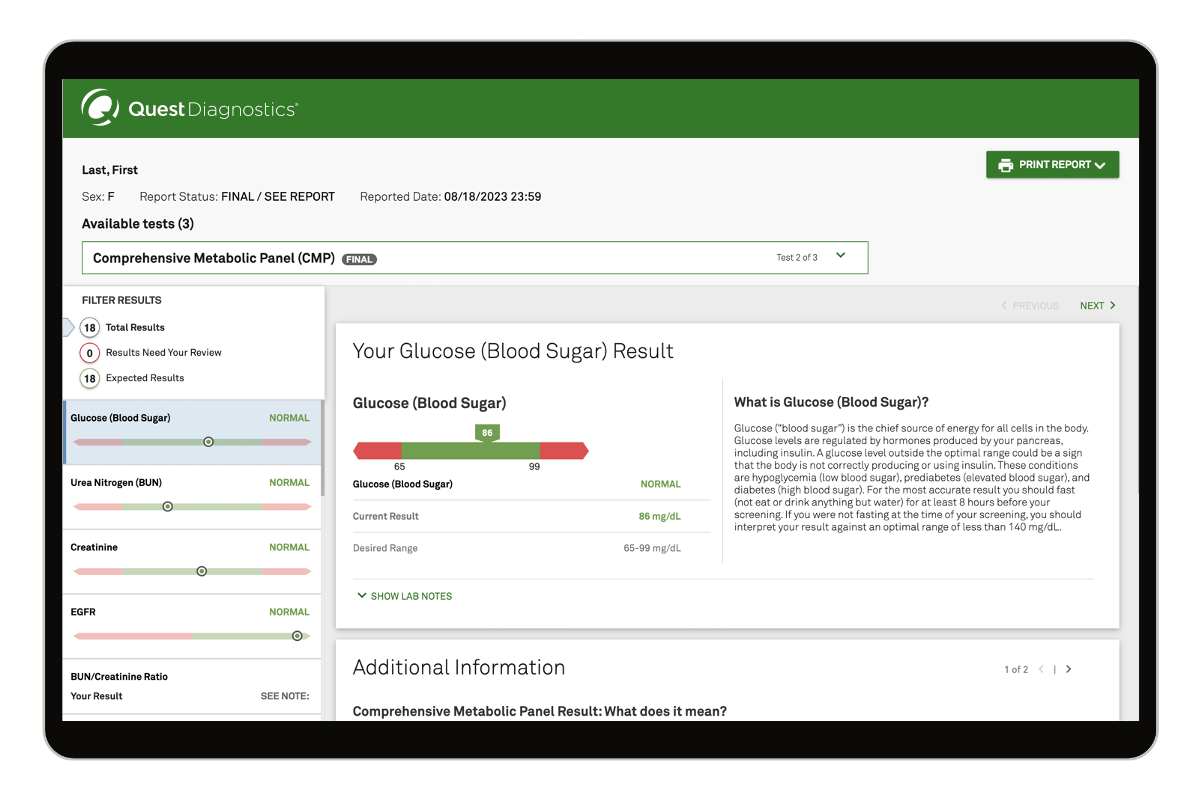
- Request Complete Lab Reports: Always obtain the full, itemized laboratory report—not just your physician's summary. Check the collection time, processing time, and reference ranges.
- Cross-Reference Inconsistent Readings: If a lab result contradicts your clinical symptoms or prior medical history, discuss the anomaly with your physician and request an immediate confirmatory re-test, preferably through an independent hospital-based laboratory.
- Preserve Documentation: Keep copies of all requisition orders, appointment confirmations, and billing statements if you experienced lost specimens or repeat blood draws.
- File a Formal Regulatory Complaint: If you believe a diagnostic facility committed gross negligence, mislabeled a specimen, or violated safety protocols, you can submit an official complaint to the New York State Department of Health's Wadsworth Center or file a CLIA complaint via CMS.
Restoring Trust in Regional Diagnostic Medicine
The controversy surrounding the Depew location represents a critical teaching moment for the medical community. Diagnostic testing accounts for a small fraction of overall healthcare spending, yet it influences roughly 70% of all medical decisions. When reliability falters at a local collection facility, the entire diagnostic chain breaks down.
Restoring public trust requires transparent communication from laboratory management, thorough regulatory auditing by state health officials, and manageable workloads for frontline healthcare personnel. As the medical community reflects on the lessons of the Depew controversy, the priority must remain steadfast: ensuring that every vial of blood, tissue sample, and diagnostic panel is handled with the precision and diligence that patient lives demand.