Raffle Wheel Guide: Ideas, Setup, and Best Tools
Few sounds build anticipation quite like the rapid, rhythmic clicking of a spinning wheel slowing down to stop on a prize. Whether you are running a charity fundraiser, hosting a corporate booth at an expo, or engaging students in a classroom, a raffle wheel transforms a routine prize giveaway into an interactive spectator event.
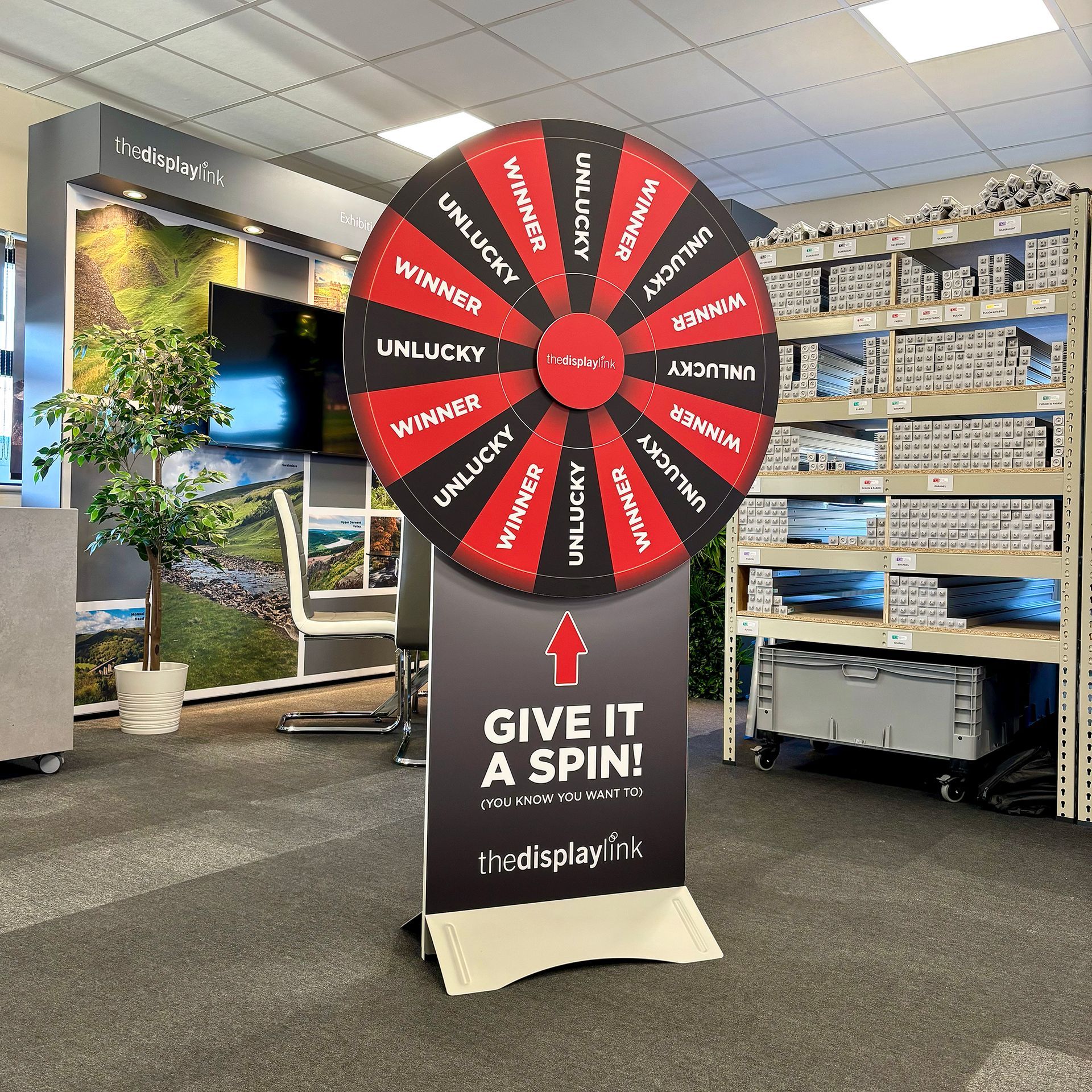
While traditional raffles rely on opaque buckets and paper tickets, a spinning wheel adds visual drama and immediate gratification. In this guide, we explore how raffle wheels work, examine physical versus digital options, and share practical tips to make your next draw engaging, fair, and seamless.
What Is a Raffle Wheel and How Does It Work?
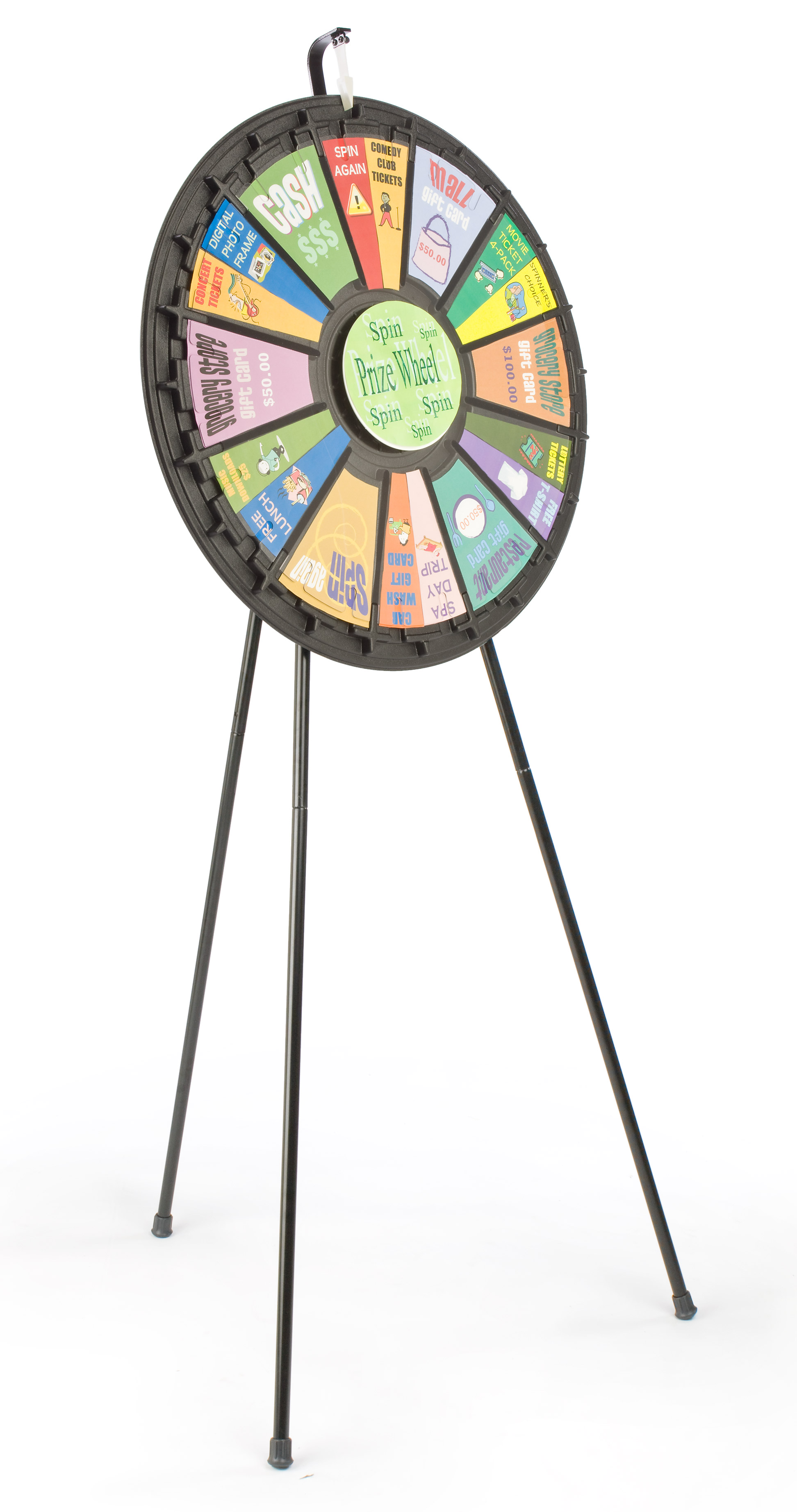
A raffle wheel—frequently called a prize wheel or spinning wheel—is a divided circular board mounted vertically on a spindle. Around the perimeter, pegs separate different segments that display prizes, numbers, challenges, or participant names. As the wheel spins, a flexible pointer (or "flapper") clicks against the pegs, creating friction that eventually brings the wheel to a halt at a single winning section.
Today, the concept spans two distinct formats:
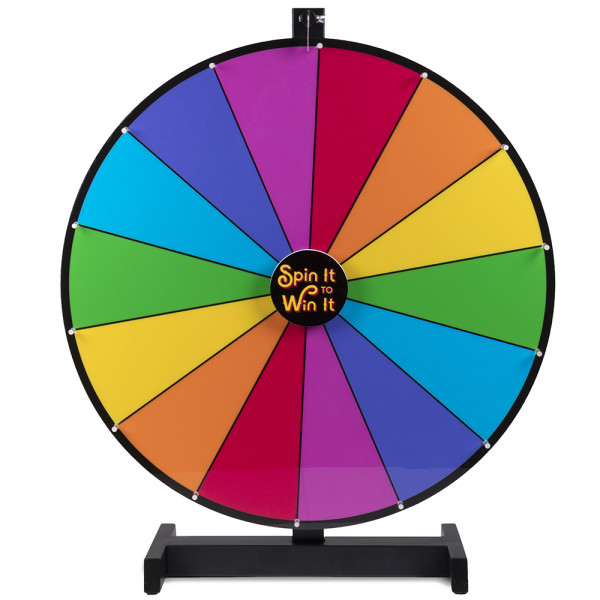
- Physical wheels: Freestanding or tabletop hardware made of acrylic, wood, or dry-erase board, commonly used at in-person gatherings, trade shows, and carnivals.
- Digital wheels: Web-based software or apps that use a random number generator (RNG) algorithm to simulate a spinning wheel on screens, projectors, or live streams.
Popular Use Cases for a Raffle Wheel
The versatility of a spinning wheel makes it suitable for virtually any setting where you need to distribute rewards or make random selections transparently.
1. Non-Profit Fundraisers and Galas
Charity events often pair wheels with ticket sales. Guests buy a ticket for the opportunity to spin the wheel for tiered prizes donated by local sponsors. The visual presence of the wheel on a stage or near the entrance encourages competitive participation and helps organizers surpass donation goals.
2. Trade Show Booths and Retail Promotions
At crowded exhibitions, foot traffic is everything. A brightly colored prize wheel gives passersby a clear reason to stop. Exhibitors often exchange a spin for an email address, badge scan, or product demonstration, making it a high-converting lead generation mechanism.
3. Classroom and Workplace Gamification
Educators use smaller desktop spinners to select student speakers, award homework passes, or review study topics randomly. In office environments, managers employ digital wheels during remote all-hands meetings to distribute quarterly incentives or spotlight team accomplishments.
4. Social Media Live Giveaways
Streamers and digital marketers frequently use virtual wheels during YouTube, Twitch, or Instagram broadcasts. Displaying the wheel on-screen gives viewers verifiable proof that winners are chosen randomly, eliminating accusations of bias.
Physical vs. Digital Raffle Wheels: Which Should You Choose?
Selecting between hardware and software depends on your venue, budget, and audience size.
Physical Wheels
Physical wheels excel at live, tactile sensory appeal. The mechanical clacking of the pointer draws crowds from across a room in a way that muted digital screens rarely match.
Pros:

- Strong visual and auditory presence in physical spaces.
- Requires no internet connection, power cables, or screens.
- Intuitive for participants of all ages.
Cons:
- Limited to a fixed number of segments (typically 10 to 24 slots).
- Bulkier to store and transport.
- Physical wear on pegs and pointers requires maintenance.
Digital Wheels
Online spinning tools provide immense flexibility. You can paste hundreds of names directly from a spreadsheet, customize graphics instantly, and project the interface onto massive monitors.
Pros:
- Can handle virtually unlimited entries or names.
- Free or low-cost options readily available online.
- Seamless integration with webinars, virtual events, and projector screens.
- Mathematical randomness backed by certified algorithms.
Cons:
- Lacks the physical, hands-on satisfaction of pulling a wheel yourself.
- Requires a reliable device, display, and sometimes an internet connection.
Key Features to Look For in a Raffle Wheel
If you plan to purchase a physical wheel or subscribe to a digital platform, evaluate these practical features before committing:
Customizable Slots
Avoid wheels with permanently printed prizes. Look for physical models with dry-erase laminate surfaces or slotted plastic pockets that let you insert custom paper labels. For digital wheels, ensure you can save multiple presets and color-code entries.
Balanced Weight Distribution
A poorly manufactured physical wheel will suffer from balance bias, where heavier sections consistently gravitate toward the bottom, causing the wheel to land on the same few prizes. Quality models use precision bearings to guarantee a smooth, unweighted spin.
Durable Flappers and Pegs
The flapper takes the brunt of the mechanical force. Look for physical units equipped with flexible PVC or nylon pointers and dual-welded steel pegs that will not snap after repeated heavy pulls.
Audible Sound Control
The clicking noise generates excitement, but in enclosed conference rooms or classrooms, excessive volume can disrupt adjacent activities. Many digital tools offer adjustable sound effects, while higher-end physical wheels feature adjustable clicker tension to regulate noise.
Best Practices for Running a Fair and Exciting Spin
A poorly executed raffle can lead to disputes or deflated energy. Follow these rules to run a successful giveaway:
- Define the Spin Rules Upfront: Clearly state what constitutes a valid spin. A common rule is that the wheel must complete at least three full 360-degree rotations to count. This prevents players from attempting gentle, calculated nudges.
- Address Borderline Stops: Specify in advance how you handle ties. If the pointer rests directly on a peg separating two segments, the standard convention is to re-spin, or award the prize the peg leans toward once released.
- Balance Prize Odds: If you have one grand prize and many small prizes, adjust slot frequency. On a physical wheel with 12 slots, dedicate only one segment to the top prize and multiple segments to branded swag, discounts, or "Spin Again."
- Build the Spectacle: Appoint a charismatic host or emcee to stand near the wheel. Encouraging audience cheers, providing play-by-play commentary, and using dramatic countdowns maximize the promotional return on your prize budget.
Final Thoughts
A raffle wheel remains one of the most reliable tools for transforming passive attendees into active participants. Whether you invest in a sturdy dry-erase tabletop spinner for regular pop-up events or load a free digital wheel for your next remote meeting, the combination of suspense, sound, and simple rules guarantees an engaging experience every time it spins.