Rand Paul’s Iran Warning: Conservative Foreign Policy
Introduction to Rand Paul’s Iran Warning

For decades, American foreign policy regarding the Middle East has been dominated by a bipartisan consensus favoring intervention, regime change, and heavy military commitments. Within the conservative movement, the prevailing neo-conservative doctrine argued that American power should be used aggressively to reshape rogue states and project stability. However, a significant ideological shift has been underway, championed most visibly by Senator Rand Paul. Central to this shift is Rand Paul’s Iran Warning: The Conservative Voice Silent Too Long on Iran’s Threats, which challenges traditional interventionist dogma and asks hard questions about constitutional war powers, national debt, and long-term strategic outcomes.
While critics often mischaracterize Paul’s non-interventionist stance as isolationism, his warnings regarding Tehran are rooted in a pragmatic, constitutionally minded conservatism. Rather than advocating for endless wars or open-ended economic sanctions that fail to achieve their aims, Paul focuses on the unintended consequences of foreign entanglements. This article examines the core tenets of his perspective, the foreign policy debates within the Republican Party, and what his warnings mean for the future of American national security.
The Traditional Conservative Stance on Tehran
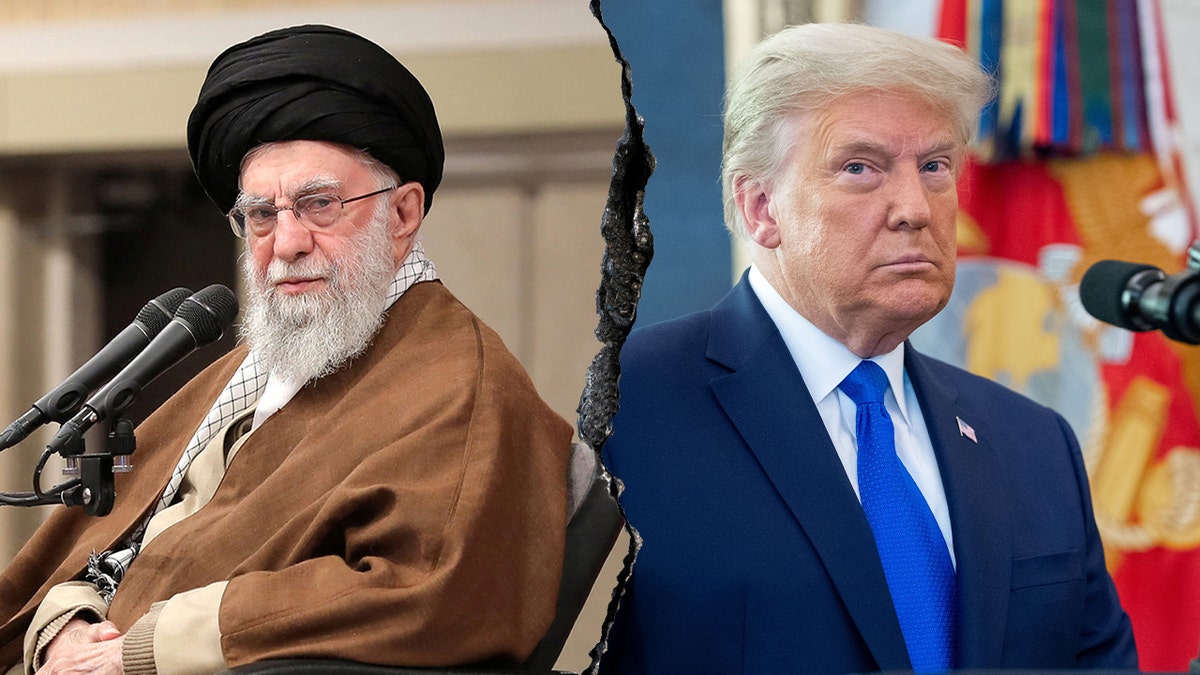
To understand why Paul’s perspective has sparked such intense debate, it is necessary to examine the historical conservative approach to the Islamic Republic of Iran. Since the 1979 Islamic Revolution, mainstream Republicans have viewed Tehran as a primary sponsor of global terrorism, a dangerous destabilizer in the Middle East, and an existential threat to allies like Israel.
The standard policy prescription from this wing of the party typically includes:
- Maximum pressure economic sanctions designed to bankrupt the regime.
- Open threats of military force or covert operations to halt nuclear enrichment programs.
- Support for proxy groups or internal opposition movements aiming for regime change.
- Deep strategic integration and military aid to regional partners facing Iranian aggression.
While supporters of this approach argue that strength is the only language Tehran understands, critics point out that decades of maximum pressure have not prevented Iran from advancing its nuclear capabilities, expanding its regional proxy network across Lebanon, Iraq, Yemen, and Syria, and deepening its alliances with powers like Russia and China.
Re-Evaluating Interventions Through a Constitutional Lens
Rand Paul’s approach diverges fundamentally on the question of constitutional authority and unintended consequences. A core pillar of his political philosophy is that the United States Constitution grants Congress—not the executive branch—the sole power to declare war. Paul has consistently argued that unauthorized military actions, costly nation-building exercises, and permanent military footprints in the Middle East do not make America safer; instead, they stretch the military thin and bankrupt the nation.
The Debt and National Security Connection
Paul frequently emphasizes that the greatest threat to American security is not just foreign adversaries, but the nation's soaring national debt, which now exceeds $34 trillion. Trillion-dollar expenditures on foreign wars, foreign aid packages, and massive defense outlays that lack clear strategic objectives directly contribute to domestic inflation and economic vulnerability.
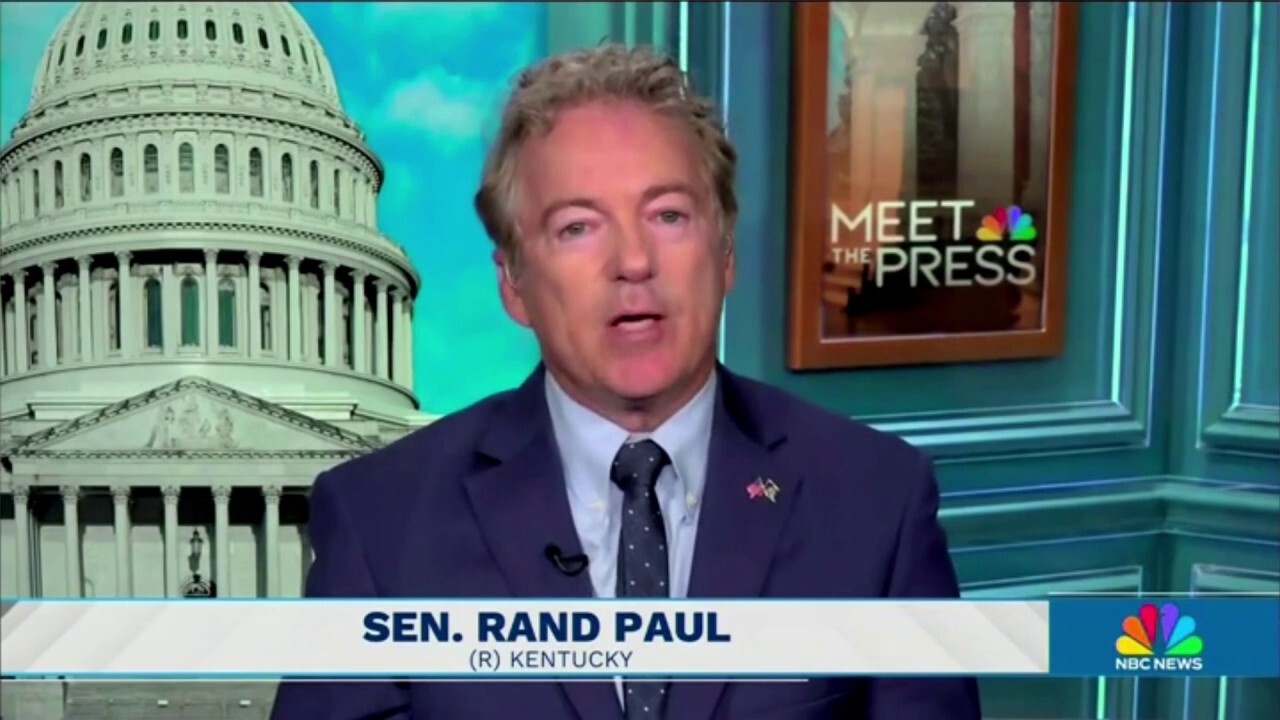
His critique of Iran policy is therefore financial as well as strategic. He contends that pouring resources into endless conflicts drains the resources needed to secure America’s own borders and rebuild domestic infrastructure. For Paul, true national strength begins with a sound economy and strict adherence to the rule of law.
Navigating the Threat: Diplomacy vs. Endless War
Despite his skepticism toward military intervention, Paul does not dismiss the real threats posed by the Iranian regime. Instead, he advocates for a nuanced strategy that prioritizes diplomacy, intelligence, and targeted deterrence over preemptive warfare.
Key elements of his alternative framework include:
- Avoiding Unconstitutional Wars: Insisting that any military action against Iran must receive explicit congressional authorization, preventing presidents from bypassing Article I of the Constitution.
- Smart Deterrence: Utilizing robust intelligence and defensive capabilities to protect U.S. personnel and allies in the region without launching large-scale ground invasions.
- Trade and Diplomacy: Supporting communication channels that prevent catastrophic miscalculations while avoiding naive appeasement.
By shifting the focus away from regime change—which Paul notes often results in chaotic power vacuums filled by even more radical actors—he argues the U.S. can better protect its core national interests.
The Broader Impact on the GOP Foreign Policy Debate
The debate surrounding Rand Paul’s Iran Warning: The Conservative Voice Silent Too Long on Iran’s Threats reflects a broader, generational divide within the Republican Party. The older generation of defense hawks continues to advocate for global policing and muscular interventionism. Meanwhile, a younger, increasingly populist wing of the party—often influenced by the 'America First' platform—shares Paul’s skepticism of foreign entanglements.
This ideological contest is far from settled. Every escalation in the Middle East triggers fierce internal debates between those who demand immediate military responses and those who urge caution and restraint. Paul’s persistent voice ensures that the non-interventionist perspective cannot be easily ignored by party leadership.
Conclusion
Rand Paul’s warnings on Iran challenge Washington's conventional wisdom by forcing lawmakers to weigh the true costs of foreign intervention against constitutional principles and economic realities. Whether one fully agrees with his non-interventionist philosophy or prefers a more traditional muscular defense strategy, his critique serves as a vital check on uncritical militarism. As the Middle East remains a volatile flashpoint, the conservative movement must continue to wrestle with these foundational questions of power, restraint, and national interest.