Randy Owen's Net Worth: Rise to Country Fame
Introduction
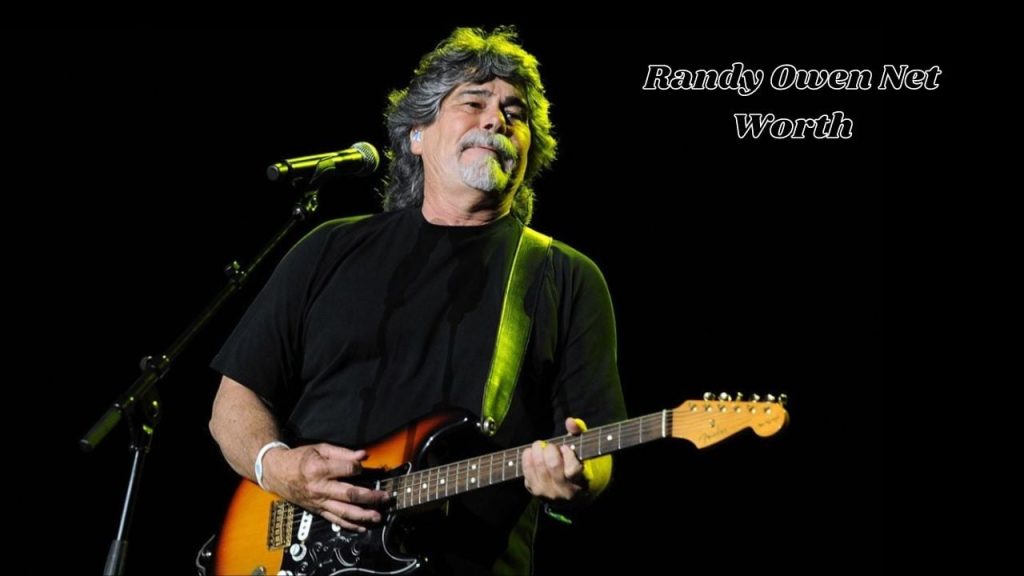
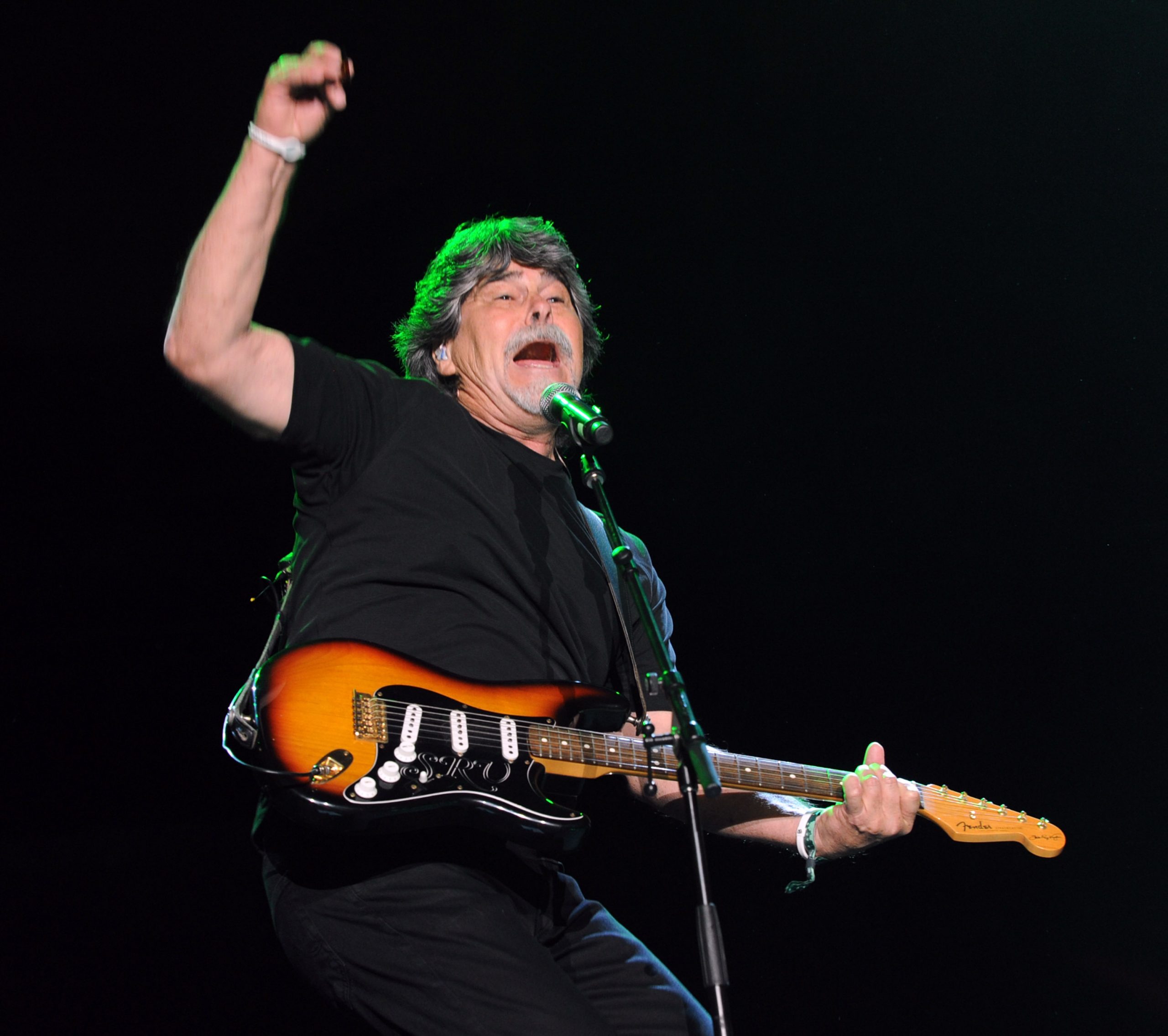
When country music history is written, few acts occupy as towering a pedestal as the band Alabama. At the very center of that musical phenomenon is frontman Randy Owen. With his distinct vocals, relatable songwriting, and undeniable stage presence, Owen guided the group from humble beginnings in Fort Payne, Alabama, to becoming the most successful country band of all time. Naturally, fans and aspiring musicians often wonder about the financial rewards of such an iconic career. **The Net Worth Ride—Randy Owen’s Rise to Celebrity Riches!** is a testament to decades of hard work, chart-topping hits, and shrewd business acumen.
Today, Randy Owen’s estimated net worth sits comfortably in the multi-million dollar range, typically cited between $50 million and $60 million. But this impressive fortune didn't happen overnight. It was forged through relentless touring, record-breaking album sales, songwriting royalties, and smart real estate holdings.
Humble Beginnings in Fort Payne
Before the multi-platinum albums and CMA Awards, Randy Owen grew up picking cotton on a farm in Fort Payne, Alabama. Life was physically demanding and financially modest, instilling in him a strong work ethic that would later define his professional career. Music provided an escape and a passion. Alongside his cousins Teddy Gentry and Jeff Cook, Owen began playing music together while still teenagers.
The trio eventually formed the band Alabama (originally called Wildcountry) in 1969. For years, they paid their dues playing in rough-and-tumble Southern bars, refining their signature harmony-driven sound. That foundational struggle taught Owen the value of every dollar and prepared him for the intense demands of the music industry.
The Golden Era of the Band Alabama
The turning point for Owen and his bandmates came in the late 1970s and early 1980s when they caught the attention of major label executives. Nashville executives initially balked at the idea of a self-contained band playing their own instruments—a rarity in country music at the time—but the audience response was undeniable.
Once signed to RCA Records, Alabama exploded onto the national stage. Their commercial achievements reshaped the genre:
Video: Randy Owen Lived A Secret Life For 30 Years, And No One Knew—Until Now

- Scored over 30 number-one single hits on the Billboard Hot Country Songs chart.
- Sold upwards of 75 million records worldwide, making them one of the best-selling bands of all time.
- Won numerous Entertainer of the Year awards from both the Academy of Country Music (ACM) and the Country Music Association (CMA).
- Pioneered stadium-level touring for country artists, drawing massive crowds previously reserved for rock acts.
As the primary lead singer and co-writer of many of the band's biggest anthems—such as "Mountain Music," "Dixieland Delight," and "Roll On (Eighteen Wheeler)"—Owen commanded significant performance and songwriting royalties. This steady stream of publishing revenue formed the bedrock of his long-term wealth.
Solo Career and Business Ventures
When the original run of Alabama slowed down in the late 2000s, Randy Owen did not fade into retirement. Instead, he diversified his portfolio and pursued creative avenues:
- Solo Music: In 2008, Owen released his debut solo album, *One on One*, which featured the Billboard-charting single "Bells of Fort Payne."
- Songwriting: Beyond performing, his catalog of compositions continues to generate passive income as classic country radio stations and streaming platforms play Alabama hits millions of times a year.
- Farming and Real Estate: Staying true to his roots, Owen invested heavily in cattle farming and land ownership in Alabama. These tangible assets provide both personal fulfillment and solid financial appreciation.
By blending traditional agricultural investments with entertainment royalties, Owen insulated his wealth from the volatile nature of the modern music business.
Philanthropy and Giving Back
A significant part of Randy Owen’s legacy is his commitment to charitable giving. Rather than hoarding his celebrity riches, he has consistently used his platform to help others. Most notably, Owen has been a tireless champion for St. Jude Children’s Research Hospital, helping raise hundreds of millions of dollars through the Country Cares for St. Jude Kids radiothon program, which he co-founded.
His philanthropic efforts demonstrate a wealth that extends far beyond monetary figures, cementing his reputation as a beloved cultural icon who never forgot where he came from.
Conclusion
The financial success of Randy Owen is a classic American success story. From picking cotton in rural Alabama to selling tens of millions of records and accumulating an estimated net worth of $50-$60 million, his journey proves that talent combined with relentless persistence pays off. Through timeless music, smart investments, and a grounded lifestyle, Randy Owen navigated the music industry with grace, securing a lasting financial and cultural legacy.