Recovery Pictionary: Fun Icebreaker Ideas for Addiction Rehab
What Is Recovery Pictionary?
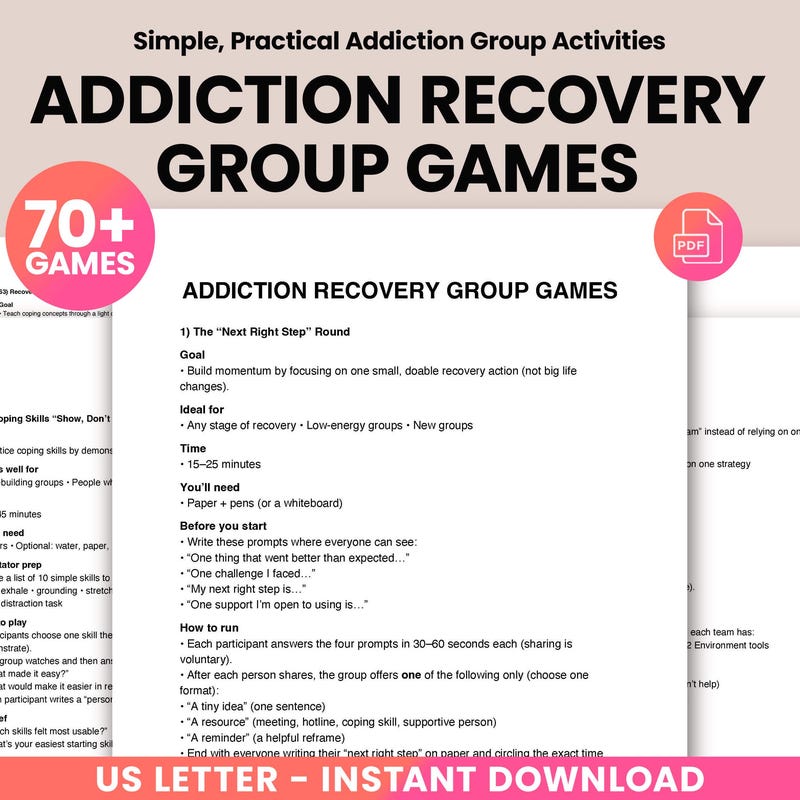
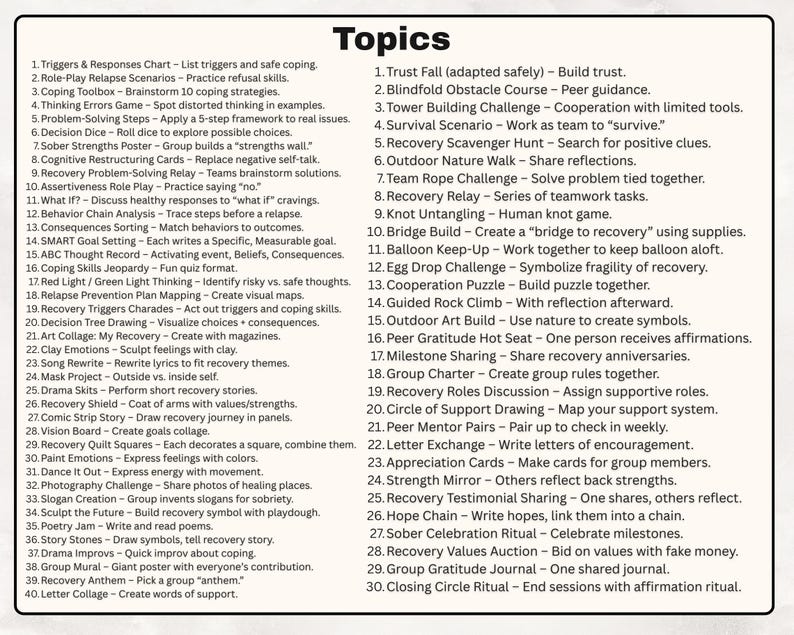
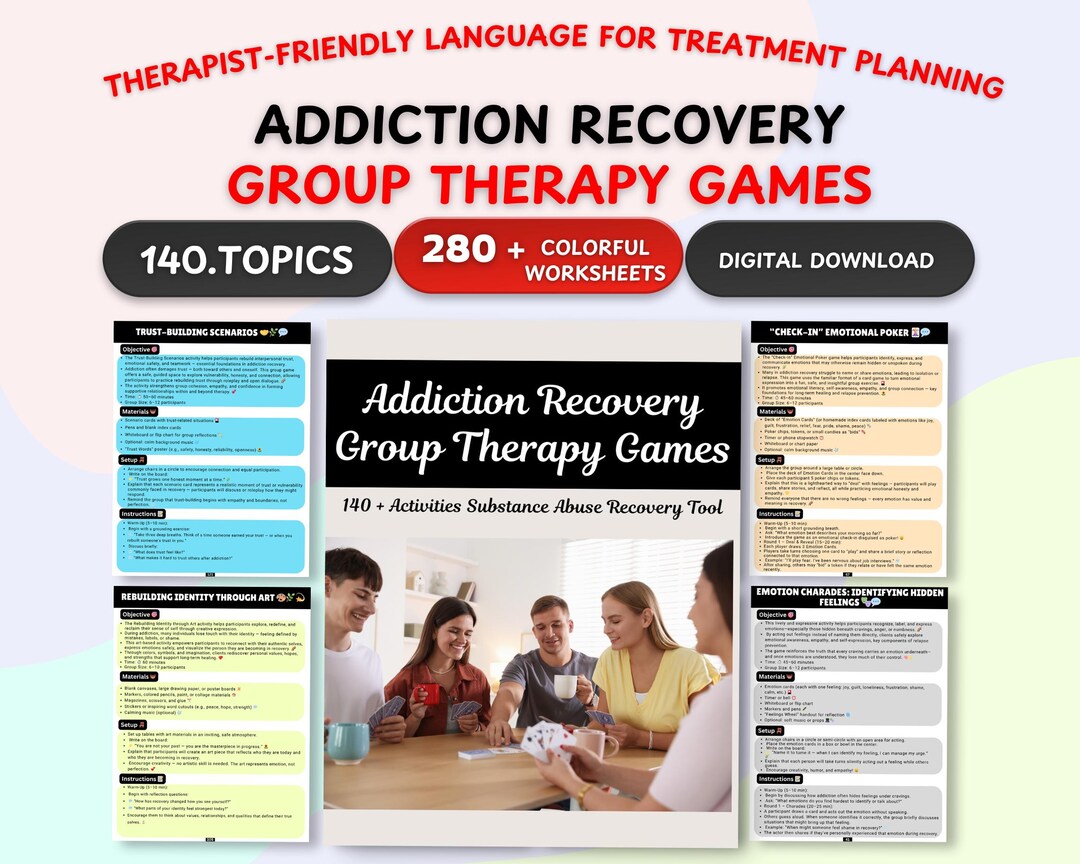
In the world of addiction treatment and sober living communities, finding engaging group activities can be challenging. Traditional talk therapy is essential, but experiential therapies and icebreakers play a critical role in healing. Enter recovery pictionary, a creative adaptation of the classic drawing board game tailored specifically for individuals navigating substance use disorder recovery.
Instead of drawing generic pop culture items or everyday objects, participants sketch concepts related to healing, personal growth, emotions, and the sober journey. This activity breaks down social barriers, encourages laughter, and provides a safe space for peers to connect over shared experiences without the pressure of heavy verbal processing.
Why Creativity Matters in Addiction Treatment
Art and experiential therapies are widely recognized in modern psychology. For individuals in early recovery, talking about complex emotions like shame, resilience, triggers, or hope can feel intimidating. Creative outlets bypass the analytical parts of the brain that build defenses, allowing participants to express themselves more naturally.
When adapted into a group setting like a rehab center, intensive outpatient program (IOP), or sober living house, drawing-based games offer several distinct psychological benefits:
- Lowers Anxiety: Structured games take the spotlight off the individual, reducing social anxiety for newly admitted peers.
- Builds Trust: Laughing together at abstract drawings or misunderstood sketches helps build immediate camaraderie.
- Encourages Mindfulness: Focusing on sketching requires present-moment awareness, acting as a mild form of grounding.
- Enhances Non-Verbal Communication: Many people in recovery struggle to verbalize internal states; visual cues bridge that gap.
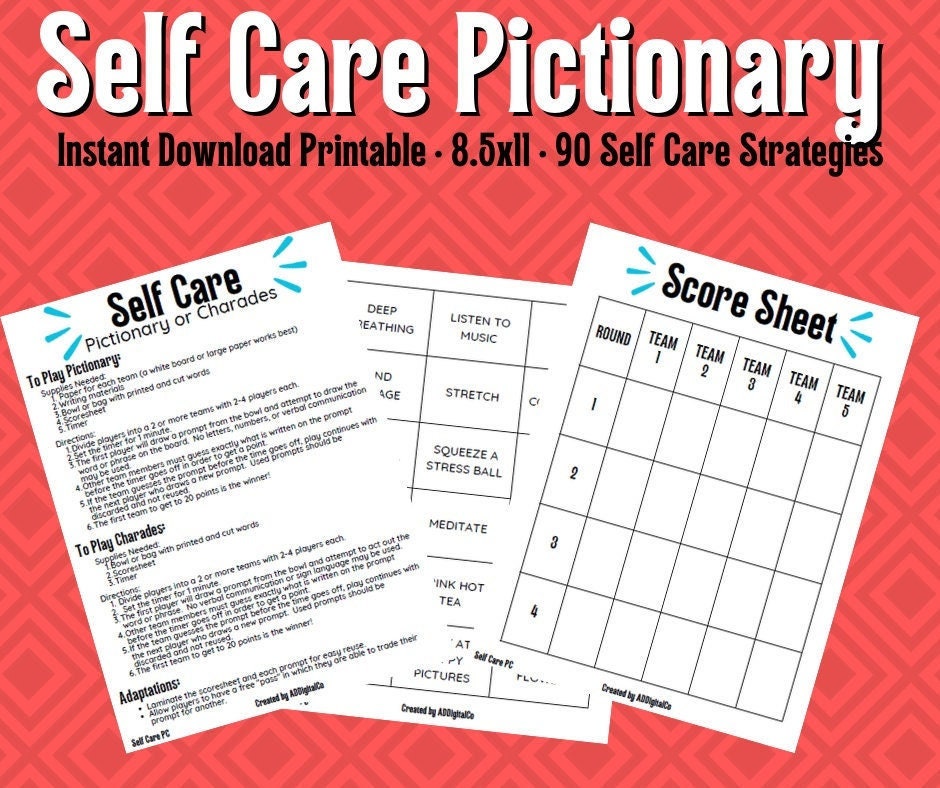
- Divide the group into two or more teams, depending on total participants.
- One player draws a slip of paper containing a recovery-themed prompt.
- The player has 60 to 90 seconds to draw the concept on a whiteboard or large pad of paper without using letters, numbers, or spoken words.
- Their team guesses the word or phrase. If correct, they earn a point. If time runs out, the opposing team gets one chance to steal.
- Rotate drawers until everyone has had a turn.
- Coffee mug (a staple of any recovery meeting)
- Sponsorship
- Meeting schedule
- Big Book
- Meditation cushion
- Sober birthday cake
- Hiking trail
- Deep breath
- Anxiety wave
- Gratitude journal
- Setting boundaries
- Asking for help
- Patience
- Forgiveness
- Breaking a cycle
- Lighthouse in a storm
- Unfolding lotus flower
- Rebuilding a foundation
- Walking in the light
- Heavy baggage being dropped
- A fresh canvas
- Keep It Light: Remind participants that artistic skill does not matter. In fact, poorly drawn sketches often yield the best laughs and keep the atmosphere playful.
- Read the Room: If a prompt causes visible discomfort or triggers heavy emotional responses, acknowledge it gently and pivot to a lighter topic.
- Debrief Afterwards: Spend the last 10 minutes of the session discussing the prompts. Ask questions like, 'What was it like trying to draw patience?' or 'How does setting boundaries feel in your daily life?'
- Ensure Inclusivity: Make sure everyone who wants to participate feels included, but never force someone who is feeling socially fatigued to draw or guess.
How to Play Recovery Pictionary
Setting up a session is simple and requires very few materials—typically just a whiteboard, markers, and pre-written prompt slips. You can structure the game to fit your group's specific stage of recovery and emotional readiness.
Basic Game Rules
Tailoring Prompts for Different Stages of Healing
The key to a successful game is curating a list of prompts that match the group's dynamic. You want prompts that are thought-provoking and relevant, but not overly triggering or distressing. Here are some categorized ideas you can write on index cards:

Level 1: Lighthearted & Everyday Sober Life
Great for newer groups or as a warm-up round to build energy and ensure quick wins.
Level 2: Emotional States & Coping Skills
These prompts encourage participants to think about internal experiences and healthy responses to stress.
Level 3: Deep Metaphors & Growth
Best for close-knit groups who have been together for weeks and trust one another deeply.
Tips for Facilitators and Group Leaders
If you are leading a group therapy session, peer support circle, or sober living house meeting, keep these best practices in mind to ensure a positive environment:
Integrating Fun Into the Healing Process
Recovery is serious work, but sustaining long-term sobriety also requires joy, connection, and play. Isolation is one of the greatest threats to early recovery, and structured activities actively combat that loneliness by fostering a sense of belonging.
By introducing interactive group activities like recovery pictionary into treatment centers or alumni groups, facilitators help bridge the gap between clinical healing and community connection. It proves that a sober life is not only manageable and grounded, but vibrant, creative, and full of genuine laughter.