Revisiting Queen Charlotte Ethnic Heritage
Revisiting Queen Charlotte Ethnic Heritage: Fact vs. Fiction

In recent years, pop culture phenomena like Netflix’s Bridgerton have thrust historical figures back into the public eye. Among them is Queen Charlotte, wife of King George III, whose portrayal by Birgitte Hjort Sørensen and India Amarteifio sparked global curiosity. At the heart of this renewed interest is a compelling question: What is the truth behind the persistent claims regarding Revisiting Queen Charlotte Ethnic Heritage?
For decades, historians, genealogists, and casual history buffs have debated whether the 18th-century British queen had Black or mixed-race ancestry. To separate modern myth from historical reality, we must examine the primary sources, royal lineage, and the cultural contexts that shape our understanding of race in the Georgian era.
The Origins of the Theory: Who Was Queen Charlotte?
Born Princess Charlotte of Mecklenburg-Strelitz in 1744, she was a German noblewoman before marrying King George III in 1761. She ruled alongside him for nearly six decades, giving birth to 15 children and becoming a prominent patron of the arts.
The theory of her African ancestry gained mainstream traction in the late 1990s, largely thanks to historian Mario de Valdes y Cocom. He posited that Queen Charlotte was directly descended from a black branch of the Portuguese royal family, specifically Madalena de Souza, a 15th-century Moorish-Portuguese woman connected to King Alfonso III.
The Ancestral Lineage
To understand the argument for Queen Charlotte's diverse ethnic heritage, researchers trace her lineage back multiple generations through the House of Mecklenburg:
- King Alfonso III of Portugal: 13th-century monarch whose relationship with Madalena is often cited by proponents of the theory.
- Moorish Ancestry: The inclusion of North African or Iberian-Moorish heritage in the distant maternal line.
- Generation Gap: Critics point out that over nine generations separate Charlotte from these purported ancestors, involving hundreds of other individuals.
Examining the Historical Evidence
Video: The life of the real QUEEN CHARLOTTE of Mecklenburg-Strelitz | Who was married to George III?

Historians have extensively scrutinized the claims made by Mario de Valdes y Cocom. While the genealogical link to the Portuguese royal family is mathematically possible due to the sprawling nature of European royalty, contemporary interpretations of race make the application of modern racial categories complicated.
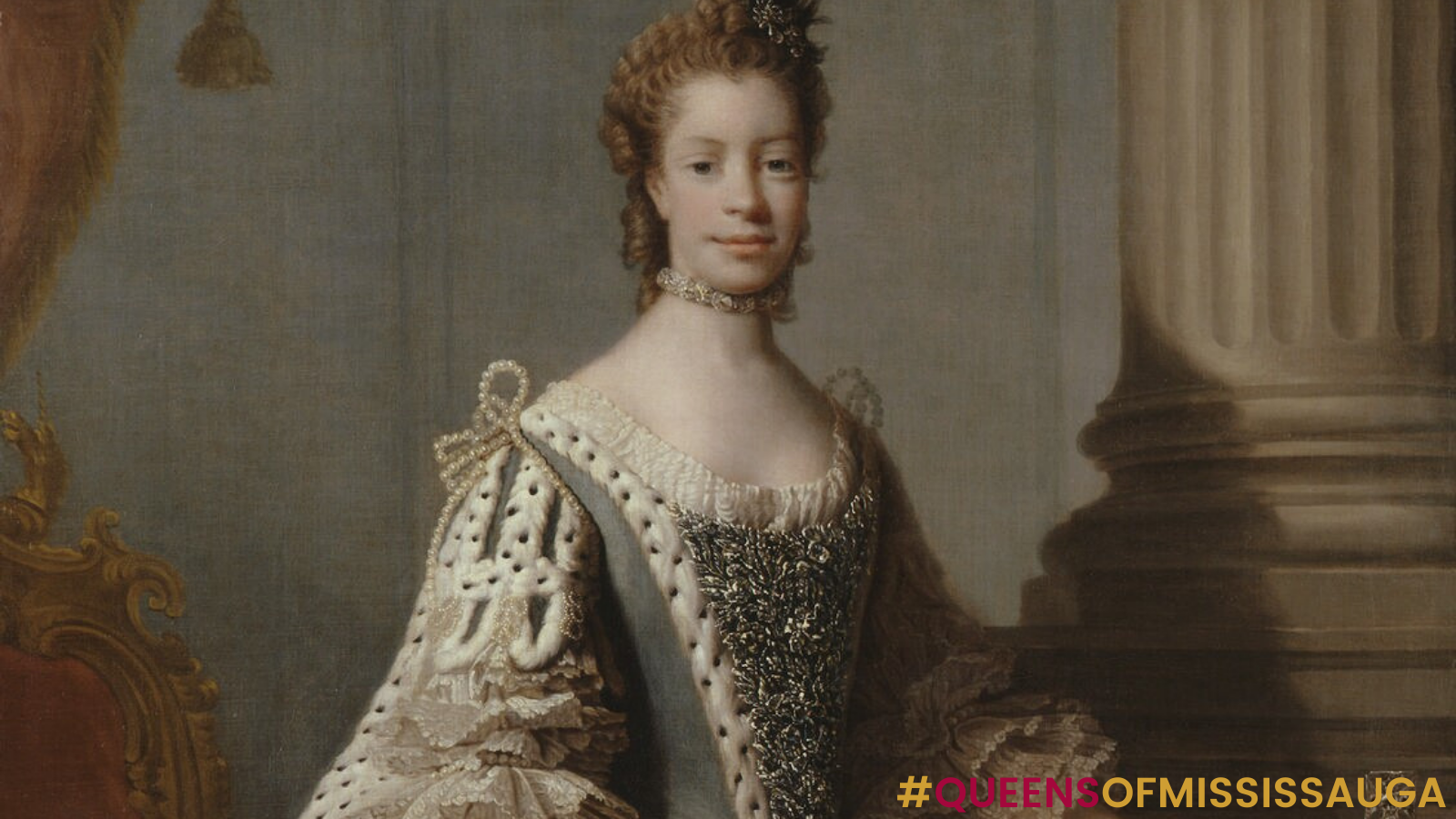
Portraits of Queen Charlotte painted during her lifetime—notably by master artists like Sir Thomas Lawrence and Allan Ramsay—depict her with Caucasian features. However, 18th-century portraiture conventions often idealized subjects, and court painters faced pressure to conform to European beauty standards of the era.
Furthermore, contemporaries of Queen Charlotte did leave written descriptions. Baron Christian Friedrich von Stockmar and other diarists occasionally noted her distinct physical appearance, sometimes using descriptors that later commentators interpreted through a modern racial lens. Yet, historians emphasize that 18th-century racial classifications differed vastly from our own, and terms like "Moorish" or "dark complexioned" did not carry the same sociopolitical weight then as they do today.
How Public Perception Shifted
The conversation surrounding Queen Charlotte's ethnic heritage evolved from academic circles into mainstream popular culture primarily due to changing media landscapes. Audiences today increasingly demand diverse representation in historical dramas. Bridgerton utilized this historical ambiguity not as a strict documentary, but as a creative springboard for an alternate-history Regency era where racial integration transformed the British aristocracy.
This artistic choice ignited important conversations. Even if historians remain divided on whether Charlotte identified as or was perceived as a person of color in her own time, the dialogue opens doors to exploring the hidden or underrepresented diverse figures who did exist in Georgian Britain.
Conclusion: The Legacy of Queen Charlotte
Ultimately, revisiting Queen Charlotte's ethnic heritage reveals as much about modern society's relationship with history as it does about the 18th-century queen herself. While direct genealogical proof of Black ancestry remains heavily debated and largely inconclusive among mainstream historians, the discussion challenges traditional, Eurocentric narratives of the British monarchy.
Whether viewed as a traditional German princess or a monarch with complex, multicultural ancestral roots, Queen Charlotte remains a pivotal figure. Her legacy endures not just through her royal descendants, but through the modern debates that continue to reshape how we view the history of the British crown.