Rhode Island Low Tide Guide: Times, Beaches & Tips
Understanding Rhode Island Low Tide Patterns

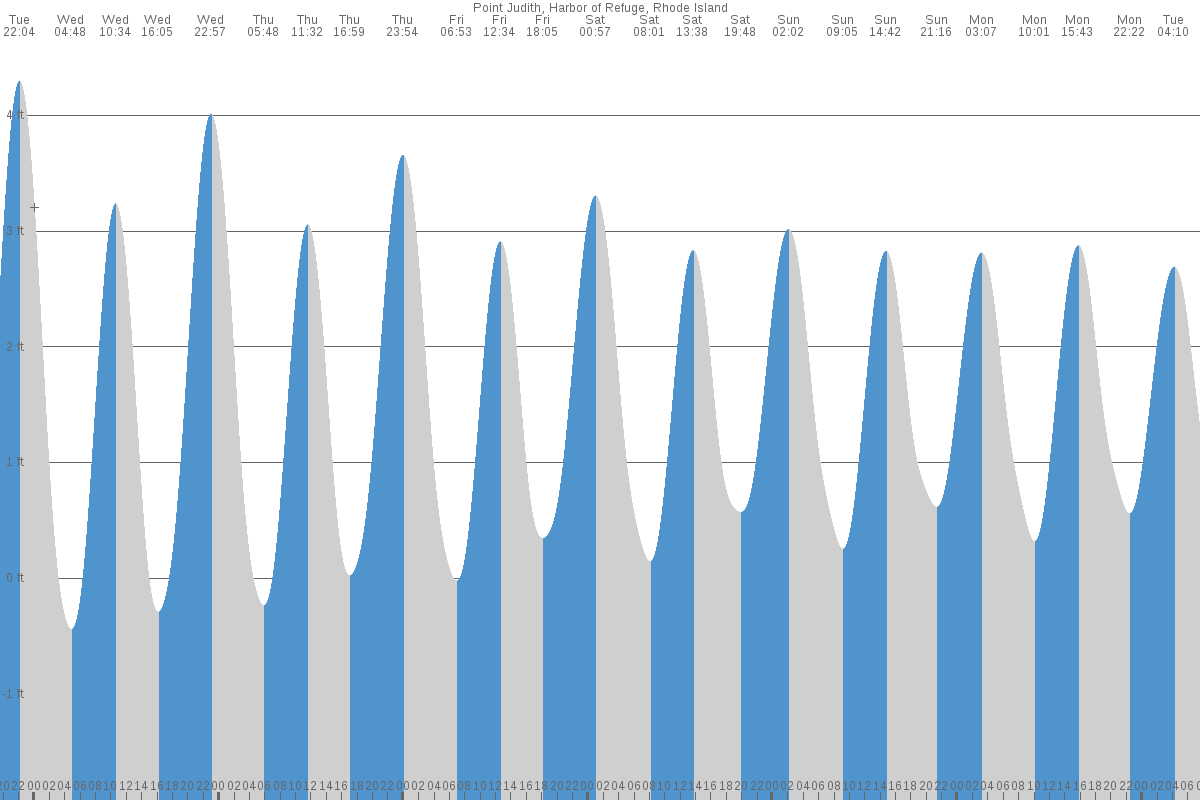
Rhode Island features over 400 miles of diverse coastline, from rocky headwaters in Narragansett to sweeping sandy stretches in Westerly. Because of this varied geography, understanding ocean cycles is essential for anyone spending time on the shore. A typical coastal cycle in the Ocean State experiences two high tides and two low tides roughly every 24 hours and 50 minutes. Knowing when the water recedes opens up unique recreational opportunities that simply aren't available when the ocean is at its peak.
When planning a trip to the beach, checking a reliable Rhode Island low tide schedule is the first step. Tidal windows shift forward by about 50 minutes each day, meaning you cannot rely on visiting the shore at the exact same hour daily. Local harbor masters, marine weather apps, and NOAA tide stations provide precise daily forecasts for key areas like Block Island, Newport, and Providence.
Best Activities During RI Low Tide
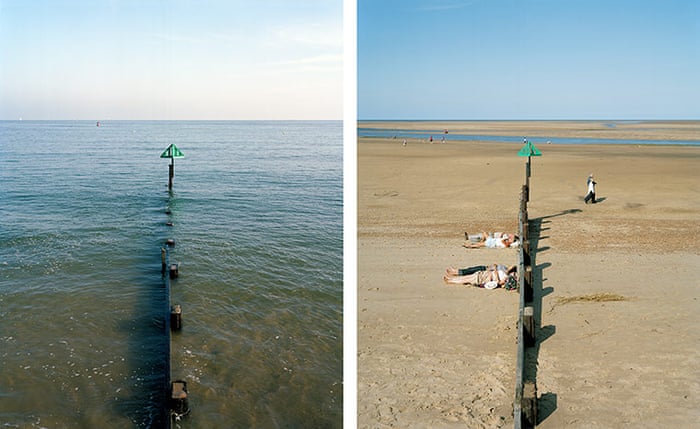
Receding waters transform the shoreline, revealing hidden underwater worlds and making certain outdoor activities much easier. Whether you are looking for natural treasures or hoping to hook a striped bass, low water levels provide distinct advantages.
Beachcombing and Shelling
The receding waterline leaves behind exposed sandbars, tidal pools, and rocky outcrops that are usually submerged. This is the prime window for beachcombing. Walk along the damp sand just at the edge of the retreating waves to find sea glass, unique stones, and native Atlantic surf clam shells. Narragansett Town Beach and Misquamicut State Beach offer expansive areas to explore once the water pulls back.
Tide Pooling with Kids
Rocky coastal areas like Beavertail State Park in Jamestown or Brenton Point in Newport are exceptional for tide pooling. As the water recedes, it leaves small pools trapped in rock depressions. These micro-habitats teem with marine life. Look closely to spot:
Video: Low Tide

- Green crabs and hermit crabs scurrying among seaweed.
- Blue mussels clinging tightly to rock surfaces.
- Common sea stars nestled in crevices.
- Small schools of minnows darting through shallow water.
Always remind children to observe marine life gently and return any creatures to their watery homes exactly where they found them.
Surf Fishing and Wading
Anglers frequently use the tide schedule to their advantage. As the water pulls back, it exposes structure such as underwater reefs, drop-offs, and sand bars where baitfish gather. Game fish like striped bass and bluefish patrol these channels to feed on dislodged crabs and small fish. Standing on newly exposed sandbars allows surfcasters to cast their lines further into deeper channels without needing a boat.
Safety Tips for Coastal Exploration
While exploring the shoreline during minimal water levels is generally safe, the ocean commands respect. Conditions can change rapidly, and misjudging the water movement can lead to tricky situations.
- Watch the incoming current: Once the water bottoms out, it begins to rise again. The return flow can happen surprisingly fast, cutting off sandbars or trapping hikers against rocky cliffs. Always keep an eye on the water's edge.
- Wear sturdy footwear: Barnacles, sharp rocks, and wet seaweed make barefoot exploration hazardous. Protective water shoes or sneakers with good traction prevent painful cuts and slips.
- Respect marine habitats: Do not flip heavy rocks or disturb fragile ecosystems permanently. Leave the shoreline as pristine as you found it for the next visitor to enjoy.
Where to Check Accurate Daily Forecasts
Before heading out to explore the coast, consult trusted forecasting tools. The National Oceanic and Atmospheric Administration (NOAA) maintains active tide stations throughout Narragansett Bay and the Atlantic coastline. Local weather websites and dedicated marine apps also provide hourly graphs that help you pinpoint the exact minute the water will reach its lowest point.
By timing your visit right, you can experience the Ocean State's coastline in a completely different light. From discovering hidden sea creatures in rock pools to walking across freshly exposed sandbars, understanding the rhythm of the ocean enhances every coastal adventure.