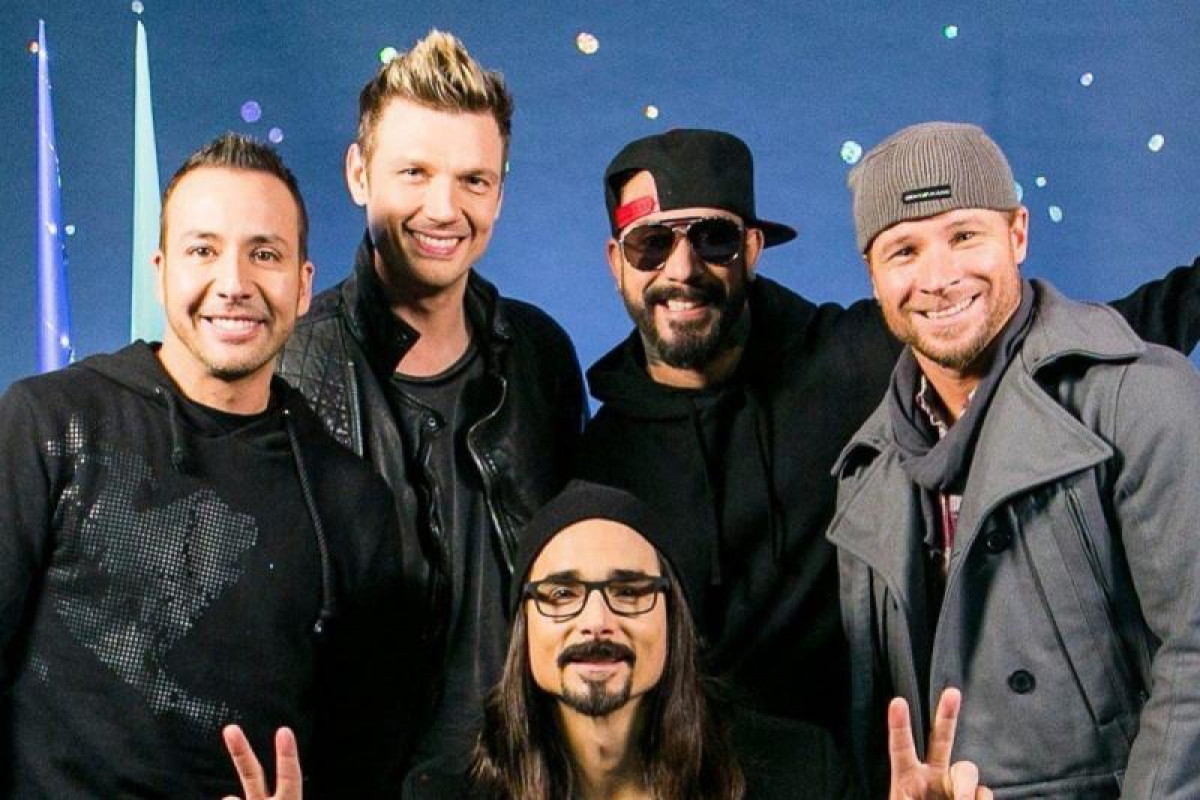
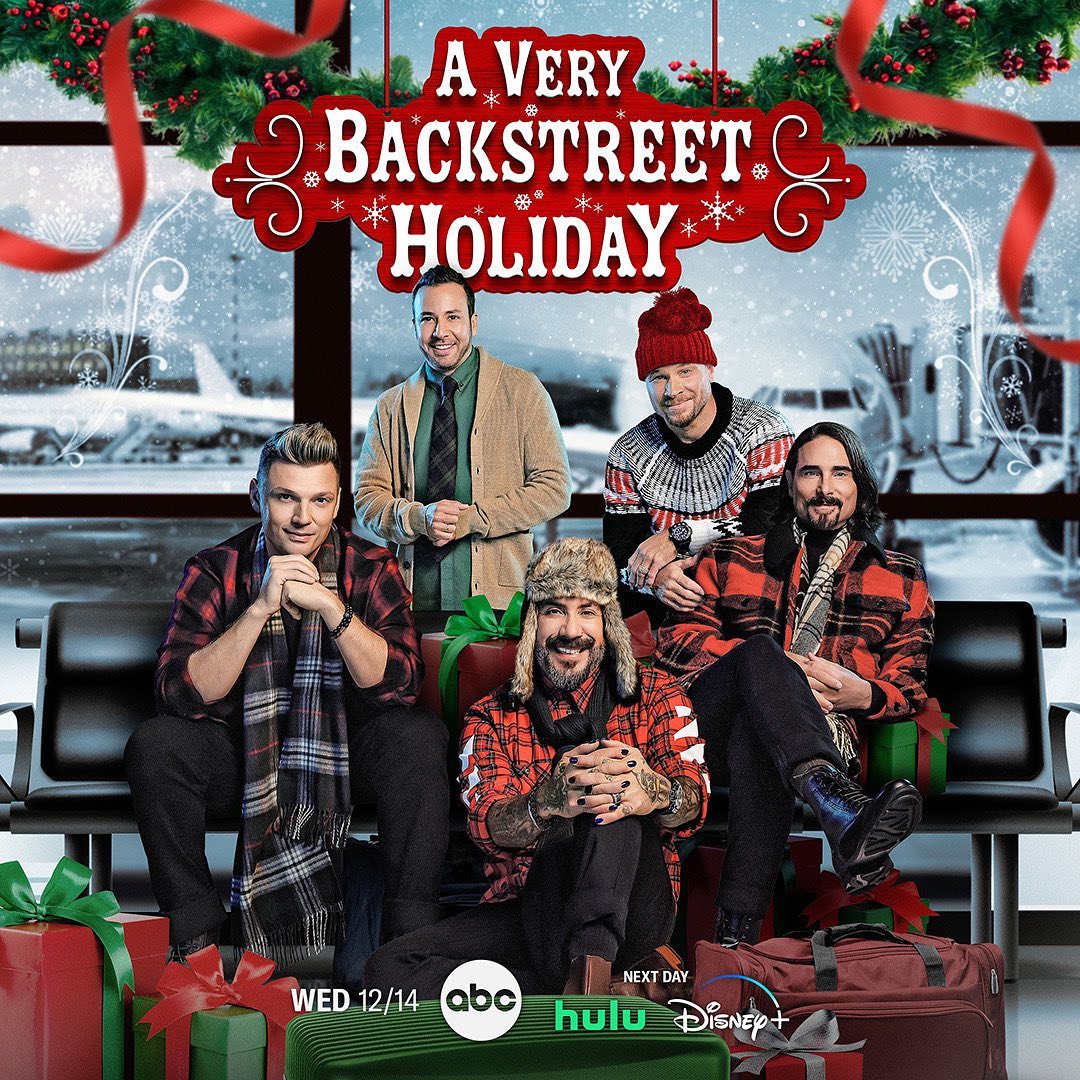
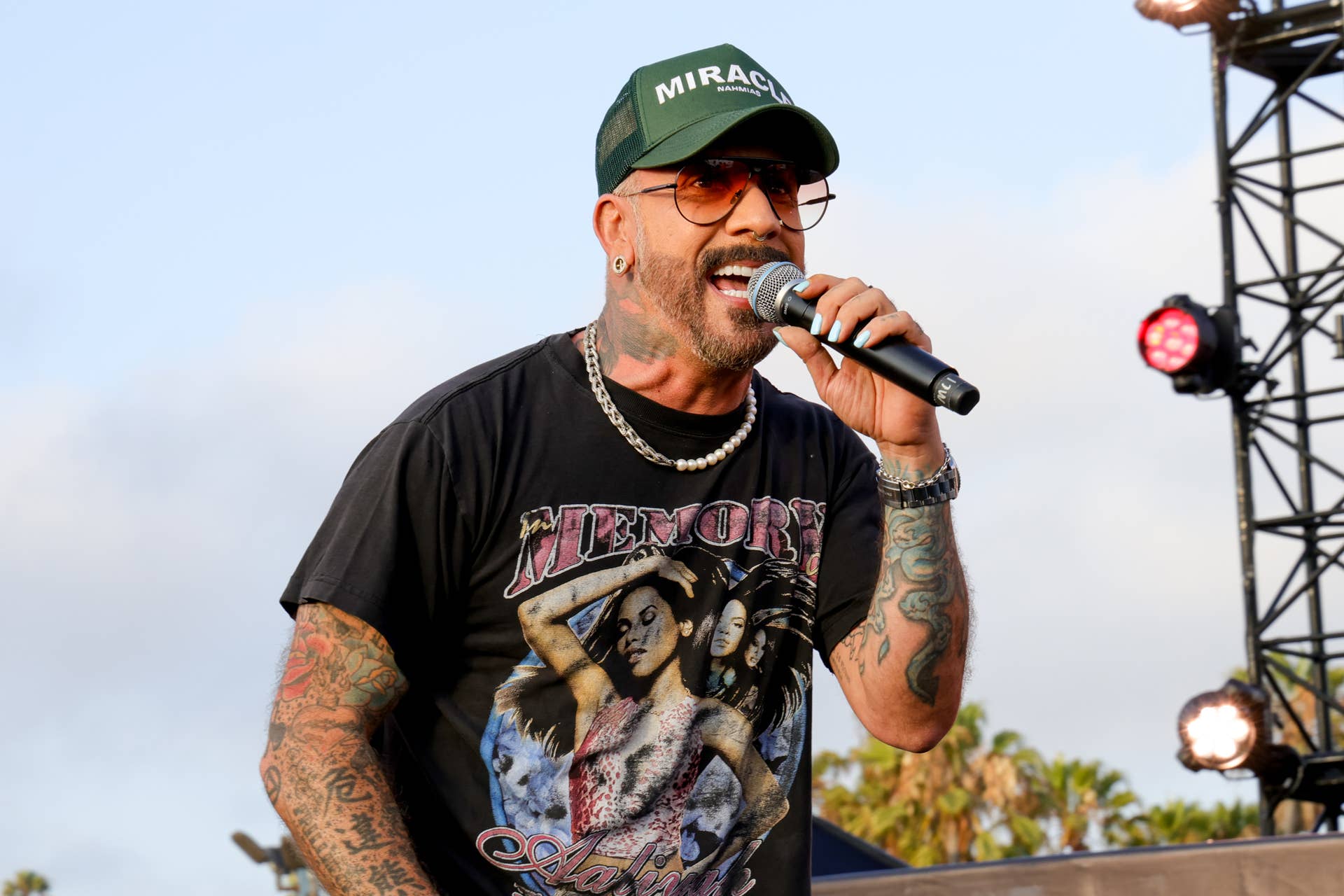
Richest Backstreet Boy Worth More Than Hollywood Stars
When you picture the world's most lucrative entertainment careers, leading film actors typically come to mind. We watch movie stars walk red carpets at Cannes and accept Golden Globes, naturally assuming their bank accounts dwarf those of late-1990s pop icons. Yet here is a shocking fact: the richest Backstreet Boy is worth more than Hollywood stars who currently headline global box-office smashes. Through relentless touring, strategic business equity, and smart real estate plays, the group's top earners have constructed financial empires that put prestigious film salaries to shame.

Who Holds the Crown as the Richest Backstreet Boy?
Determining the wealthiest member of the best-selling boy band in history comes down to a razor-thin margin between two members: Howie Dorough and Brian Littrell. Both have accumulated estimated net worths of roughly $45 million.
While Nick Carter and AJ McLean frequently attracted the most tabloid press over the past three decades, Dorough and Littrell focused heavily on intellectual property, solo projects, and outside commercial enterprises.
Brian Littrell: Music Royalties and Faith-Based Success
Brian Littrell was widely recognized as the vocal anchor of the Backstreet Boys during their peak Millennium era. Beyond his share of group earnings, Littrell earned valuable songwriting credits on several album tracks, securing long-term publishing royalties that pay out every time the catalog is streamed, licensed, or broadcast.
In 2006, Littrell diversified into Christian contemporary music. His debut solo album, Welcome Home, achieved commercial success, entering the Christian album charts at number three and winning multiple GMA Dove Awards. By touring extensively within the lucrative faith-based market, Littrell opened up an entirely separate revenue stream that remains active today.
Howie Dorough: The Real Estate Visionary
Howie Dorough took a distinctly corporate path to build his fortune. Rather than relying solely on the entertainment industry, Dorough founded Sweet D Productions to develop and consult for other musical acts, then poured his earnings directly into real estate.
Alongside his brother, Dorough launched Dorough Brothers Development, a full-scale real estate firm focusing on master-planned residential communities, luxury condominiums, and commercial developments across Florida and Puerto Rico. While music industry revenue fluctuates, Dorough's tangible property portfolio has steadily appreciated over the past twenty years, locking in his $45 million standing.
Shocking Fact: The Richest Backstreet Boy Is Worth More Than Hollywood Stars!
A personal net worth of $45 million may seem modest compared to billionaire tech moguls, but it easily outpaces the financial holdings of today's most in-demand actors. Hollywood salaries have shifted dramatically over the past decade, leaving many household names with surprisingly lower net assets than veteran musicians.
- Pedro Pascal (~$10 Million): Despite headlining hit franchises like The Mandalorian and The Last of Us, Pascal's breakthrough arrived relatively late in his career. His fortune is still catching up to his cultural ubiquity.
- Sydney Sweeney (~$10 Million): One of modern Hollywood's most visible young stars, Sweeney has openly discussed the steep overhead costs of agents, lawyers, publicists, and taxes that keep take-home film pay far below headline numbers.
- Cillian Murphy (~$20 Million): An Oscar winner who starred in Oppenheimer and led six seasons of Peaky Blinders, Murphy holds less than half the estimated fortune of Howie Dorough or Brian Littrell.
- Jeremy Allen White (~$8 Million): The Emmy-winning star of The Bear has swept award seasons, but his accumulated wealth remains a fraction of what '90s boy-band royalty commands.
Even seasoned character actors like Florence Pugh (~$8 million) and Austin Butler (~$5 million) fall well behind. While these actors dominate cultural conversations, their earnings are often tied to project-based wages rather than perpetual residual engines.
Why Music Catalogs Beat Movie Paychecks
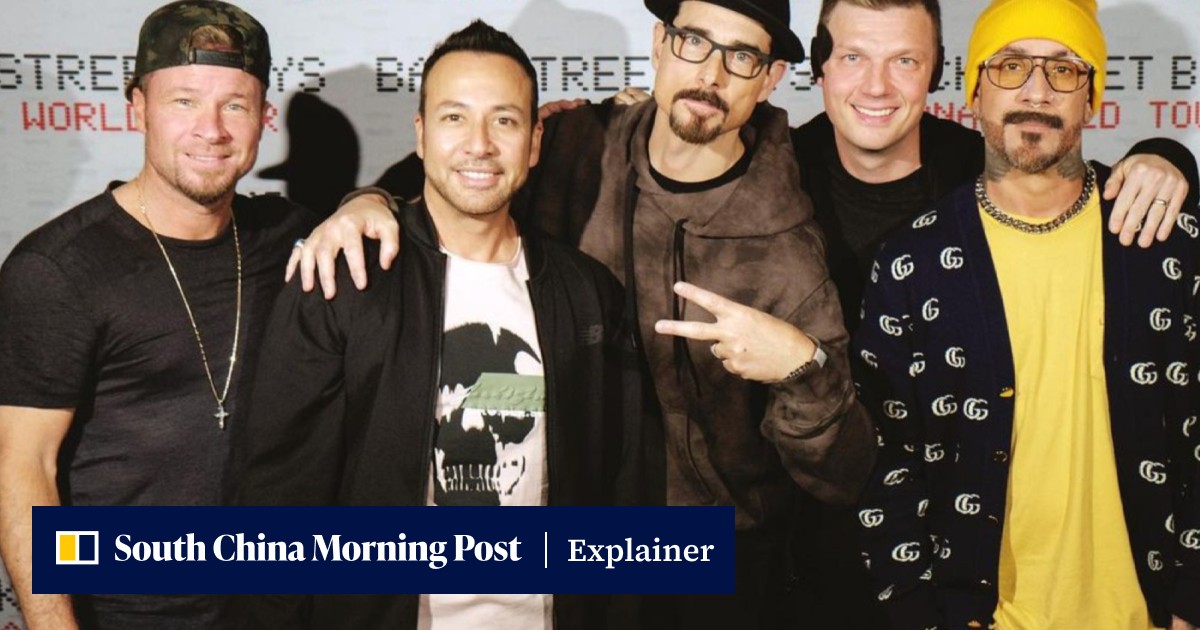
How does a boy-band member who experienced their initial pop peak in 1999 consistently out-earn actors leading modern blockbusters? The answer lies in the fundamental economics of the music industry versus Hollywood filmmaking.
1. The Compounding Power of Catalog Streaming
Film actors typically receive flat upfront fees, occasionally augmented by backend box-office points. Once a film leaves theaters, back-end profits for non-producer talent diminish quickly. In contrast, Backstreet Boys classics like "I Want It That Way" and "Everybody (Backstreet's Back)" generate millions of global streams every week. These tracks license constantly for commercials, films, and sporting events, yielding mailbox money that compounds without additional labor.
2. Live Touring Margins
Live performances generate profit margins that screen actors simply cannot replicate. The Backstreet Boys remain an elite global touring force. Their DNA World Tour, which wrapped in 2023, grossed over $200 million across more than 150 arena dates worldwide. Arena tours provide massive direct ticket sales and merchandise markups that go straight to the performers' balance sheets.
3. Las Vegas Residencies
Between 2017 and 2019, the group performed their "Larger Than Life" residency at Planet Hollywood in Las Vegas. The run grossed over $38 million, breaking records previously set by legacy Vegas acts. Residencies eliminate travel overhead while providing consistent, guaranteed multi-million-dollar paydays across dozens of dates.
How the Rest of the Backstreet Boys Rank
The wealth within the group is remarkably balanced, thanks to equal touring splits negotiated over decades of shared management. Here is how the remaining members rank financially:
- Kevin Richardson (~$40 Million): Beyond music, Richardson modeled for high-fashion houses including Versace, played Billy Flynn in the Broadway production of Chicago, and composed film scores.
- Nick Carter (~$35 Million): The youngest member maintained high visibility through solo records, reality television (House of Carters), and competitive reality shows like Dancing with the Stars.
- AJ McLean (~$30 Million): McLean has explored solo country music, competed on reality programs, launched a nail polish line, and made extensive appearances on television and Broadway.
Smart Financial Lessons from the Millennium Era
The financial longevity of the Backstreet Boys offers clear takeaways on sustainable wealth creation:
Diversify outside the core industry: Howie Dorough did not wait for music royalties to dry up before founding a real estate enterprise. Building tangible equity hedges against changing consumer tastes.
Retain touring ownership: Performing live remains the single most recession-proof asset in entertainment. Artists who control their touring operations retain the vast majority of gross revenue.
Protect the core brand: Unlike groups that splintered permanently, the Backstreet Boys maintained their core lineup for nearly three decades, allowing their live brand equity to appreciate into a multi-generational nostalgia powerhouse.